

Adventuring made easy
Our dedicated travel consultants make adventuring easy for you by taking away all of the admin. Your only jobs are to train for the adventure if necessary and then pack your bags!


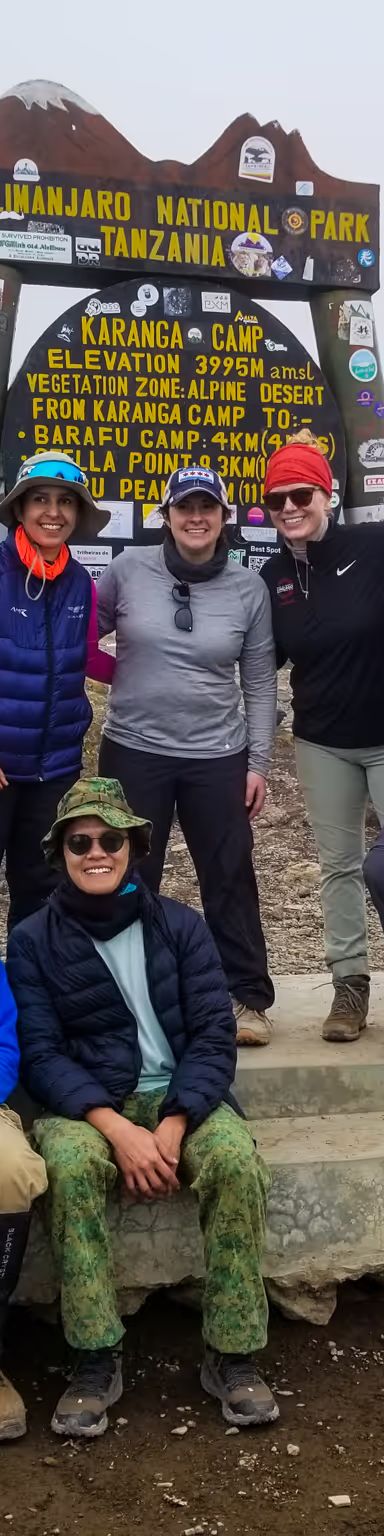
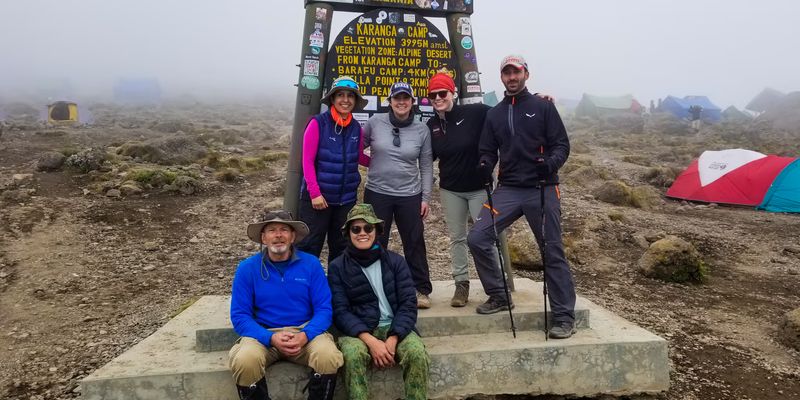





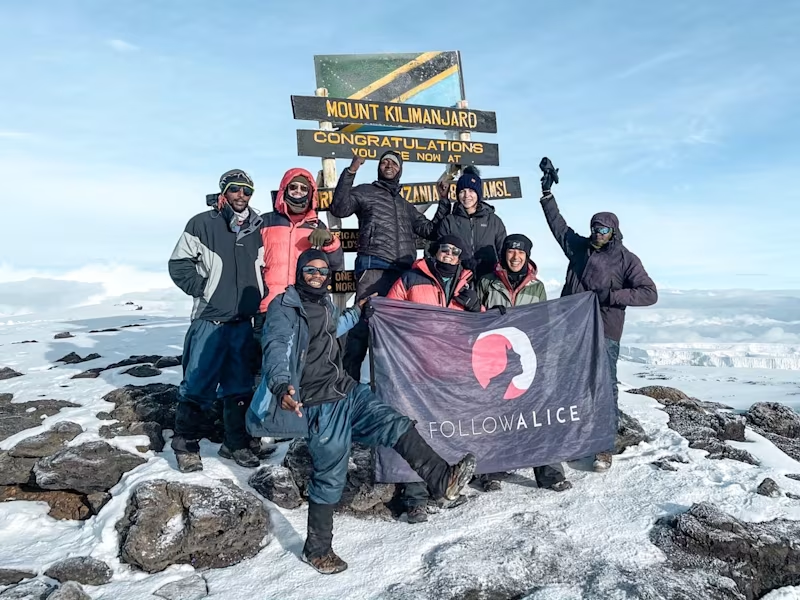
Keen to stand on the roof of Africa? Climb Kilimanjaro with us and make once-in-a-lifetime memories! The four itineraries below are our favourites and the ones we most recommend, as they're all very beautiful and allow you to acclimatise properly – very important for a successful climb!
Book a call with our team, and we'll be happy to answer any questions you have.
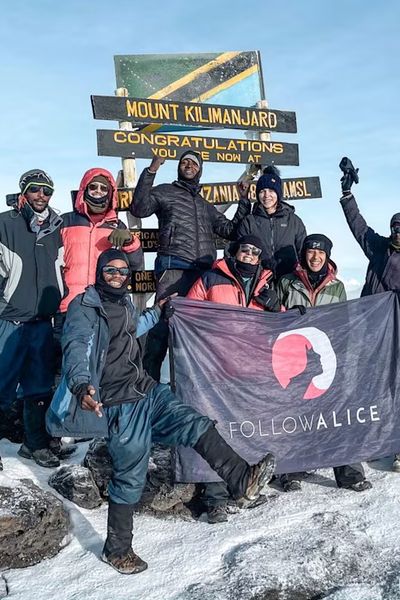
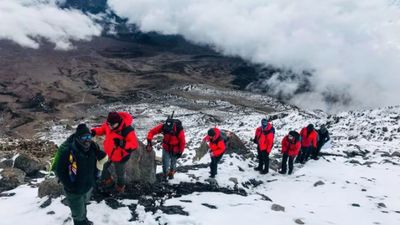
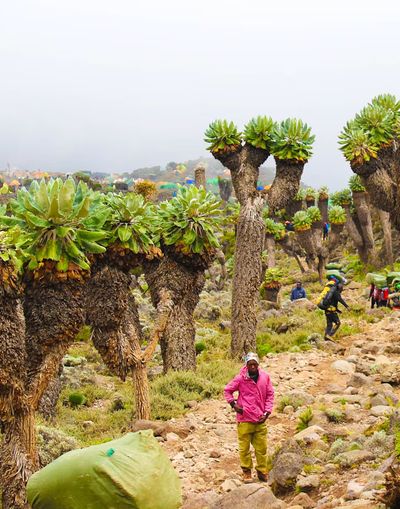
We offer four of the seven routes up Kilimanjaro – the best and safest ones! These routes range from seven to nine days, but our itineraries include a night at a local lodge on either side of the climb.
Here are the basics you need to know about Tanzania to help you prepare for your adventure, like the nearest airport to Mt Kilimanjaro and the local currency. We also discuss the seasons and potential health risks for climbing Africa's tallest mountain!

Swahili, English

Tanzanian shilling (TZS)

The nearest airport and the one all our clients use is Kilimanjaro International Airport (JRO) just outside the city of Arusha. When coming from outside of East Africa, you must usually fly via Nairobi (Kenya) or Dar es Salaam (Tanzania) to catch a connecting flight to JRO.

A standard Tanzanian tourist visa is valid for up to 90 days and costs US$50. US citizens must purchase a multiple-entry visa for $100 that is valid for a year. Note, however, that a visa isn't required for nationals from around 50 countries worldwide, including South Africa, Kenya, Hong Kong, Singapore, China, India, Brazil and Turkey. Learn more here.

It's safe to climb Kilimanjaro when you travel with a reputable tour operator who has your health and safety as their number one priority. The biggest safety issue on a Kilimanjaro climb is the extreme altitude (please read Kilimanjaro altitude sickness so you understand the situation). Note that you must have travel insurance that covers you for hiking up to 6,000 m above sea level to be allowed to climb Kilimanjaro with Follow Alice. A good all-round article to read is Kilimanjaro safety.
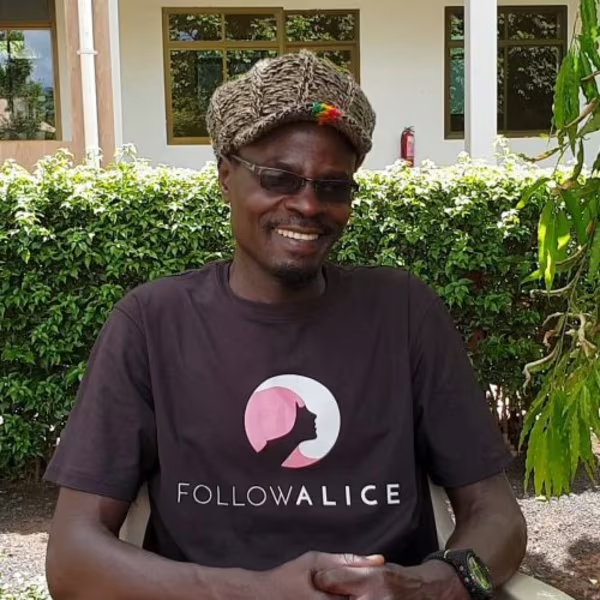
Chris started working on Kilimanjaro in 1999 and has since made it to the summit over 300 times. He's the founding father of Follow Alice Tanzania and loves taking people to the roof of Africa! He's the steady and competent hand you need, but also a great storyteller who adds so much to every trip!
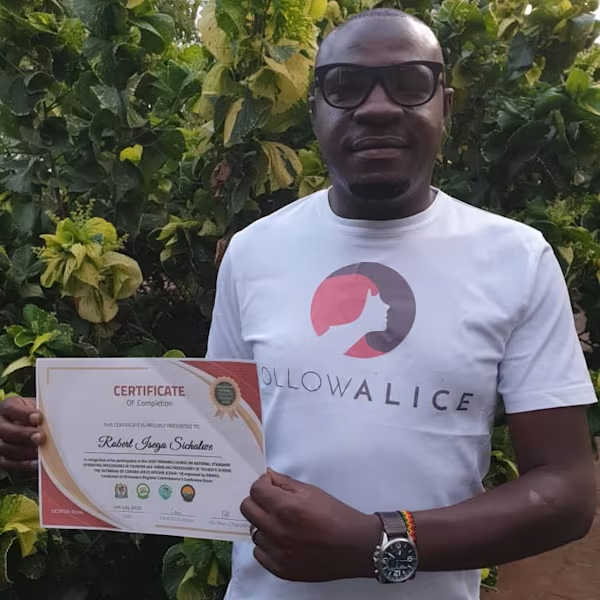
Robert is a highly experienced Kilimanjaro lead trek guide. He's been leading treks with Follow Alice for years, and we know our climbers are in great hands with Robert as the expedition leader. He's also a great guy who will soon become your friend and an integral part of your Kilimanjaro memories!


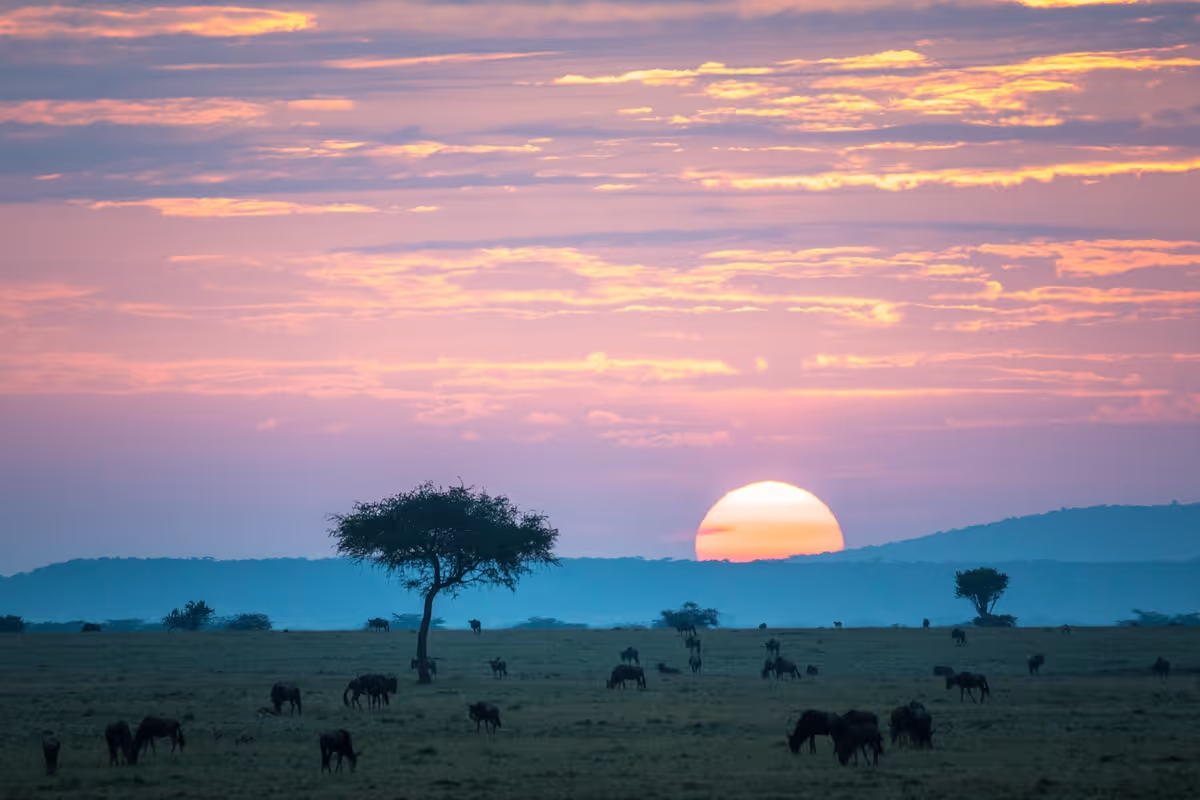
A safari is a popular way to unwind after your Kilimanjaro climb. The Serengeti and Ngorongoro Crater are only a few hours away by car!


We’re one of the only travel companies worldwide with perfect 5* reviews
Our dedicated travel consultants make adventuring easy for you by taking away all of the admin. Your only jobs are to train for the adventure if necessary and then pack your bags!
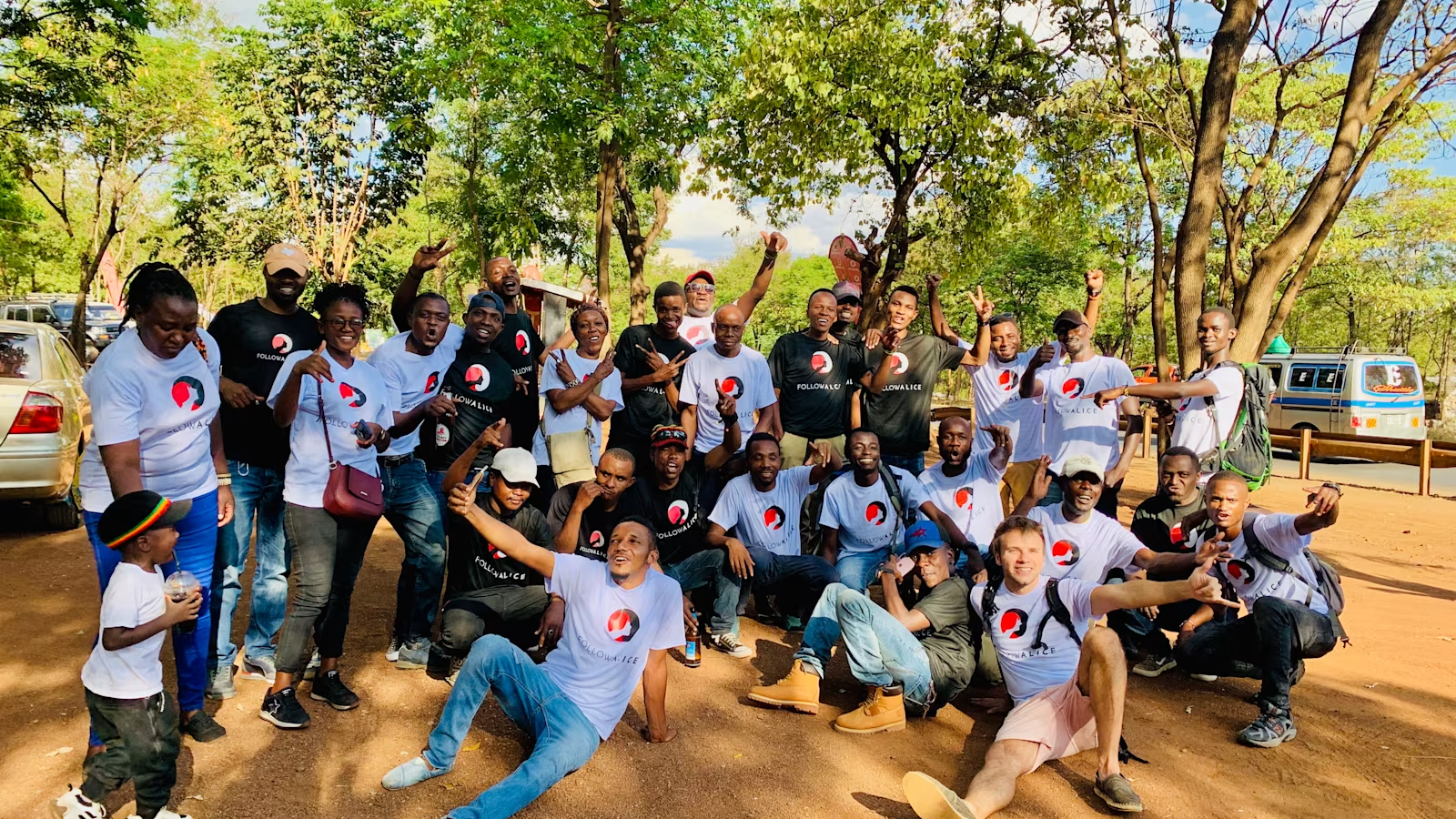
Our local guides look after you in every way. Our goal is to give every traveller the feeling you get when a friend is showing you their country.

On average, over 70% of your trip price stays in the local economy. It's important to us that the visited communities benefit the most since they're the ones hosting travellers.

We have everything you need to know to plan for a successful Kilimanjaro climb, from choosing a route to knowing what to pack and how to train. We also discuss how we keep you safe on the mountain, the costs involved, who makes up a mountain crew, how the tipping ceremony works, and our top advice for you for the climb. Finally, we have stories from past climbers to inspire and motivate you!












Yes, climbing Kilimanjaro is safe, as long as it's done the right way. At Follow Alice, your safety is our top priority. We work with experienced guides, follow strict safety protocols, and build in plenty of time for proper acclimatisation. Our goal is to help you reach the summit confidently and safely, while enjoying the journey every step of the way.
Want to learn more about how we keep you safe on the mountain? Read our article: Kilimanjaro safety – all you need to know

Most trekkers sleep in tented camps on Kilimanjaro, as only the Marangu route offers hut accommodation. The good news is you don’t have to carry or pitch anything yourself; your porters take care of all the camping gear and set everything up for you each day.
Want to know what camp life is like on the mountain? Read more here.
Mount Kilimanjaro can be climbed year-round, but the best months are June to October and December to March. These periods offer the warmest and driest weather. July, August, and September are usually the busiest months on the mountain.
If you want to plan a truly magical experience, consider a full moon climb; it’s stunning! You can learn more in our guide, The Best Time to Climb Kilimanjaro.
Follow Alice Tours (T) LTD is registered in Tanzania and holds all the necessary licences to run Kilimanjaro climbs and safaris.