


Climbing Mount Kilimanjaro is one of the greatest trekking challenges in the world. While it’s a non-technical climb, the high altitude, long trekking days, and demanding terrain make it a serious physical test. Unlike other multi-day treks, you’ll be walking for hours each day in thinning air, often in cold and unpredictable weather. This combination of physical strain and altitude makes preparation key.
Before you lace up your boots, it’s strongly recommended to see your family doctor for a Kilimanjaro medical check-up. A pre-climb consultation ensures you’re fit enough for the journey, aware of the risks, and equipped to handle the mountain environment. Your doctor can review your cardiovascular health, respiratory function, and overall fitness, as well as discuss any pre-existing conditions that might impact your trek. They can also advise on vaccinations, medications for altitude sickness, and general health precautions.
Taking this step not only gives you peace of mind but also helps safeguard your health during one of the most demanding and rewarding adventures of your life.

Young man using trekking poles to hike down the path to Mweka Gate, Kilimanjaro.
Learn more: How to stay healthy when you travel – 13 solid strategies
Why a pre-climb medical check is important
At 5,895 m (19,341 ft), the air is thin on Mount Kilimanjaro, and oxygen levels are about 50 per cent of what you breathe at sea level. This means your body is working much harder than usual, even when you’re just walking slowly uphill. It’s no surprise that over half of trekkers experience at least some symptoms of altitude sickness during the climb.
This is why a pre-climb medical check-up with your doctor is so important. It’s not just about getting a quick sign-off; it’s about making sure your body is ready for what the mountain will put it through.
A thorough medical consultation gives you the chance to:
- Check your overall fitness. Your doctor will look at your heart, lungs, blood pressure, and general stamina. Many trekkers discover hidden issues during the trek, like slightly high blood pressure or mild asthma, that could become more serious at altitude.
- Discuss how altitude affects existing conditions. If you have diabetes, migraines, asthma, or a heart condition, your doctor can explain how these might behave on the mountain and what precautions to take.
- Review your medications. Some medications don’t mix well with altitude. For instance, sedatives and certain painkillers can make breathing at night more difficult in thin air. Your doctor can also check if your prescriptions interact with altitude medicine like acetazolamide (Diamox), which many climbers use to prevent AMS.
- Learn the warning signs. You’ll leave your appointment knowing what symptoms to look out for on the trek, like headaches, nausea, or dizziness and what steps to take if they appear.
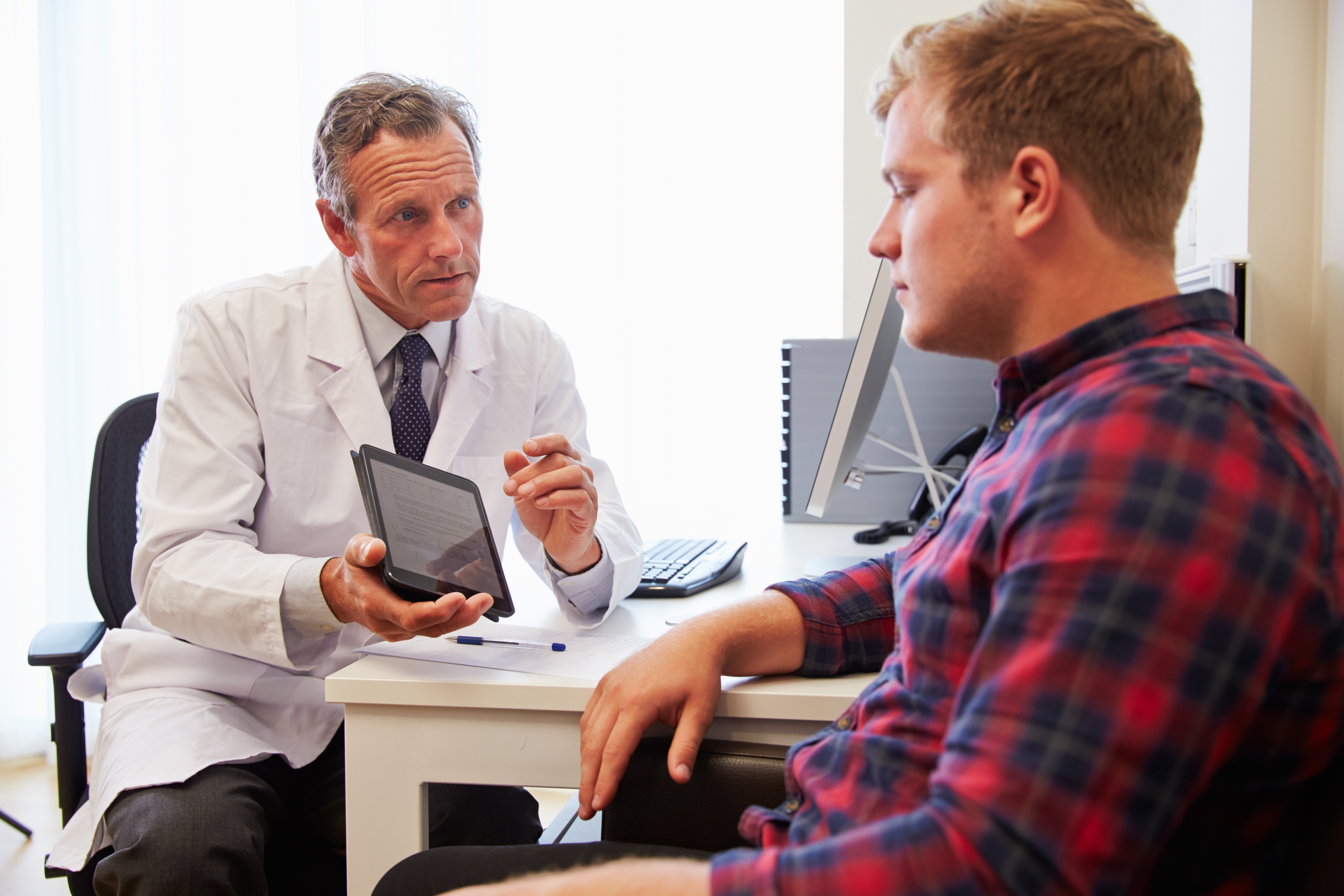
Patient having a Consultation with a doctor.
Learn more: Kilimanjaro altitude sickness – a comprehensive guide
The reality of altitude on Kilimanjaro
Even the fittest climbers feel the impact of altitude. Studies on Kilimanjaro show that 50–75 per cent of trekkers develop some level of Acute Mountain Sickness (AMS), usually from around 3,500–4,700 m. Most cases are mild and manageable with rest and medication, but severe forms, High-Altitude Pulmonary Oedema (HAPE) and High-Altitude Cerebral Oedema (HACE), do occur. These conditions are rare but life-threatening if not treated quickly with descent and oxygen.
The good news? The overall risk is very low. Tourist mortality on Kilimanjaro sits at around 0.02–0.03 per cent, which is significantly safer than many technical mountains. The main difference between those who struggle and those who succeed often comes down to good preparation, a safe route itinerary, and medical readiness.
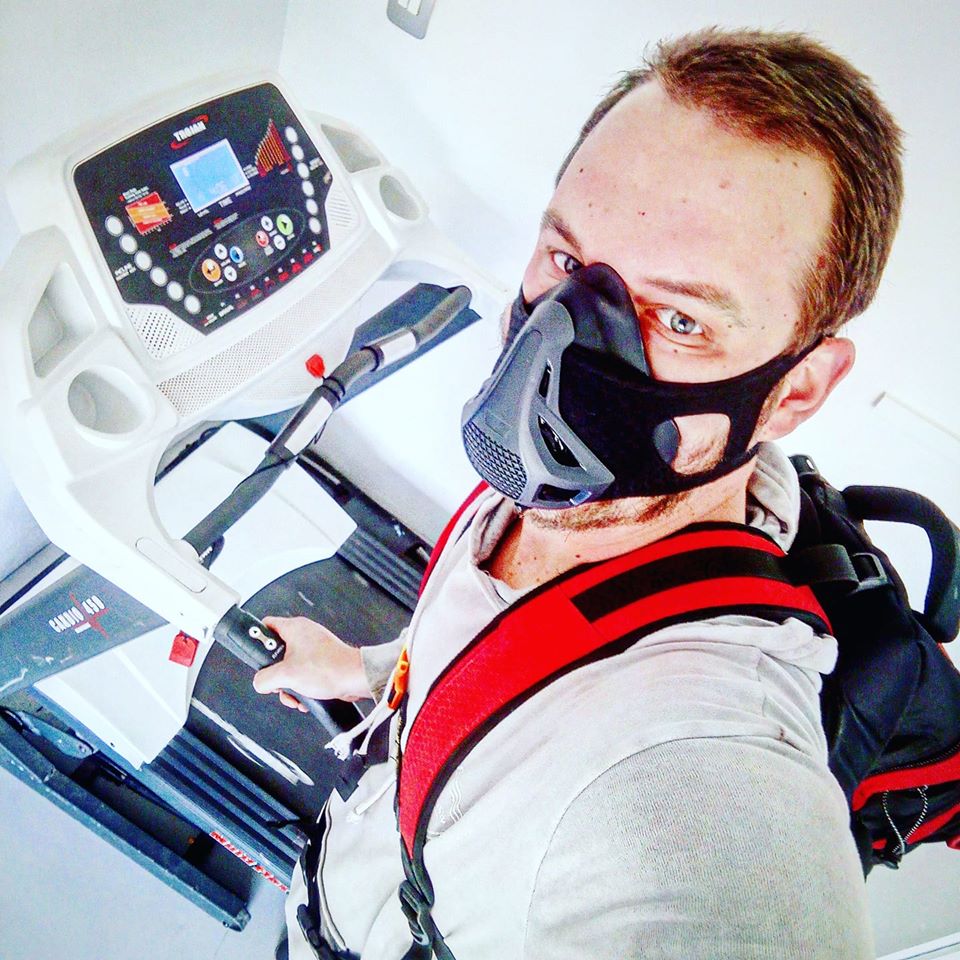
Trekker trains for high altitude.
Learn more: All Kilimanjaro routes ranked in terms of acclimatisation
Why is the pre-climb medical check worth it?
At Follow Alice, we see the difference a proper pre-climb medical check makes. Trekkers who’ve had the all-clear and the right advice feel more confident, adjust better to the altitude, and know how to respond if their body struggles. It’s a small investment of time at home that pays off hugely on the mountain.
Think of it this way: the medical check is your personal mountain safety briefing, tailored to your own body. It ensures you’re not only fit enough to attempt Kilimanjaro but also prepared to enjoy it, and that’s the whole point.
Health preparation for the Kilimanjaro climb
Proper health preparation for a Kilimanjaro climb starts well before you board a plane to Tanzania. During your consultation, tell your doctor you plan to trek for several days at high altitude.
The main areas to cover include:
- Cardiovascular health: Your heart and lungs will work harder in thin air.
- Respiratory health: Asthma or past lung conditions must be reviewed.
- Musculoskeletal fitness: Knee, hip, or back problems can be aggravated by trekking on uneven terrain.
- General fitness: Doctors may advise a training programme to build stamina before your climb.
If you are over 50, have a history of medical conditions, or are unsure about your physical readiness, a doctor’s sign-off is important

An older male hiker is seated on the ground and opening a snack.
Learn more: The beginner's guide to climbing Kilimanjaro
Regular prescriptions and medications
If you take regular medication, it’s important to go through it carefully with your doctor before the climb. High altitude puts your body under unique stress, and some prescriptions can behave differently when oxygen levels are reduced.
Your Kilimanjaro medical check-up should include:
- Reviewing interactions with altitude medicines. If you plan to use acetazolamide (Diamox) for acclimatisation, or need a stand-by steroid such as dexamethasone for emergencies, your doctor will check that these don’t conflict with your existing prescriptions. For example, acetazolamide is a mild diuretic and can interfere with certain blood pressure medicines or diabetes medications.
- Checking antibiotics and emergency drugs. Many trekkers carry a short course of antibiotics for stomach or chest infections, as well as basic pain relief. Your doctor should confirm that these won’t clash with your usual prescriptions and that you know when (and when not) to use them.
- Adjusting doses if necessary. The physical strain of trekking, disrupted eating patterns, dehydration, and altitude-related fluid shifts can all affect how your body processes medication. In some cases, your doctor may recommend dose adjustments or additional monitoring.
- Making a clear medication plan. This includes what to take daily, what to take only if symptoms appear, and what should be used strictly in emergencies. Writing this down avoids confusion on the mountain.
If you are considering Diamox for acclimatisation, you’ll need a prescription. Only a doctor can decide if it’s suitable for you, and they’ll explain how and when to start taking it.
Finally, don’t forget that your mountain guides must be aware of all medications you’re using. This is for your safety: if you become unwell, they need the full picture to make the right decisions quickly.

Kilimanjaro altitude sickness can be dangerous.
Learn more: Kilimanjaro vs Everest Base Camp: which is harder?
Kilimanjaro age restrictions and medical clearance
When it comes to age, Mount Kilimanjaro is surprisingly inclusive.
Minimum age: The official minimum age set by the Tanzania National Parks Authority is 10 years old. Children under this age can only attempt the summit with a rare special permit, which is usually granted in exceptional cases and only when the child has proven trekking experience. Most families choose to wait until children are a little older, both for safety and for the enjoyment of the experience.
No maximum age: There’s no upper age limit. In fact, climbers in their 70s, 80s, and even late 80s have successfully stood on Uhuru Peak. In July 2025, American climber Charlie Winger summited Kilimanjaro at age 88 without supplemental oxygen, and just a few years ago, Anne Lorimor broke records by reaching the top at 89. These stories prove that age alone doesn’t need to be a barrier.
Medical clearance: For anyone under 18 or over 60–65, we strongly recommend and in some cases require a doctor’s clearance before joining a trek. High altitude trekking puts extra strain on the heart, lungs, and circulation. A medical check ensures you’re fit enough for the challenge, your medications are safe to take at altitude, and any existing conditions are under control. For younger climbers, clearance also confirms that they are physically and emotionally ready for such a demanding adventure.
At Follow Alice, we’ve guided climbers across all age groups. The key is preparation: choosing the right route, allowing enough days for acclimatisation, and making sure your health has been signed off by a doctor. With the right planning, Kilimanjaro can be a life-changing journey, no matter your age.
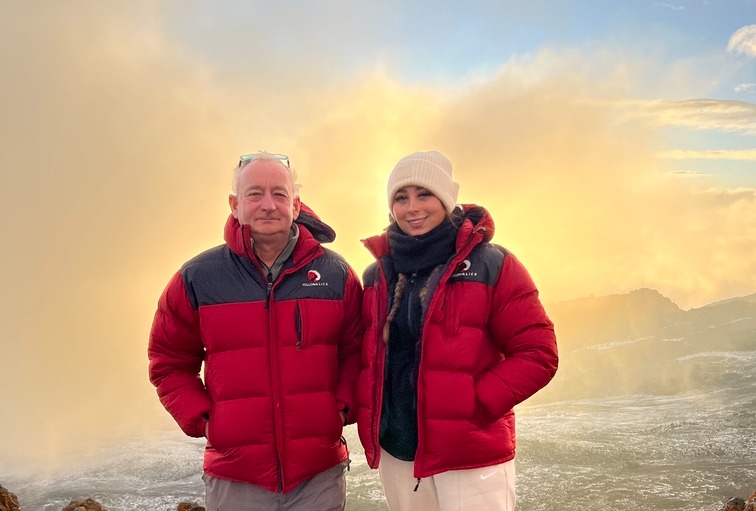
Young woman and older man at Uhuru Peak on Kilimanjaro.
An important note about asthma
If you have asthma, even if it was mild or you haven’t had symptoms in years, it’s important to have a medical review before attempting Kilimanjaro. The mountain environment can act as a powerful trigger: the dry, cold air, dust from the trails, and lower oxygen levels all increase the risk of breathing difficulties. We’ve seen climbers who thought their asthma was “in the past” experience flare-ups once they gained altitude. Your doctor should confirm:
- Your asthma is stable and well-controlled. This means no recent hospital visits, no frequent nighttime symptoms, and no regular need for rescue inhalers.
- Your inhalers are mountain-ready. Preventer inhalers (often steroid-based) and reliever inhalers (like salbutamol) both work at altitude, but you may need to carry spares in case of damage or freezing in cold conditions. Keeping them close to your body helps protect them from extreme temperatures.
- Medication safety at altitude. Some asthma treatments can interact with altitude medications such as acetazolamide (Diamox) or steroids like dexamethasone, which are sometimes prescribed for AMS. A review ensures there are no harmful overlaps.
- An action plan for the trek. This should cover when to use your preventer vs. reliever inhaler, what to do if you have an attack, and when to alert your guide.
Failing to check could put your safety at serious risk on the mountain. Remember, even mild breathing difficulties at sea level can escalate quickly at 5,000+ metres, where oxygen levels are already reduced. Always carry your inhalers in an accessible pocket, not in your pack. Let your guide know your asthma history so they can monitor you closely during the climb.
Learn more: Africa's 10 best mountains for climbers and trekkers
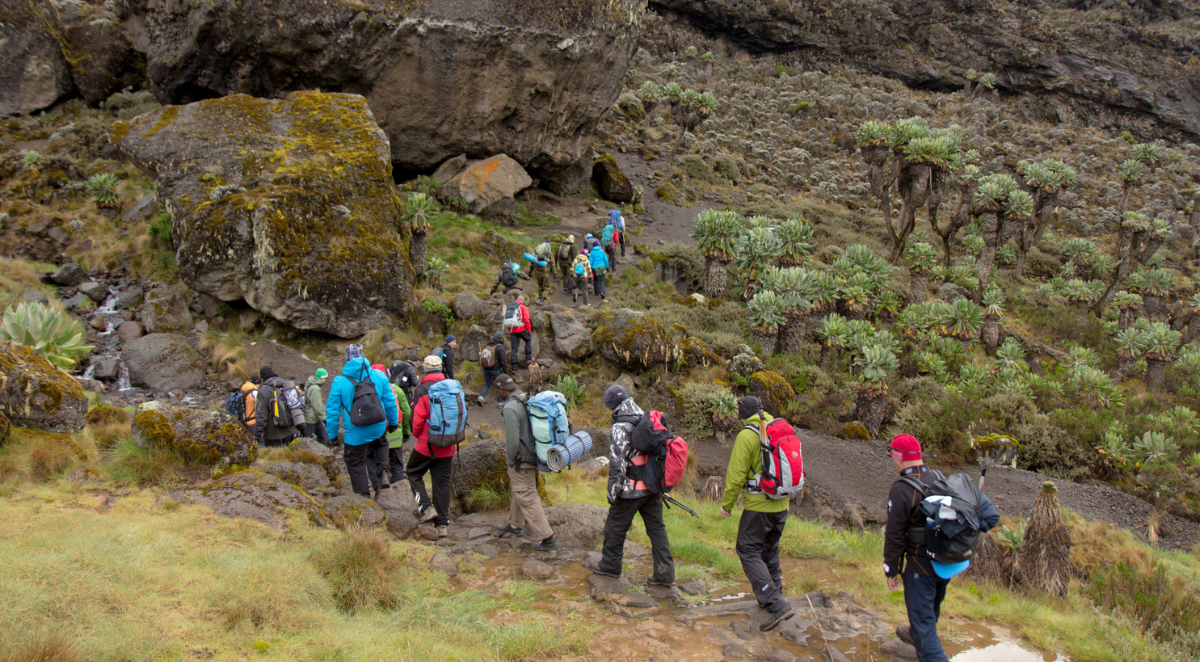
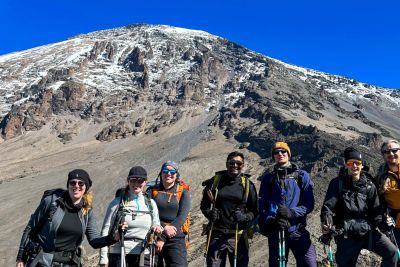
Hikers trekking Kilimanjaro.
When to have your Kilimanjaro medical check
Climbing Kilimanjaro is an extraordinary adventure, one that challenges both your body and mind. The mountain demands respect. A thorough pre-climb medical check isn’t just a formality; it’s a critical step to ensure your health won’t prevent you from reaching the summit.
Following your doctor’s advice, understanding your limits, and preparing properly are the keys to enjoying this life-changing experience safely. It’s best to schedule your pre-climb medical check before booking your Kilimanjaro trek. Doing this early ensures you make an informed decision about your readiness. If your doctor identifies any concerns, you’ll have time to address them. Even if you’re cleared, having several months to prepare gives you the best chance of a safe and successful climb.
With the right preparation, your Kilimanjaro trek can be unforgettable for all the right reasons: the sunrise over Uhuru Peak, the sweeping vistas, and the sense of accomplishment that comes from standing atop Africa’s highest mountain.
At Follow Alice, we guide trekkers of all ages and fitness levels to the top of Africa’s highest peak safely and memorably. Book a call with our expert guides today and start planning your Kilimanjaro journey. Every step counts; make yours the right one.