


Adventuring made easy
Our dedicated travel consultants make adventuring easy for you by taking away all of the admin. Your only jobs are to train for the adventure if necessary and then pack your bags!




If you've booked an airport transfer with us, we'll meet you at Kilimanjaro International Airport and take you to the lodge, where you can settle in, meet your team, and relax before your adventure begins! The lead guide gives everyone a briefing tonight about the upcoming trek.


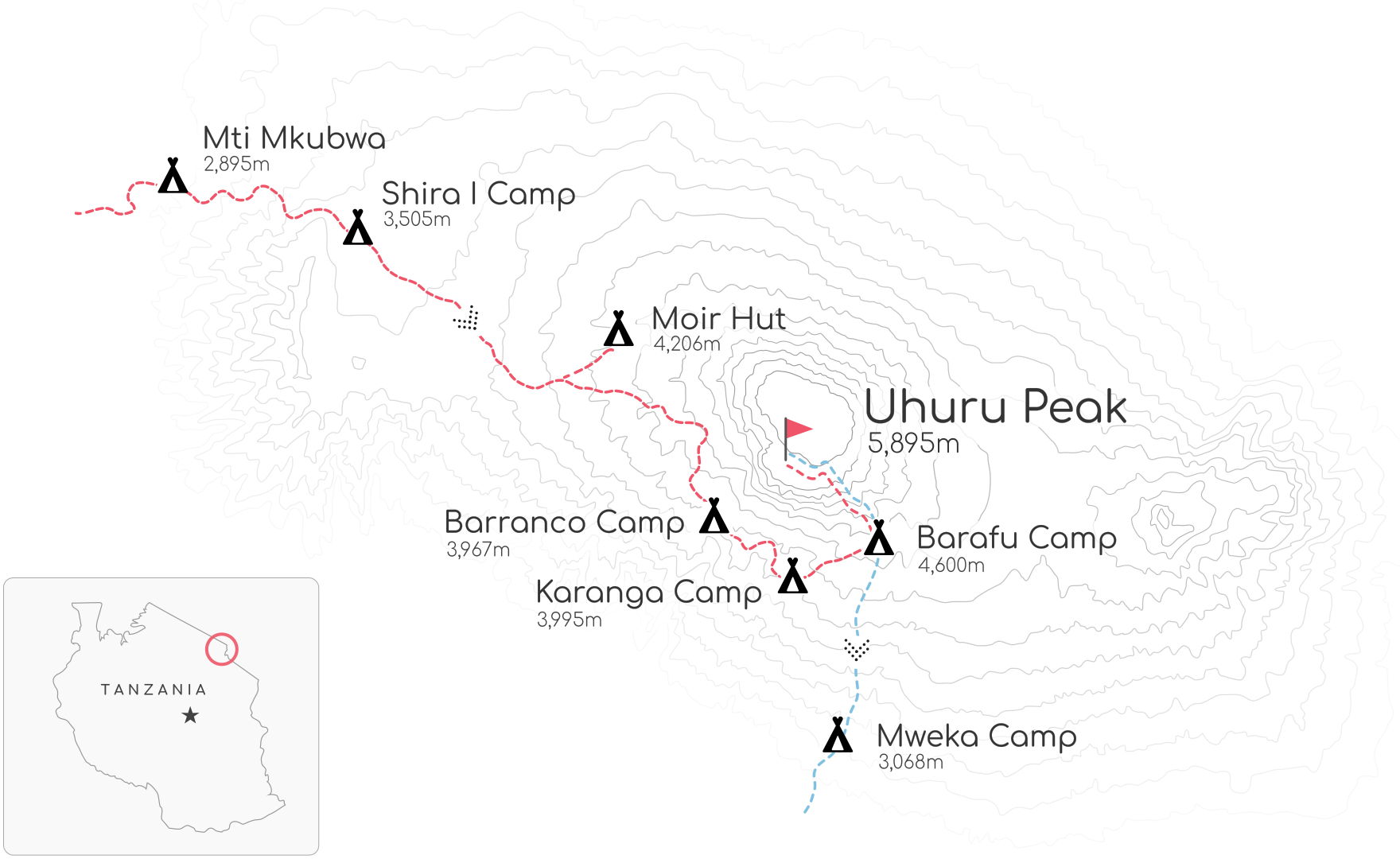
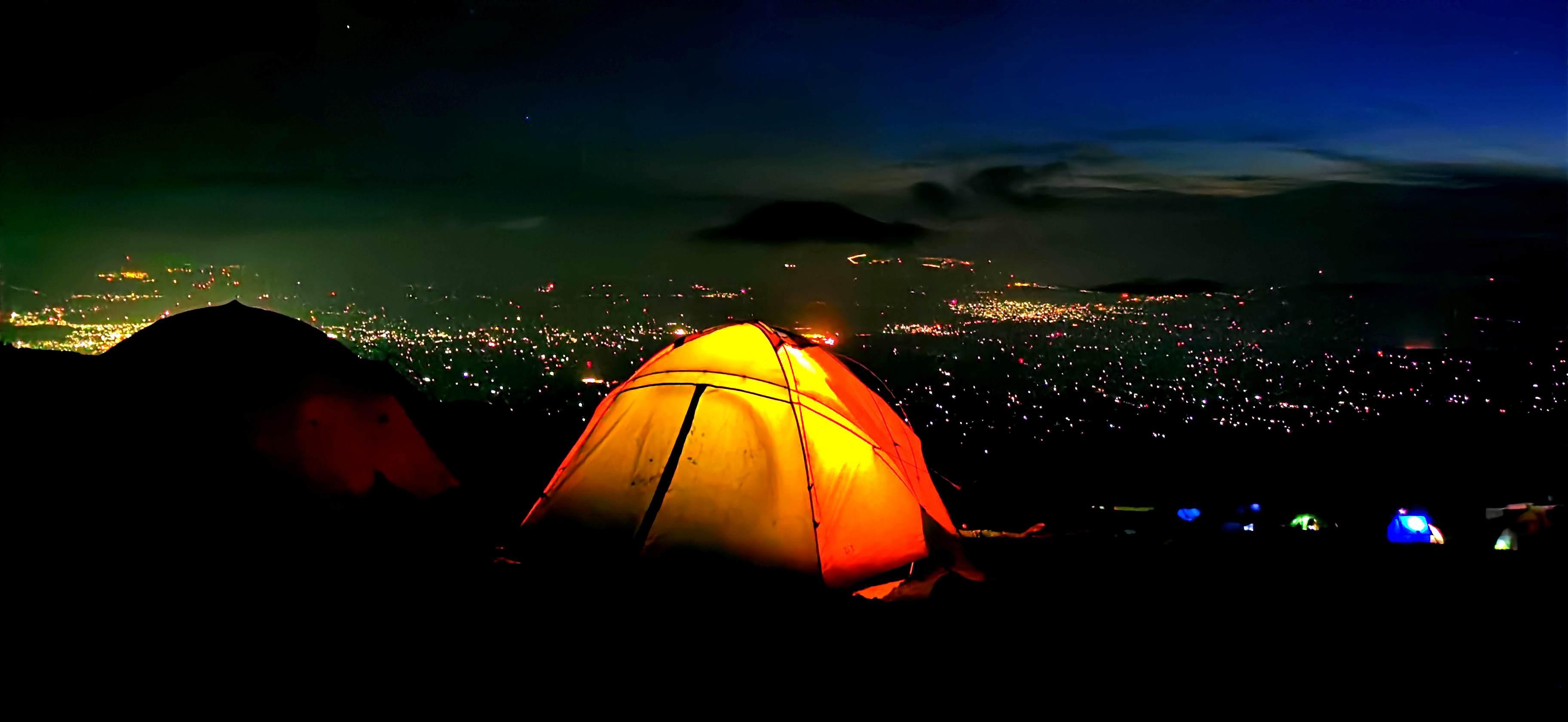
At Lemosho Gate (2,100 m) you're entered into Kilimanjaro National Park's records. From here it's a three-hour hike up to Mti Mkubwa Camp (2,895 m), also known as Big Tree Camp. This is your first night sleeping under the stars in tents!
After an early breakfast, you climb out of the rainforest and into the heather and moorland zone. You cross many streams en route to Shira 1 Camp (3,505 m). Today and tomorrow offer some of the best scenery of the trek. You walk for five to six hours today.

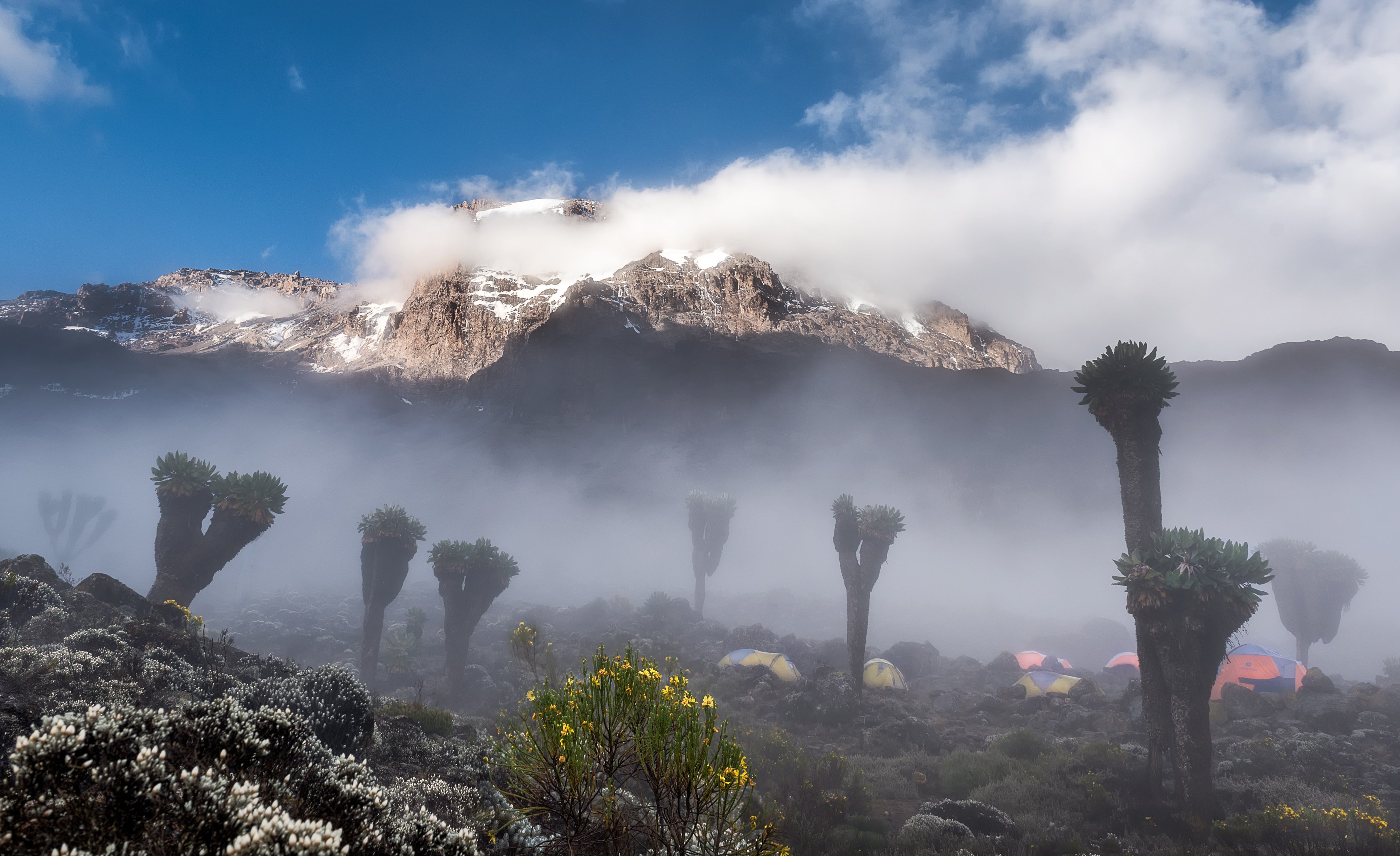
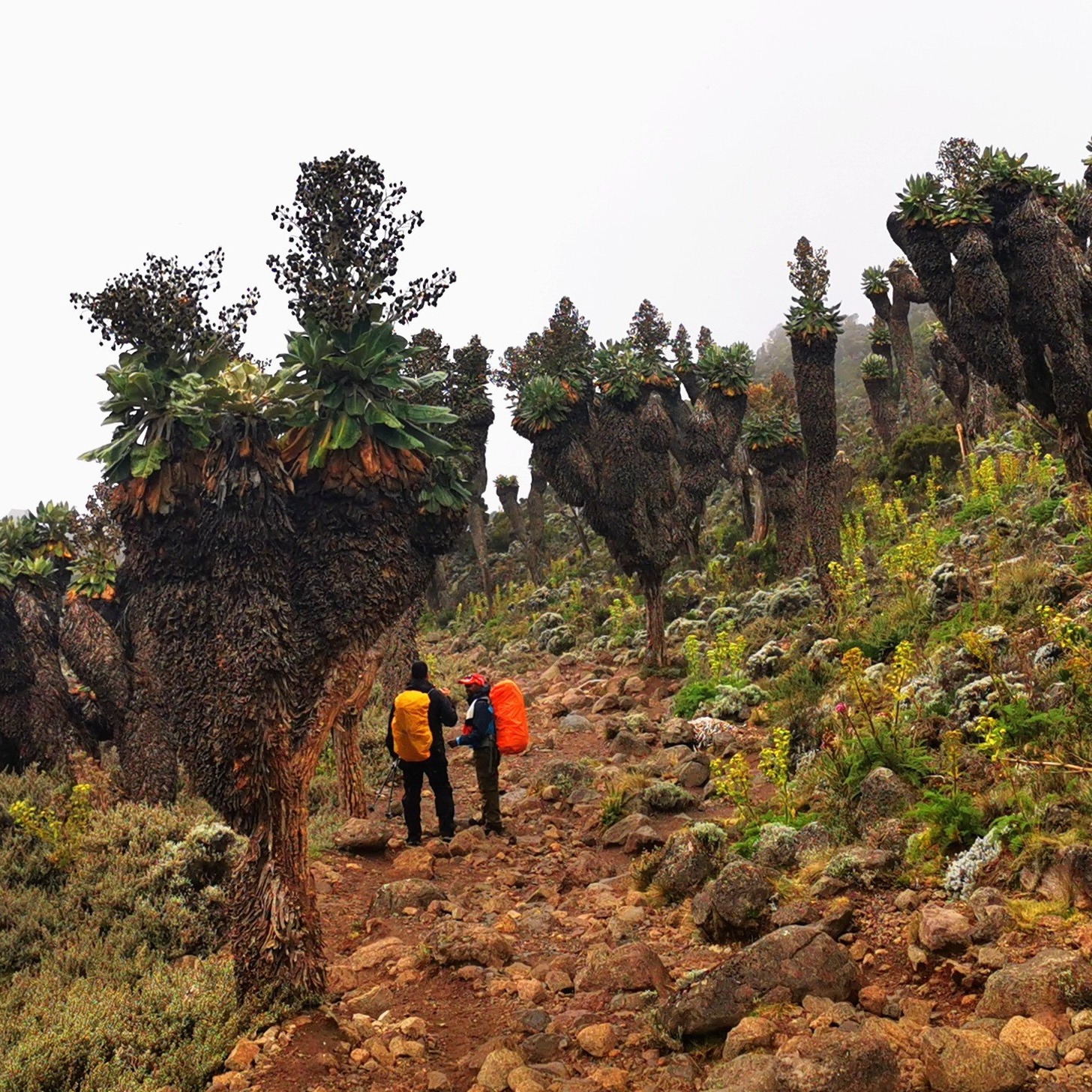
Today you continue along the Shira Plateau, which offers a fantastic view of the Western Breach, a gap in the Kibo crater that was formed by lava flow, and glaciers. You can look forward to seeing giant lobelias, senecios and giant groundsels. You overnight at Moir Hut (4,206 m). All in all, you hike for six to seven hours today.
After breakfast you climb up to Lava Tower (4,630 m), an impressive rock formation. This is where you enjoy lunch. Next, everyone descends a little to Barranco Camp (3,967 m), which sits at the base of the famous Barranco Wall. This means you 'climb high, sleep low' today, which is great for acclimatisation. Hiking time today is six to nine hours.


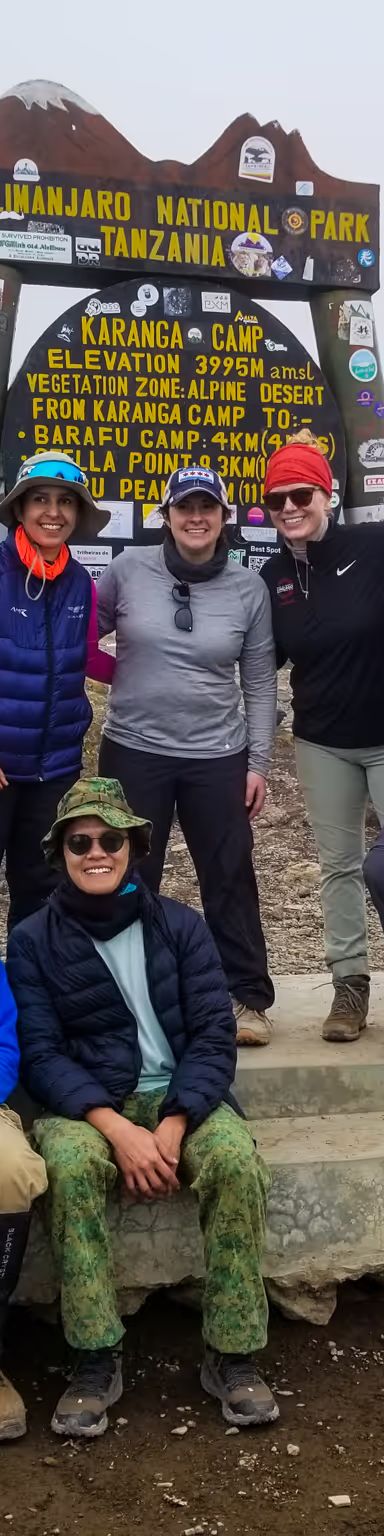
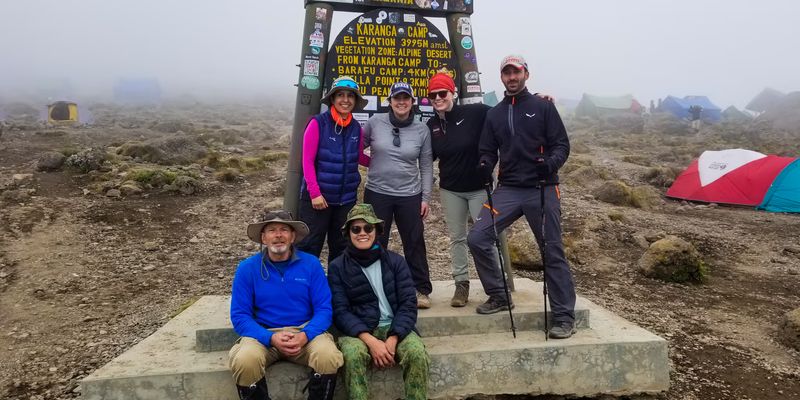
After an early breakfast, it's time to conquer Barranco Wall, a steep wall of rock. Although it looks intimidating, trekkers usually say it turns out to be easier than they expected. At the top of the wall you're above the clouds and enjoy superb views of the southern ice fields and summit. The trail winds up and down until Karanga Camp (3,995 m). Today's hike lasts four to five hours.
It's getting real! You're now very close to the summit and have some amazing views of the mountain during your ascent of three hours to Barafu Camp (4,600 m). You go to bed early tonight as tomorrow's summit hike starts in at midnight. This is partly to enjoy the sunrise from up high, and partly because of the long hours of trekking required.


It's the big push! Today's trek consists of two parts: a pre-dawn climb to Uhuru Peak of six to eight hours, followed by another six to eight hours of hiking for the descent to Mweka Camp (3,068 m). This is the moment to dig deep mentally and physically. Picture yourself standing at the tippy-top of Africa next to the Uhuru Peak sign (5,895 m), all that hard work rewarded!
Today you do the last bit of hiking (three hours) down through the beautiful rainforest to the foot of the mountain and Mweka Gate (1,640 m), where your driver is waiting for you. Achievement of a lifetime: check! Time to celebrate with the tipping ceremony, then enjoy cold beers and laughs, and finally take a well-earned sleep in a soft, comfy bed!


It's time to say say goodbye to Kilimanjaro. If you're leaving Tanzania or heading to Zanzibar, we drive you to the airport. Or if you're joining us for a Tanzania safari, we head west together to see the Big Five and more!
Dedicated trip manager
In-depth preparation documents
Pre-climb Zoom consult
2 overnight stays at Lindrin Lodge in Moshi (incl. breakfasts and dinners)
In-depth pre-climb safety briefing at Lindrin Lodge
Transport to and from trailheads
Kilimanjaro National Park entrance fee
Qualified, experienced, English-speaking guides
Porters
Experienced cook
All meals on the mountain
Snacks and hot drinks
Purified drinking water
Daily bowl of water for ‘washy washy’
High-quality, four-season sleeping bag
High-quality, four-season sleeping tent
Sleeping mat
Private Follow Alice toilet (1 per 8 climbers)
Organisation of any rental equipment, if required
Medical equipment (incl. pulse oximeter and emergency oxygen)
Climb certificate
Tanzanian visa
Airfares
Airport transfers (US$40 per person per transfer)
Traveller's insurance
Tip for mountain crew
Single supplement (if required)
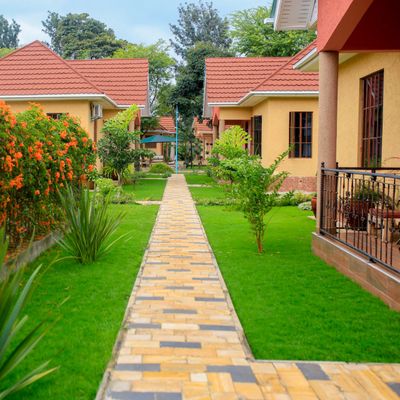
Lindrin Lodge in the town of Moshi offers chalet accommodation in a pretty and well-maintained garden setting.

We’re one of the only travel companies worldwide with perfect 5* reviews
Our dedicated travel consultants make adventuring easy for you by taking away all of the admin. Your only jobs are to train for the adventure if necessary and then pack your bags!
Our local guides look after you in every way. Our goal is to give every traveller the feeling you get when a friend is showing you their country.

On average, over 70% of your trip price stays in the local economy. It's important to us that the visited communities benefit the most since they're the ones hosting travellers.


The best times are the dry seasons:
These months offer clearer skies, more stable weather, and better trail conditions. The wetter months (April–May and November) are less predictable and more strenuous.

You can climb Lemosho in 7 or 8 days, but the 8-day option is strongly recommended. The extra day gives your body more time to adapt to the altitude, which significantly improves your summit success rate and reduces the risk of altitude sickness.
Yes — all accommodation on the Lemosho Route is tent-based camping. Campsites are designated by the park, and your crew sets up and takes down the tents each day. Climbers typically spend one night in a lodge before and after the trek.
Lemosho is quieter than the popular Machame Route, especially during the first two days when the trail passes through a remote western section of the mountain. It becomes busier when it merges with the Machame Route at Shira Camp, but overall it’s considered one of the more peaceful experiences on Kilimanjaro.
Like all Kilimanjaro routes, Lemosho is challenging; climbing Africa’s highest peak is no walk in the park! That said, Lemosho sits comfortably in the middle when compared to the other six ascent routes. It’s not the easiest, but not the toughest either.
You might like to see this detailed description of the Lemosho route itinerary.
Yes. The Lemosho Route is considered one of the best choices for first-time high-altitude trekkers because it gives you a gradual ascent, excellent acclimatisation, and more time to recover between camps. A good fitness base is still important, but no technical climbing is required.
The Lemosho Route typically costs $2,800–$3,300 per person depending on the operator, group size, and level of accommodation before and after the trek. The price usually includes park fees, crew wages, tents, meals, transfers, and all logistical support on the mountain. Optional extras like gear rental, private toilets, and extra acclimatisation days can increase the overall cost.
Because of its gradual ascent profile, the Lemosho Route has one of the highest success rates on Kilimanjaro. Most operators report 85–95% summit success on the 8-day version. Fitness, pacing, and acclimatisation days all play a role in achieving Uhuru Peak.
The Lemosho route can be done in 7 or 8 days. The 8-day itinerary includes an extra acclimatisation day, which helps reduce the risk of altitude sickness and improves summit success.
While the 7-day version is usually fine for fit trekkers, we recommend the 8-day option if you're unsure—it’s the safer bet. Still not sure? Read our article: 7-day Lemosho vs 8-day Lemosho.
The Lemosho Route typically costs $2,800–$3,300 per person depending on the operator, group size, and level of accommodation before and after the trek. The price usually includes park fees, crew wages, tents, meals, transfers, and all logistical support on the mountain. Optional extras like gear rental, private toilets, and extra acclimatisation days can increase the overall cost.
The Lemosho route covers a total distance of 70 km (43 miles), making it a mid-length option compared to other Kilimanjaro routes—not the shortest, but not the longest either.
The Lemosho route covers a total distance of 70 km (43 miles), making it a mid-length option compared to other Kilimanjaro routes—not the shortest, but not the longest either.
Yes, absolutely! The Lemosho route is one of our favourites at Follow Alice because it offers some of the most varied and beautiful scenery on Kilimanjaro.
It takes you through lush rainforest, across the Shira Plateau, past landmarks like Shira Cathedral and the Barranco Wall, and up through alpine desert to glacier views near the summit. It’s a spectacular journey through all of the mountain’s ecological zones.
Yes, absolutely! The Lemosho route is one of our favourites at Follow Alice because it offers some of the most varied and beautiful scenery on Kilimanjaro.
It takes you through lush rainforest, across the Shira Plateau, past landmarks like Shira Cathedral and the Barranco Wall, and up through alpine desert to glacier views near the summit. It’s a spectacular journey through all of the mountain’s ecological zones.

Follow Alice Tours (T) LTD is registered in Tanzania and holds all the necessary licences to run Kilimanjaro climbs and safaris.