
Adventuring made easy
Our dedicated travel consultants make adventuring easy for you by taking away all of the admin. Your only jobs are to train for the adventure if necessary and then pack your bags!




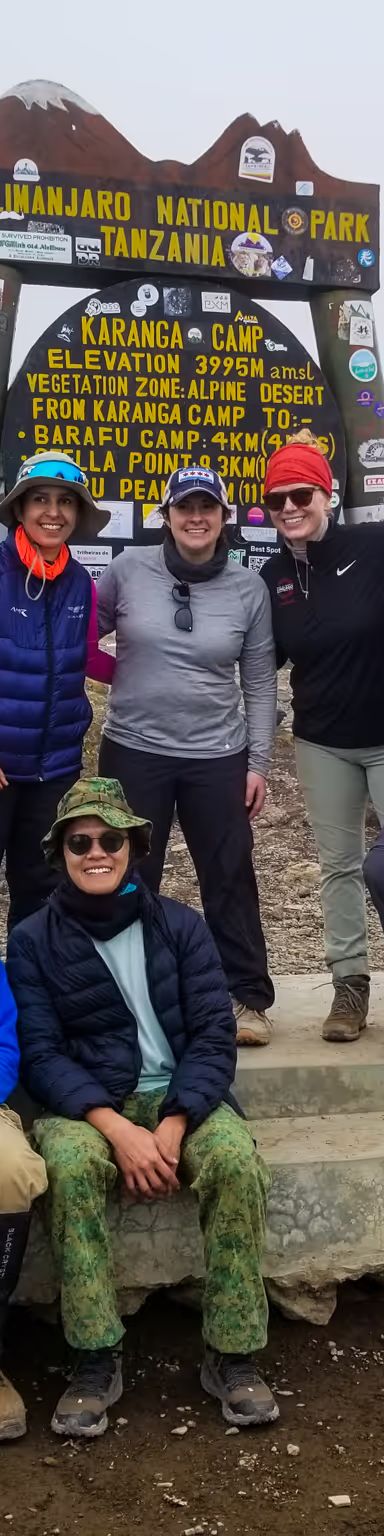
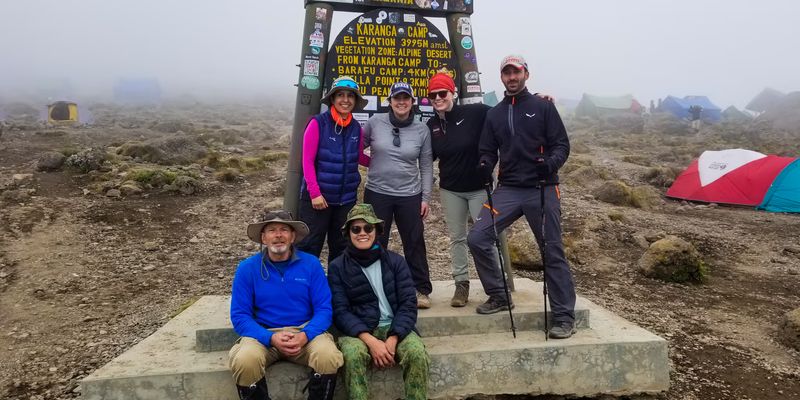



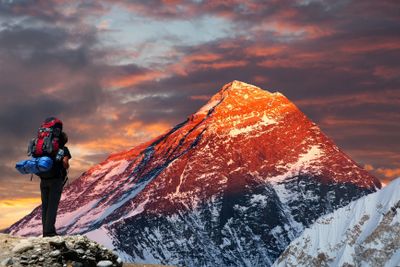
Challenge yourself to trek to the world’s most famous base camp! You’ll stay in traditional Sherpa villages and walk among the mountain gods. There are variations to the classic route that you can take, including flying home in a helicopter. Whichever route you choose, the terrain and high altitude make this a challenging trek that will test your resolve. But the rewards are immense, and we can't encourage you enough to head to Nepal to take on this incredibly beautiful adventure!
Schedule a call with our team, and we will answer any questions you might have.
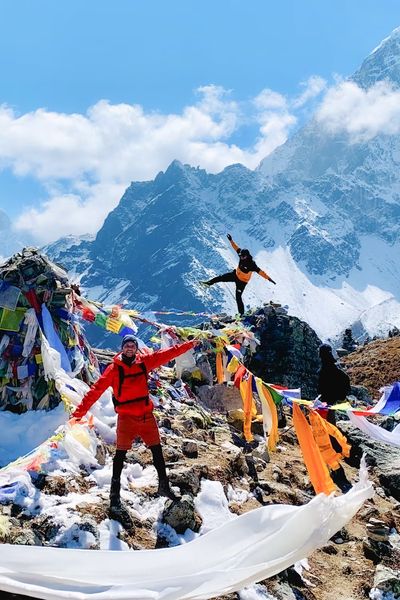
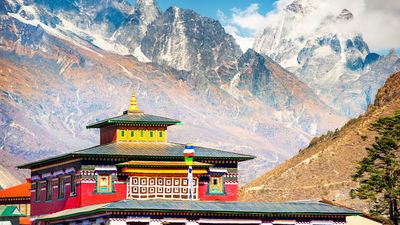
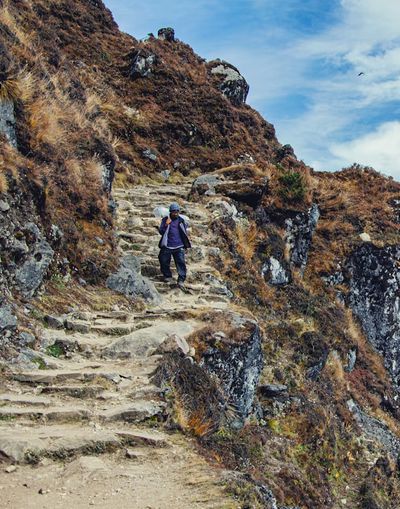
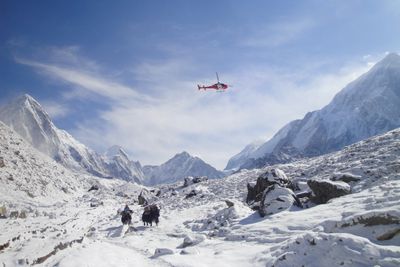
Our four Everest Base Camp itineraries cater for trekkers with different time constraints and fitnesses. Our shortest itinerary lets you return from base camp via helicopter. This is our most popular option as it's not as demanding on the body and also gifts you incredible views of the Himalayas from the air! Our classic EBC trek sees you head out on the shortest route, but on the return you hike some quieter side trails to keep things interesting. Our EBC and Gokyo Lakes trek itinerary offers the classic outwards trail but then includes a longer and incredibly beautiful return route. Finally, our EBC and Three Passes trek route is for the seasoned high-altitude trekker who eats mountain passes for breakfast.
Here's all you need to know to plan a trip to Nepal and also prepare properly for the high-altitude trek to Everest Base Camp.

Nepali

Nepali rupee (NPR)

Nepal has one international airport: Tribhuvan International Airport (KTM).
Usually you fly from Kathmandu to Tenzing-Hillary Airport (LUA) in Lukla to start the Everest Base Camp trek, but the former's airport is undergoing renovations and so many domestic flights aren't operating right now.
This means you need to drive south to Ramechhap Airport (RHP) and fly to Lukla from there.

To learn more, please read Best time to trek to Everest Base Camp.

You can obtain a tourist visa quite easily at Tribhuvan International Airport in Kathmandu when your flight lands. The Government offers 15- and 30-day tourist visas for $30 (€27) and $50 (€45) respectively. You can learn more in Your Nepal travel questions answered.

There are no mandatory vaccinations for travel to Nepal. Note that you do need travel insurance that covers you for trekking up to 6,000 m above sea level. We also advise speaking with your GP about your travel plans. Learn more in Altitude gain on Everest Base Camp trek.
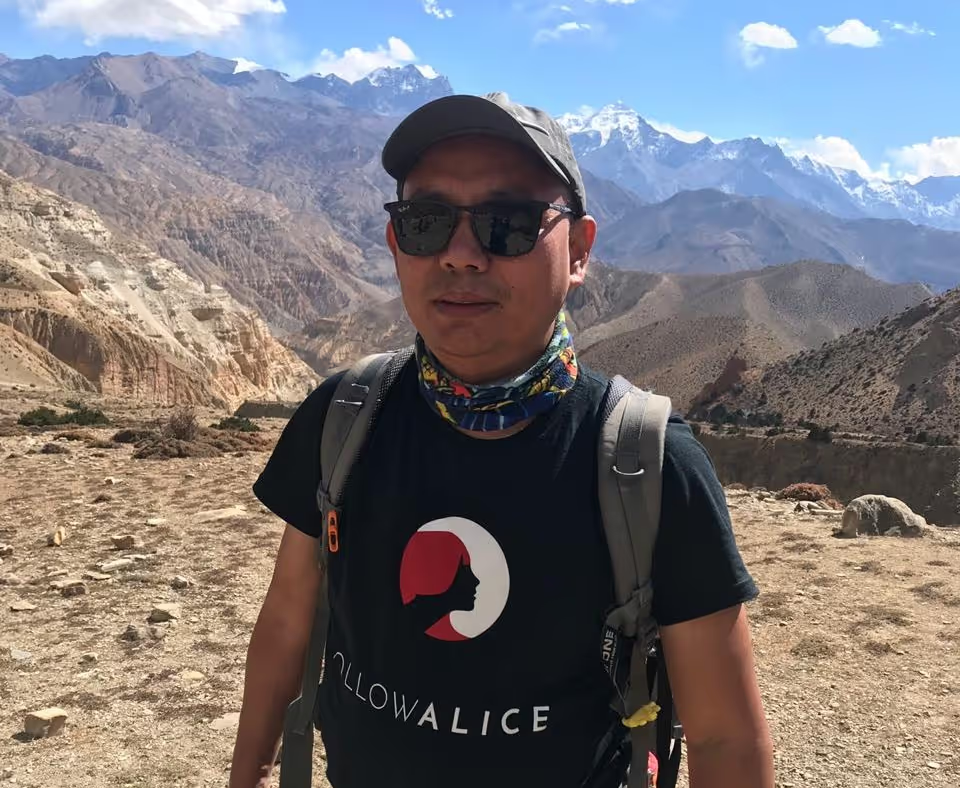
Sonam, who grew up in the Everest region of Nepal, is a mountain man through and through. He's a highly experienced and knowledgeable trek guide, and someone you can trust to lead you safely through the formidable Himalayas!


We’re one of the only travel companies worldwide with perfect 5* reviews
Our dedicated travel consultants make adventuring easy for you by taking away all of the admin. Your only jobs are to train for the adventure if necessary and then pack your bags!
Our local guides look after you in every way. Our goal is to give every traveller the feeling you get when a friend is showing you their country.

On average, over 70% of your trip price stays in the local economy. It's important to us that the visited communities benefit the most since they're the ones hosting travellers.














The Everest Base Camp trek starts in Lukla, a mountain town reached by a short flight from Kathmandu, Nepal’s capital. Due to airport renovations, flights now often depart from Manthali Airport, about a five-hour drive from Kathmandu, adding an extra day to your journey. From Lukla, the trek continues through scenic villages up to Everest Base Camp.

The best times of year to trek to Everest Base Camp are March to May and mid-September to November, when the weather is most stable and the views are clear. If you want to see Everest Base Camp in full swing, with climbers preparing for summit attempts, April and May are ideal.
Want help picking the right season for your trek? Read more here.
You'll need gear suitable for high-altitude trekking and varying weather. Essentials include waterproof hiking boots, thermal layers, an insulated down jacket, trekking trousers, gloves, a sleeping bag (rated to -10°C), sunglasses, a daypack, and personal items like sunscreen and medication.
For a full list of what to pack, please read the Everest Base Camp packing list.
The Everest Base Camp trek is definitely a challenge, but it’s one that thousands of adventurers take on every year. You don’t need to be a super athlete, but a good level of fitness will help, especially with the long hiking days and high altitude. The real test is the thin air, not the trail itself.
With the right prep and mindset, it’s absolutely doable and incredibly rewarding.
The Everest Base Camp trek isn’t inherently dangerous, but it does come with risks, mainly due to the high altitude. Altitude sickness is the biggest concern, which is why a well-paced itinerary with proper acclimatisation is so important. Weather can also be unpredictable, and the terrain can be tough in parts.
Altitude sickness, also known as acute mountain sickness (AMS), is how your body reacts to high elevations where the air has less oxygen. It usually starts to affect people at around 3,000 metres (9,000 feet) above sea level. Most trekkers experience mild symptoms. The best way to prevent altitude sickness is to ascend slowly, allowing your body time to adjust to each new height. There are also other steps you can take to reduce the risk and ease symptoms if they occur.
Before heading to high altitudes, have a quick chat with your doctor.
Yes, travel insurance is essential for trekking to Everest Base Camp. It should cover high-altitude trekking, emergency evacuation (like helicopter rescue), medical expenses, and trip cancellation. Having insurance protects you against unexpected situations and ensures peace of mind on the trail.
We discuss the type of traveller's insurance you should take out in more detail in the Everest Base Camp trek cost.

Follow Alice Tours (T) LTD is registered in Tanzania and holds all the necessary licences to run Kilimanjaro climbs and safaris.