
Adventuring made easy
Our dedicated travel consultants make adventuring easy for you by taking away all of the admin. Your only jobs are to train for the adventure if necessary and then pack your bags!




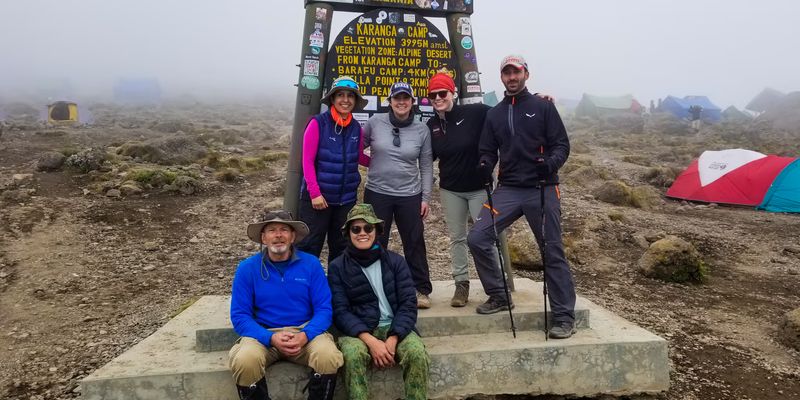




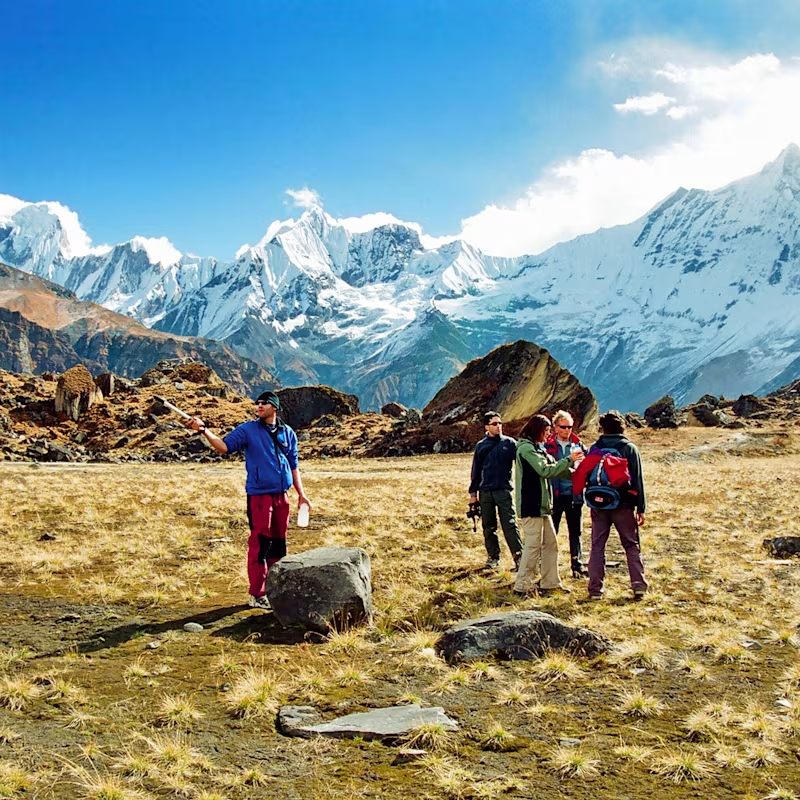
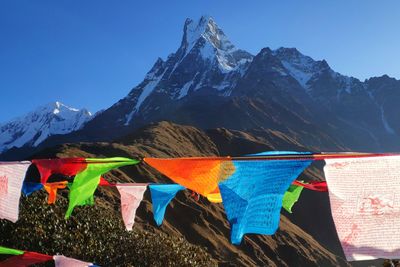
Join us for a challenging trek in the mighty Annapurna mountain range of northern Nepal. This region is known for its diverse communities, many of whom follow centuries-old Hindu and Buddhist traditions. There are many variations to the classic Annapurna Circuit that one can travel, and we suggest the ones we think are the most rewarding, in terms of both variety and scenery. But whichever route you follow, you can expect staggeringly immense mountains that dwarf you while expanding your sense of wonder.
Book a call with our team if you have any questions.
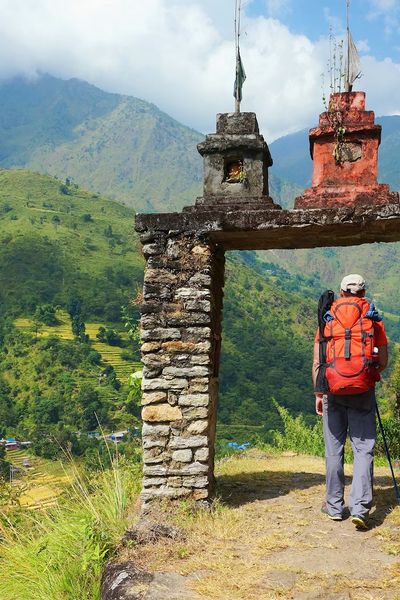
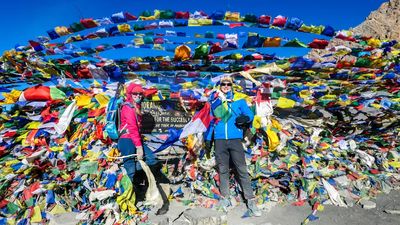
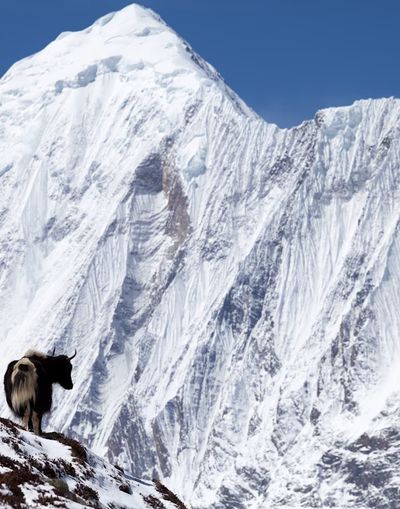
We have two Annapurna Circuit itineraries on offer. The first is the classic Annapurna Circuit, one of Nepal's most famous routes! The second includes an extension into the seldom-visited Nar and Phu Valleys, and is ideal for those who love to visit out-of-the-way places!
Here are the basics you need to know in order to plan a trip to Nepal as well as prepare for the Annapurna Circuit in particular.

Nepali

Nepali rupee (NPR)

To enter Nepal you must fly into Tribhuvan International Airport (KTM) in Kathmandu. The closest regional airport to the Annapurna Circuit is Pokhara Domestic Airport (PKR), and we have clients fly from here on the return to Kathmandu. Annapurna Circuit trekkers also use the small airstrip at Jomsom Airport (JMO) to fly to Pokhara at the end of the trek.

You can obtain a tourist visa quite easily at Tribhuvan International Airport in Kathmandu when your flight lands. The Government offers 15- and 30-day tourist visas for $30 (€27) and $50 (€45) respectively.
You can learn more in Your Nepal travel questions answered.

There are no mandatory vaccinations for travel to Nepal.
Please note that you need to take out insurance to cover you for trekking up to 6,000 m above sea level. We also advise speaking with your GP beforehand about your travel plans.
You might like to learn more in 10 tips for trekking the Annapurna Circuit.
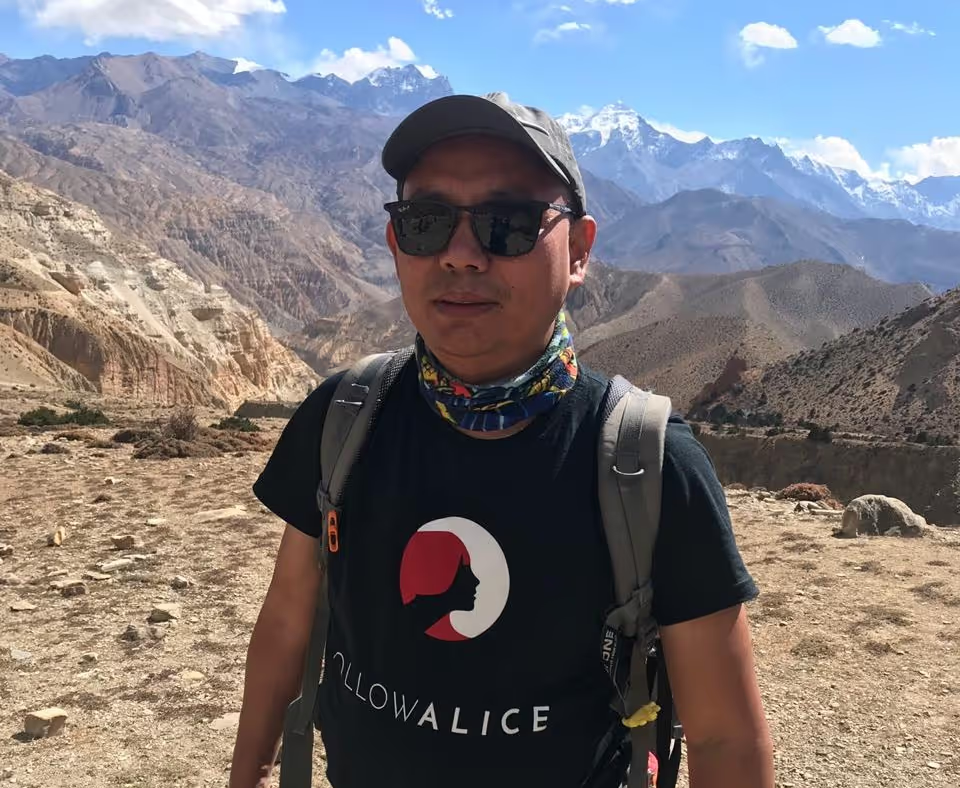
Sonam, who grew up in the Everest region of Nepal, is a mountain man through and through. He's a highly experienced and knowledgeable trek guide, and someone you can trust to lead you safely through the formidable Himalayas!
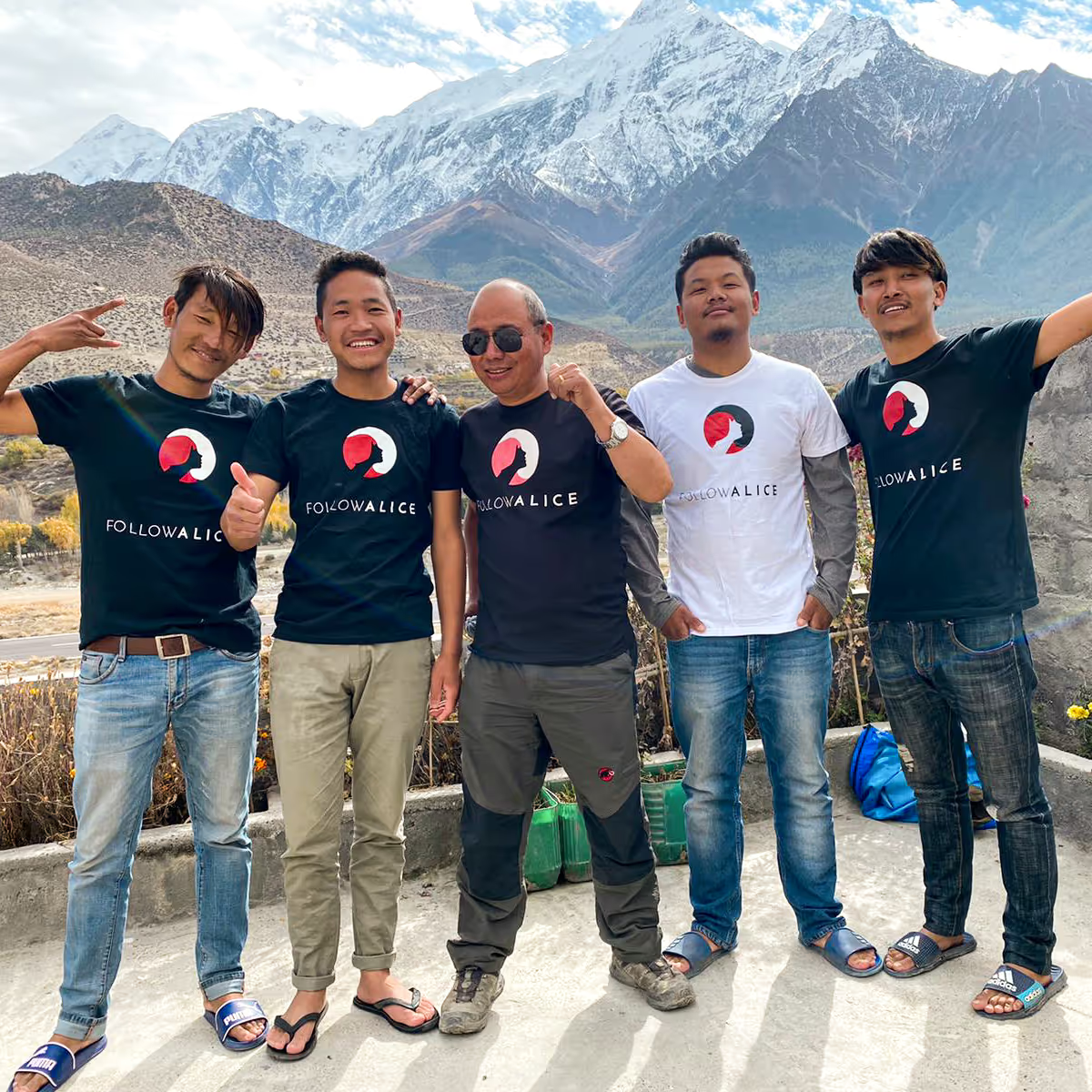


We’re one of the only travel companies worldwide with perfect 5* reviews
Our dedicated travel consultants make adventuring easy for you by taking away all of the admin. Your only jobs are to train for the adventure if necessary and then pack your bags!
Our local guides look after you in every way. Our goal is to give every traveller the feeling you get when a friend is showing you their country.

On average, over 70% of your trip price stays in the local economy. It's important to us that the visited communities benefit the most since they're the ones hosting travellers.















Yes, most nationalities are required to obtain a tourist visa to enter Nepal. Fortunately, Nepal offers a convenient visa-on-arrival option at major entry points for many countries.
To ensure you have the latest information and to check your specific visa requirements, visit the official Nepalese Department of Immigration website.

To start the Annapurna Circuit trek, most travellers fly into Kathmandu, Nepal’s capital, where you can organise permits and gear. From Kathmandu, you’ll usually take a domestic flight or a scenic, sometimes bumpy, drive to Pokhara — the main gateway to the Annapurna region. From Pokhara, it’s a few hours’ drive to the trek’s starting point, often Besisahar or Dharapani, depending on your chosen route.
Along the way, you’ll pass through charming villages, terraced fields, and stunning mountain scenery as you begin your adventure.
The Annapurna Circuit is a moderately challenging trek suitable for fit and prepared hikers. It involves long days of walking, typically 5 to 8 hours, and crossing high mountain passes, with the highest point at Thorong La Pass (5,416m/17,769ft). Altitude, changing weather, and rugged terrain can make it tough, but with proper acclimatisation and pacing, most people complete it successfully. Some previous trekking experience helps, but isn’t essential.
You might like to learn more by reading Is the Annapurna Circuit hard?
The Annapurna Circuit is a challenging trek, but with the right preparation, it’s generally safe. The biggest risks come from altitude sickness, unpredictable weather, and sometimes rough or narrow trails. Proper acclimatisation, taking your time, and listening to your body are key to staying safe.
It’s also important to trek with an experienced guide like Follow Alice and have travel insurance that covers high-altitude trekking. While hazards exist, thousands of trekkers complete the circuit safely each year and are rewarded with breathtaking scenery and rich cultural experiences.
Altitude sickness, also called acute mountain sickness (AMS), happens when your body struggles to adjust to lower oxygen levels at high elevations. Common symptoms include headache, nausea, dizziness, tiredness, and shortness of breath.
It usually affects trekkers above 3000 metres (9000 feet) but can become serious if ignored. The best way to prevent altitude sickness is to ascend slowly, stay hydrated, and allow time for your body to acclimate. In severe cases, descending to a lower altitude is necessary. Knowing the symptoms and taking them seriously is key to staying safe on any high-altitude trek.
Yes, we highly recommend having travel insurance, and for some trekkers, it’s required. The Annapurna Circuit takes you into remote, high-altitude terrain where things like altitude sickness, injuries, or sudden weather changes can happen.
Insurance that covers high-altitude trekking and emergency evacuation gives you peace of mind so you can enjoy your adventure.
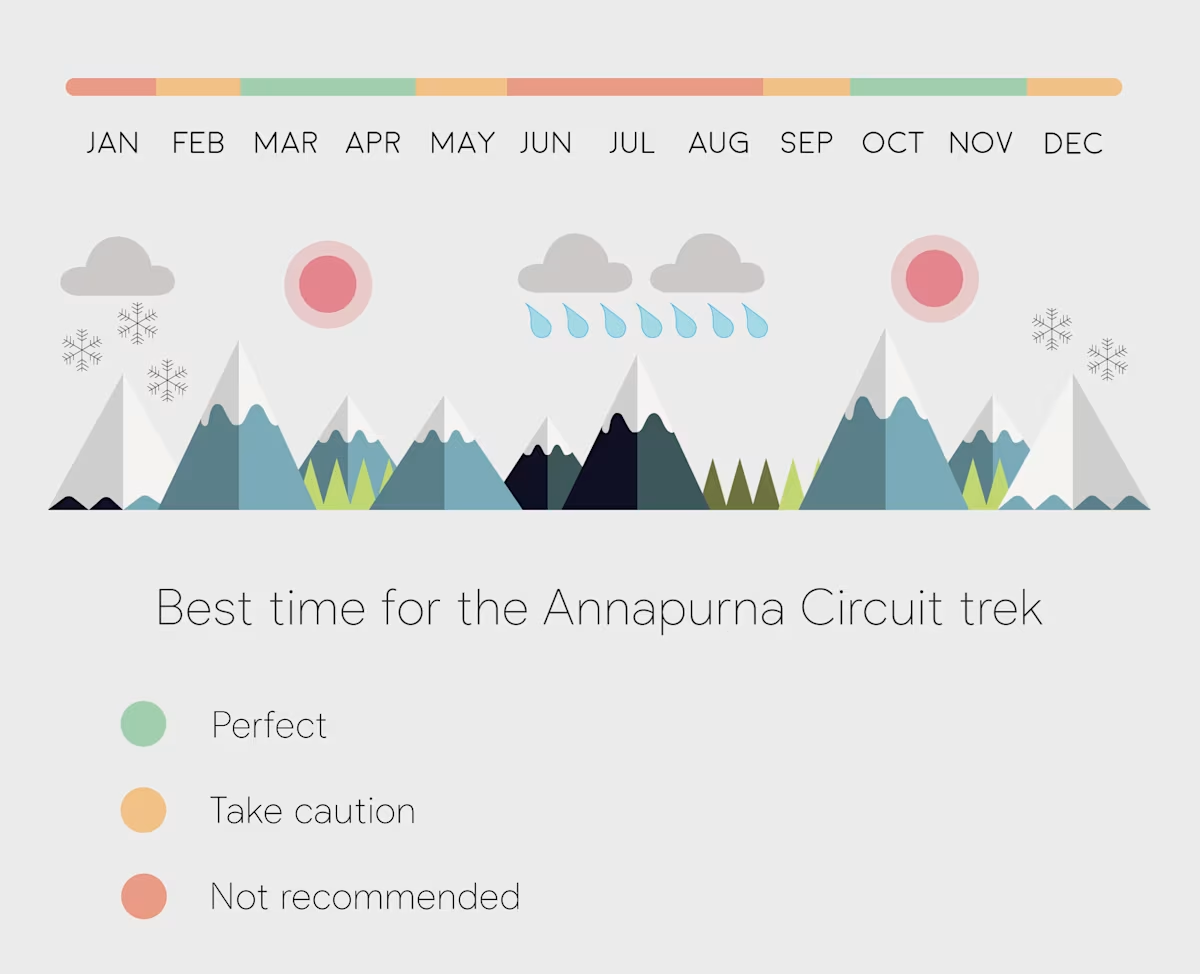
The best time to trek the Annapurna Circuit is during the spring (March to May) and autumn (September to November) seasons.
These months offer comfortable temperatures, good trail conditions, and stunning scenery — perfect for trekking. Avoid the monsoon season (June to August) because of heavy rains and slippery paths, and the winter months (December to February) can be very cold, especially at high altitudes.
You’ll need a sturdy backpack, layered clothing for all weather, waterproof trekking boots, and a warm sleeping bag. Trekking poles, sun protection, a water bottle with purification, a headlamp, and a basic first aid kit are also essential. Don’t forget your passport, permits, cash, and snacks.
For a full list of the clothes and gear to bring, please read the Annapurna Circuit packing list.

Follow Alice Tours (T) LTD is registered in Tanzania and holds all the necessary licences to run Kilimanjaro climbs and safaris.