


Adventuring made easy
Our dedicated travel consultants make adventuring easy for you by taking away all of the admin. Your only jobs are to train for the adventure if necessary and then pack your bags!




If you've arranged an airport transfer with us, we'll pick you up from Kilimanjaro International Airport and drive you to the lodge. Here you meet your fellow trekkers and lead guide, who gives you a briefing on what to expect. Relax by the pool and enjoy your last night of easy living for a while!

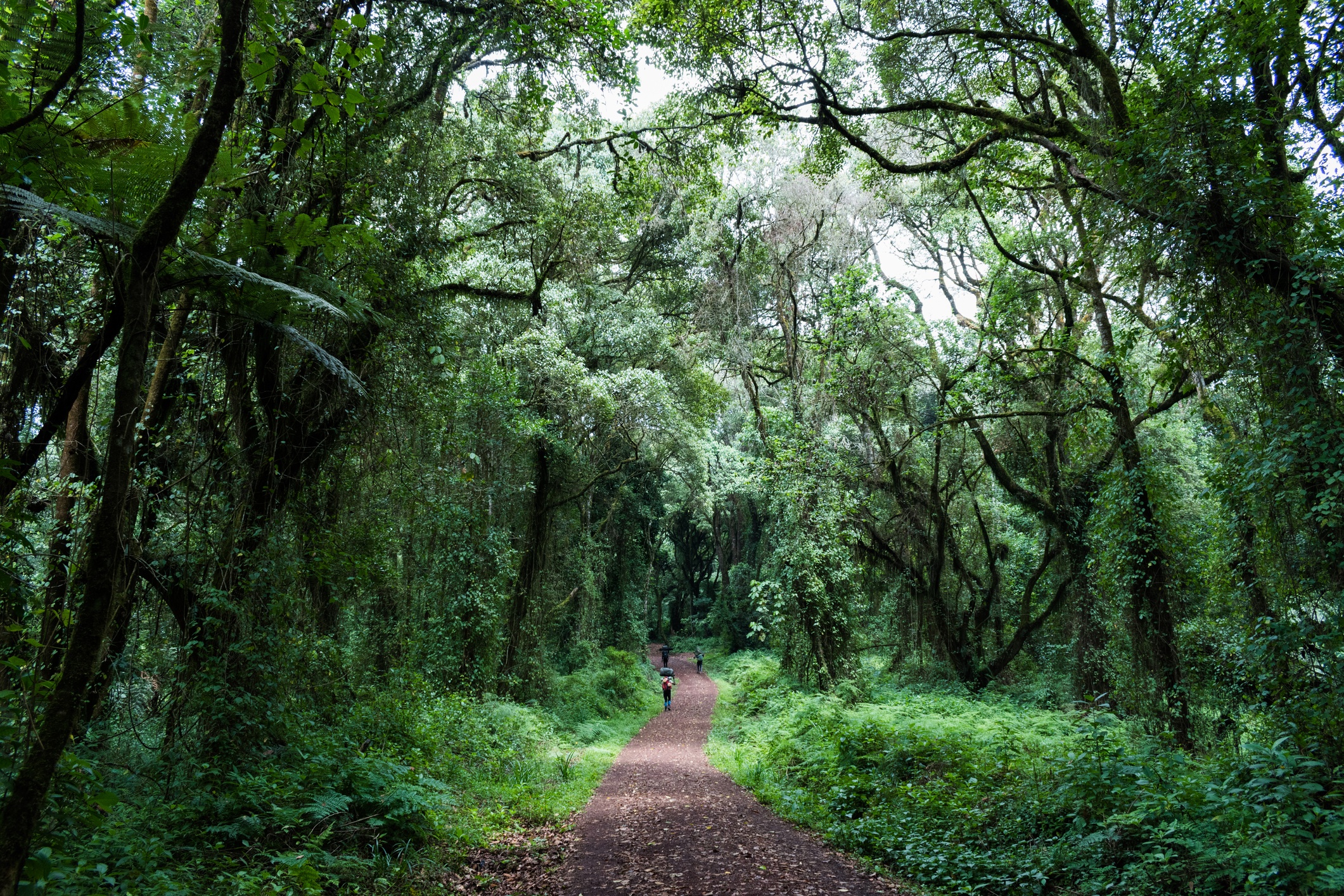
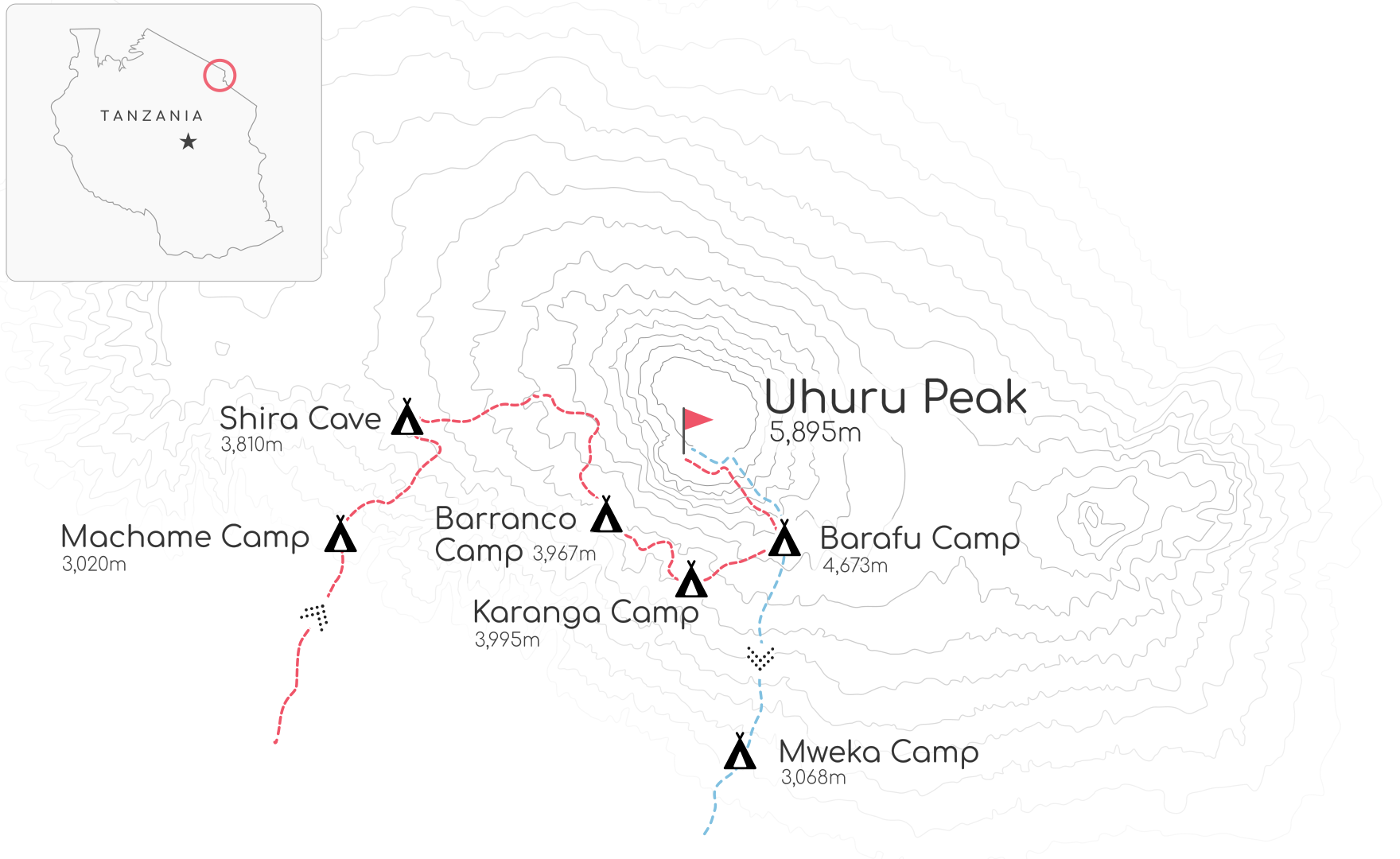
After an early breakfast you're driven to Kilimanjaro National Park where the trek begins! At Machame Gate (1,640 m) you’re recorded in the park's register. You then hike for five to seven hours through pristine rainforest to Machame Camp (3,020 m). This is a beautiful section of the hike, and you should keep your eyes open for monkeys, duikers and birds.
After an early breakfast, you climb up and out of the rainforest and into the moorland (or heath) zone. You cross many streams and walk over a plateau that leads to Shira Cave Camp (3,810 m). At this campsite you have a spectacular view of the Western Breach and its glaciers. Today’s hike lasts about five to six hours in total.


Today’s route consists of two parts: the hike up to Lava Tower (4,630 m), followed by the hike down to Barranco Camp (3,967 m). This means we 'hike high, sleep low', which is an excellent strategy for good acclimatisation. You enjoy lunch at Lava Tower, a striking rock formation. Barranco Camp is nestled at the base of the imposing Barranco Wall. You hike for six to eight hours today.
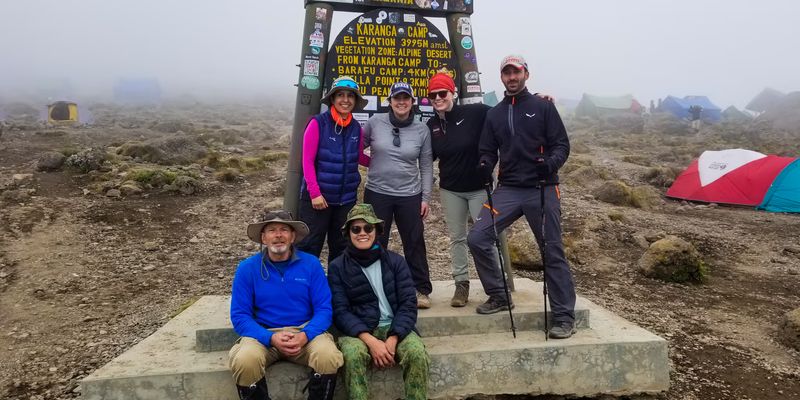
After an early breakfast, it’s time to conquer Barranco Wall. While it may look intimidating at first, it's actually very managaeable. And most trekkers actually really enjoy it. It's a funnel on the trek route, and there's a great spirit of camaraderie. From there, the trail winds up and down until you arrive at Karanga Camp (3,995 m). In total you hike for four to five hours.


It's getting real! You’re now very close to the summit and have some amazing views of the mountain during your ascent of three hours to reach Barafu Camp (4,673 m). You all go to bed early tonight as you'll be woken around midnight by your crew with tea and biscuits to get ready for the start of the long summit trek.
This is it! Time to go big or go home. And that means believing in yourself and when it gets tough, just focusing on the next step. Because you can do it! Starting at midnight, you reach Stella Point on the crater rim around 6 or 7 am for sunrise. After another hour of walking you're standing at Uhuru Peak (5,685 m), the higest person in Africa! It's then a long hike of six to eight hours down to Mweka Camp (3,068 m).


Today you hike the last bit of the trek route (which takes three hours) to reach Mweka Gate (1,640 m). This part of the route takes you back into the rainforest, and all that oxygen-laden air is a dream! Your driver meets you at the gate and whisks you back to your lodge where you can enjoy beers, hot showers and cosy beds!
Today we drive west, with Kilimanjaro in our rearview mirror and amazing memories in our back pockets. For those flying out of Tanzania or on to Zanzibar, we drop you at the airport. But for those heading off on a safari, we continue west into the next part of our adventure!

Dedicated trip manager
In-depth preparation documents
Pre-climb Zoom consult
2 overnight stays at Lindrin Lodge in Moshi (incl. breakfasts and dinners)
In-depth pre-climb safety briefing at Lindrin Lodge
Transport to and from trailheads
Kilimanjaro National Park entrance fee
Qualified, experienced, English-speaking guides
Porters
Experienced cook
All meals on the mountain
Snacks and hot drinks
Purified drinking water
Daily bowl of water for ‘washy washy’
High-quality, four-season sleeping bag
High-quality, four-season sleeping tent
Sleeping mat
Private Follow Alice toilet (1 per 8 climbers)
Organisation of any rental equipment, if required
Medical equipment (incl. pulse oximeter and emergency oxygen)
Climb certificate
Tanzanian visa
Airfares
Airport transfers (US$40 per person per transfer)
Traveller's insurance
Single supplement ($200) if required
Tip for mountain crew
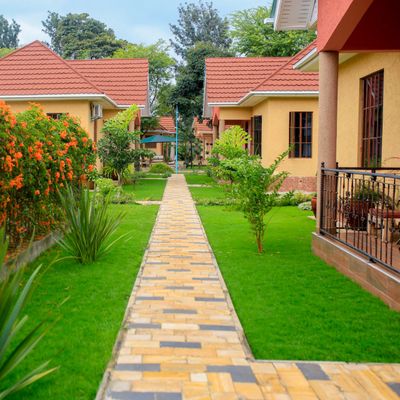
Lindrin Lodge in the town of Moshi offers chalet accommodation in a pretty and well-maintained garden setting.

We’re one of the only travel companies worldwide with perfect 5* reviews
Our dedicated travel consultants make adventuring easy for you by taking away all of the admin. Your only jobs are to train for the adventure if necessary and then pack your bags!
Our local guides look after you in every way. Our goal is to give every traveller the feeling you get when a friend is showing you their country.

On average, over 70% of your trip price stays in the local economy. It's important to us that the visited communities benefit the most since they're the ones hosting travellers.


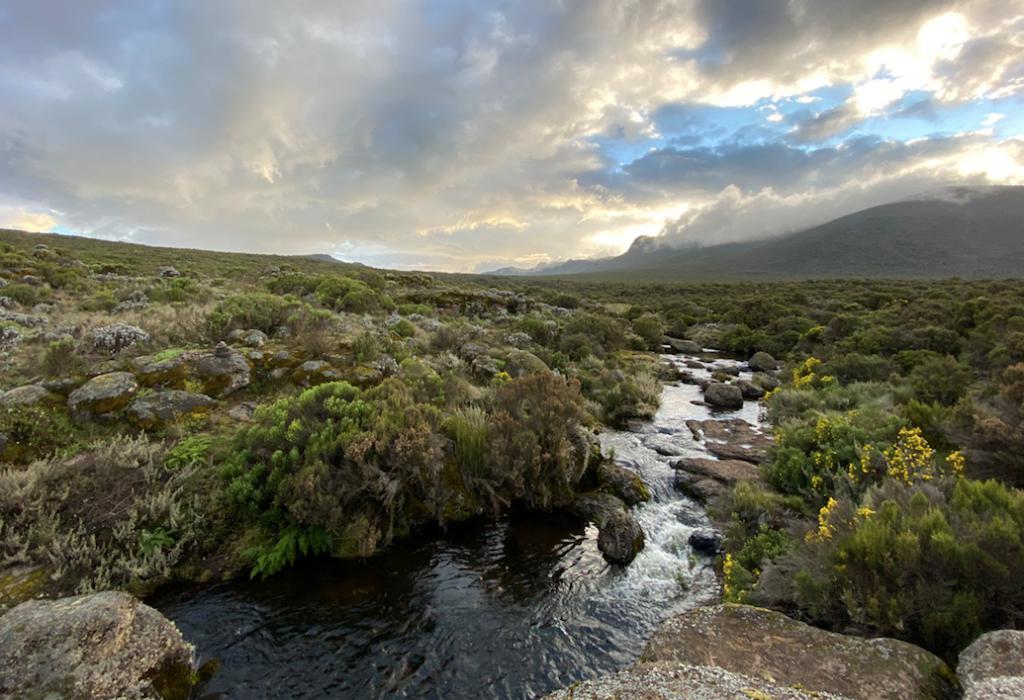
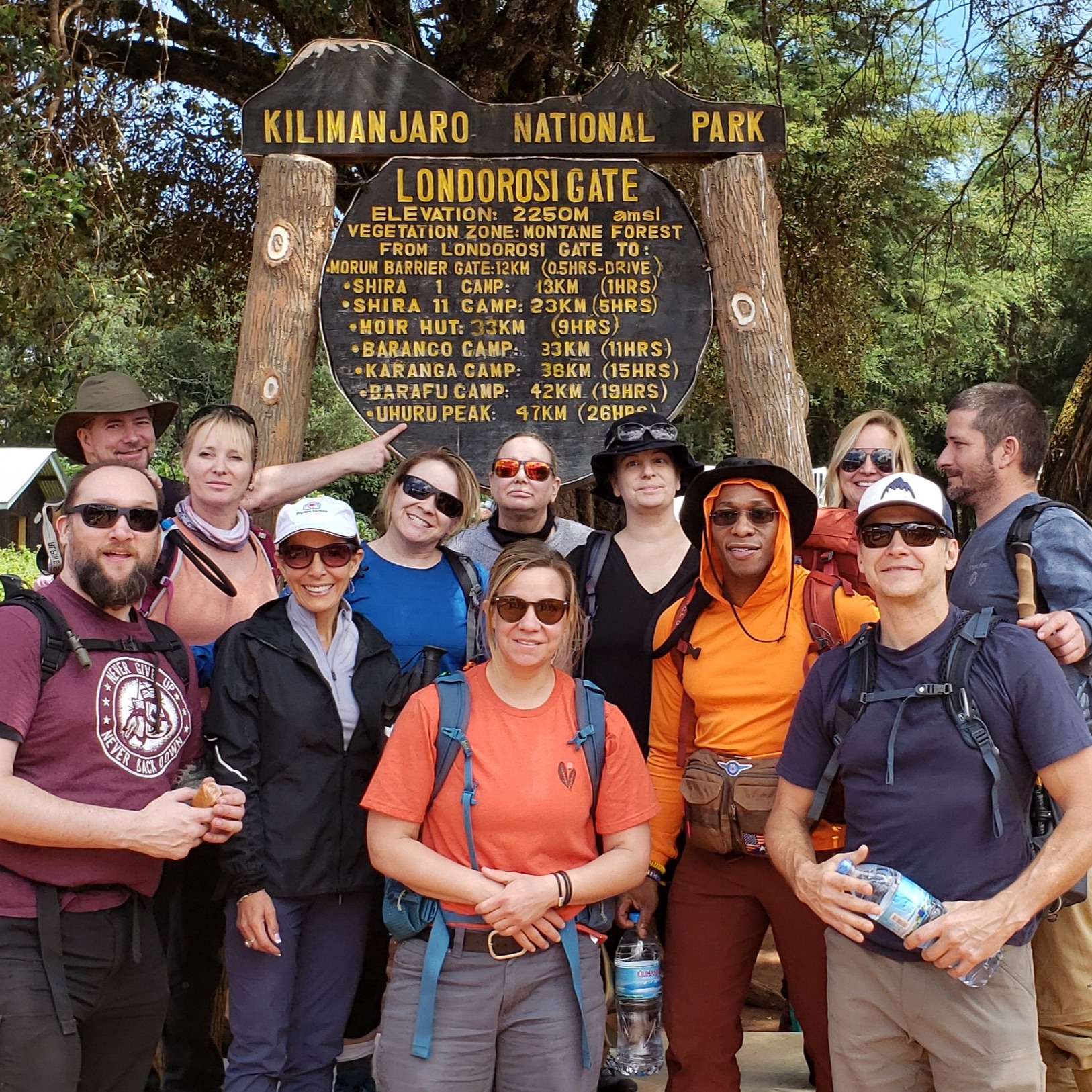

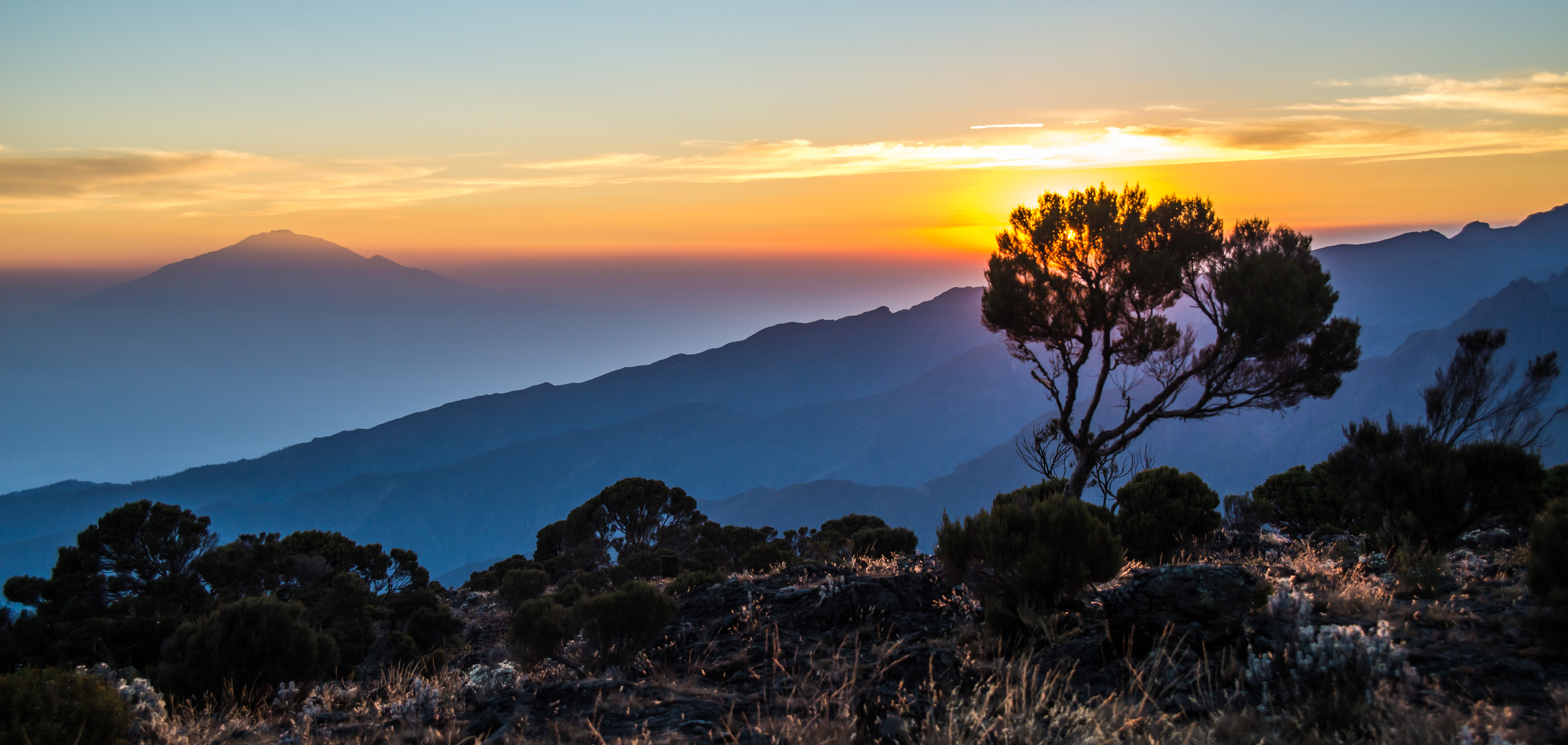
The Machame route is often called the "Whiskey Route" and is known for offering some of the most stunning and varied scenery on Mount Kilimanjaro.
You’ll hike through lush rainforest, cross the Shira Plateau, pass beneath the towering Lava Tower, and navigate the surreal, moon-like Barranco Valley. As you climb higher, the views open up to sweeping panoramas of the mountain and the plains below. Each day brings new landscapes, making the Machame route a favourite for both its beauty and sense of adventure.

Yes, the Barranco Wall is a key part of the Machame route. It’s a steep, rocky cliff that you’ll climb on Day 5, and while it looks intimidating, it’s more of a scramble than a technical climb.
Your guides will be there to help and support you every step of the way. Successfully conquering the Barranco Wall is one of the most memorable and rewarding moments on the trek — plus, it leads you into the stunning Karanga Valley as you continue toward the summit.
The best times are the dry seasons:
These months offer clearer skies, more stable weather, and better trail conditions. The wetter months (April–May and November) are less predictable and more strenuous.
You can climb Lemosho in 7 or 8 days, but the 8-day option is strongly recommended. The extra day gives your body more time to adapt to the altitude, which significantly improves your summit success rate and reduces the risk of altitude sickness.
Yes — all accommodation on the Lemosho Route is tent-based camping. Campsites are designated by the park, and your crew sets up and takes down the tents each day. Climbers typically spend one night in a lodge before and after the trek.
Lemosho is quieter than the popular Machame Route, especially during the first two days when the trail passes through a remote western section of the mountain. It becomes busier when it merges with the Machame Route at Shira Camp, but overall it’s considered one of the more peaceful experiences on Kilimanjaro.
Yes. The Lemosho Route is considered one of the best choices for first-time high-altitude trekkers because it gives you a gradual ascent, excellent acclimatisation, and more time to recover between camps. A good fitness base is still important, but no technical climbing is required.
Because of its gradual ascent profile, the Lemosho Route has one of the highest success rates on Kilimanjaro. Most operators report 85–95% summit success on the 8-day version. Fitness, pacing, and acclimatisation days all play a role in achieving Uhuru Peak.
The Lemosho Route typically costs $2,800–$3,300 per person depending on the operator, group size, and level of accommodation before and after the trek. The price usually includes park fees, crew wages, tents, meals, transfers, and all logistical support on the mountain. Optional extras like gear rental, private toilets, and extra acclimatisation days can increase the overall cost.
The Lemosho route covers a total distance of 70 km (43 miles), making it a mid-length option compared to other Kilimanjaro routes—not the shortest, but not the longest either.
Follow Alice Tours (T) LTD is registered in Tanzania and holds all the necessary licences to run Kilimanjaro climbs and safaris.