
Adventuring made easy
Our dedicated travel consultants make adventuring easy for you by taking away all of the admin. Your only jobs are to train for the adventure if necessary and then pack your bags!


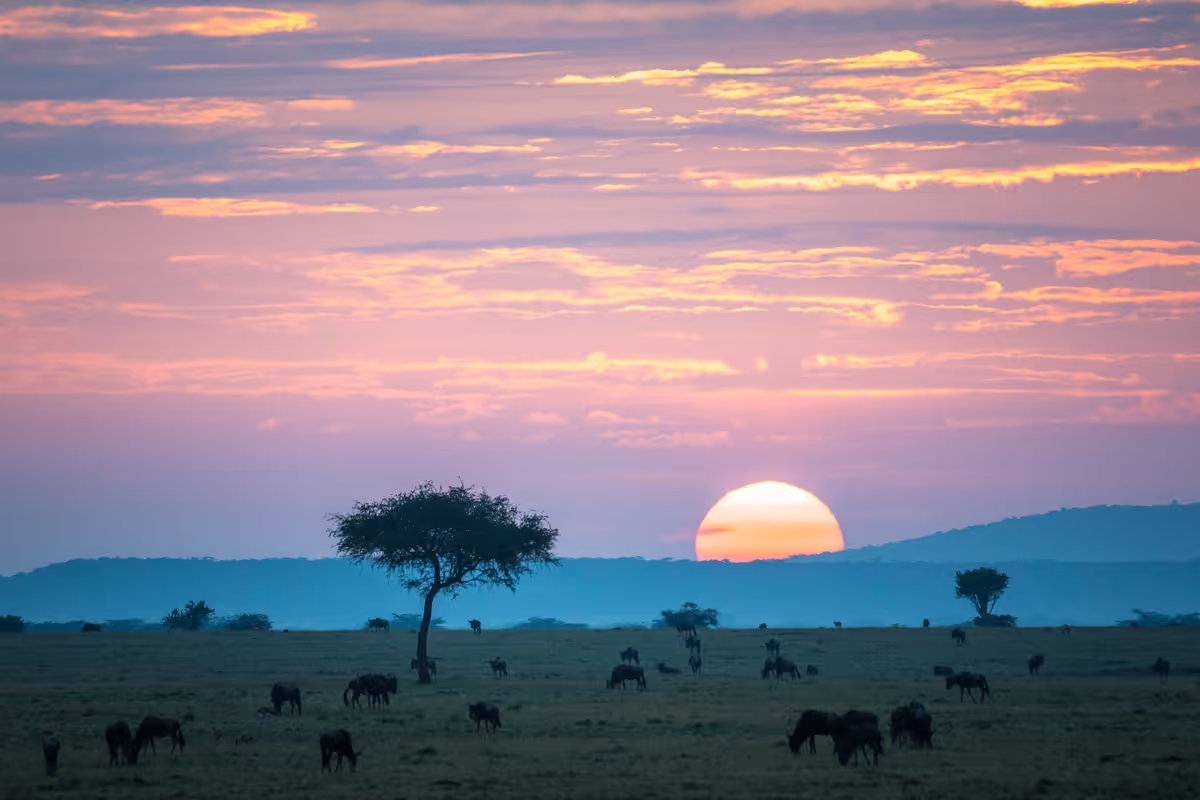


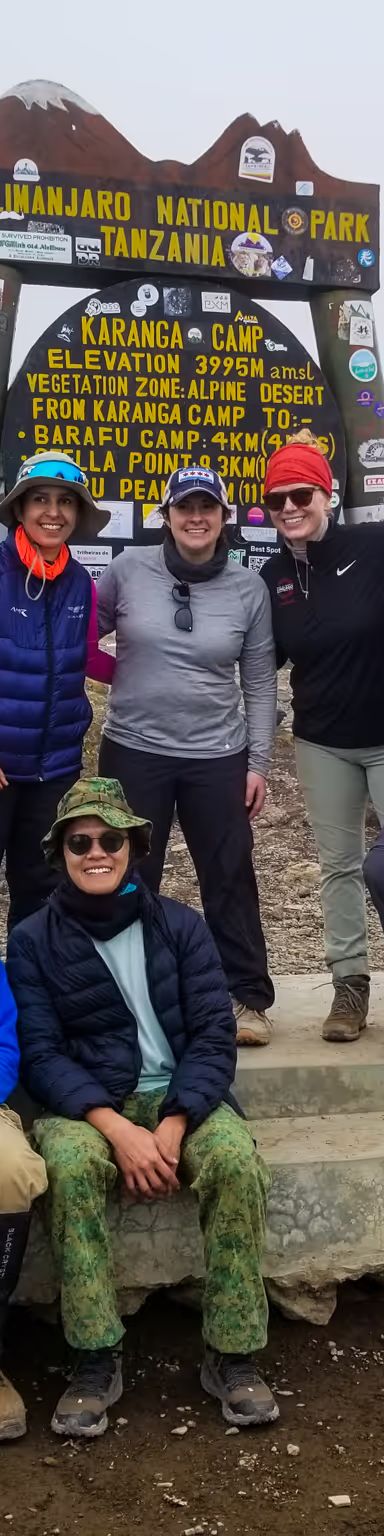
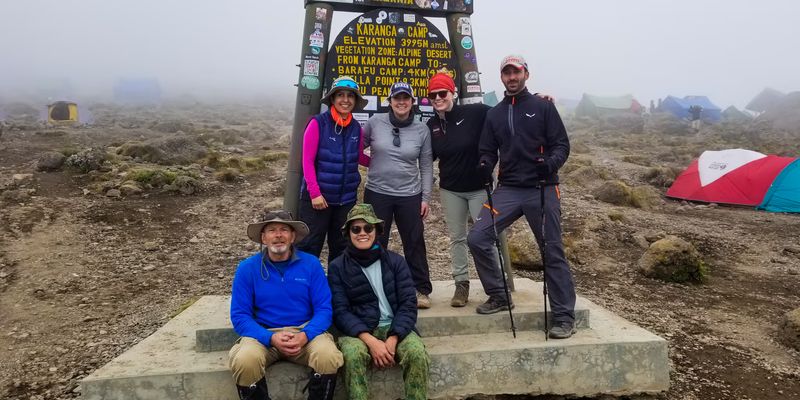




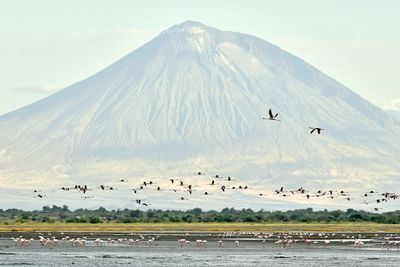
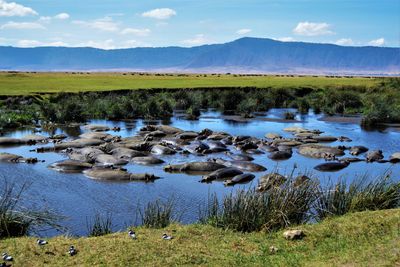
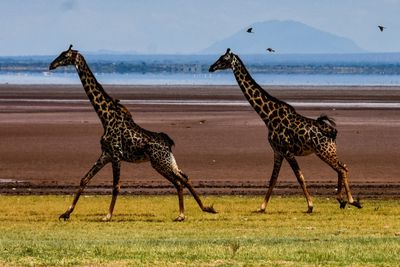
Tanzania is arguably the best country in the world for a safari. Firstly, it has one of the highest animal concentrations, especially when it comes to the Big Five. Its enormous game parks are pristine and gorgeous, and include famous wonders like Ngorongoro Crater and Mt Kilimanjaro. And then there's the Great Migration, which is a show-stopping journey of millions of wildebeests, zebras and antelopes across dangerous rivers and seemingly endless savannah.
Book a call with us, and our team will answer any questions you might have.
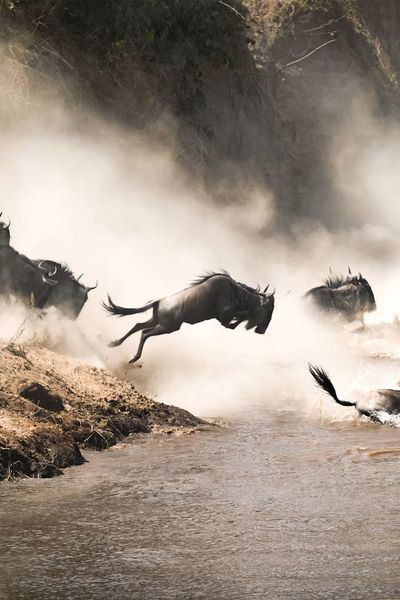
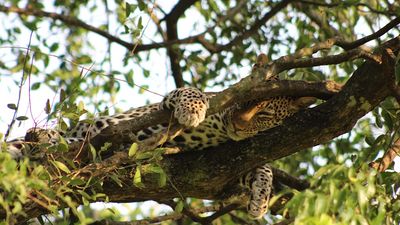
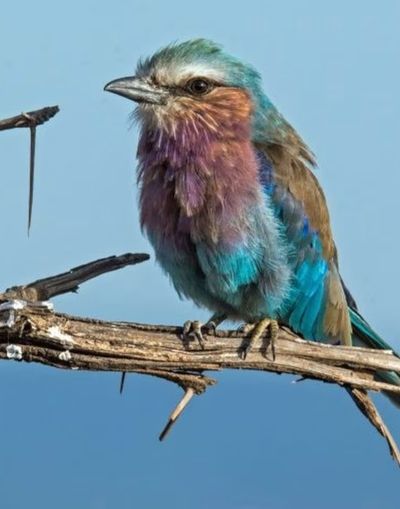
Our exciting Tanzania safaris take you to the best game-viewing places in the north of the country. All include a visit to the incomparable Serengeti and Ngorongoro Crater. The short itinerary is a favourite among our Kilimanjaro climbers, who add it to the end of their trip as a reward for summiting Africa's highest mountain! Our longest itinerary is perfect for anyone wanting to explore the more off-the-beaten-path parts of northern Tanzania and includes a challenging overnight volcano climb!
Here's what you need to know logistically to plan a trip to Tanzania, from the best seasons to visa requirements.

Swahili, English

Tanzanian shilling (TZS)

Most visitors fly into Kilimanjaro International Airport (JRO) via Kenya's Jomo Kenyatta International Airport (NBO) in Nairobi or Julius Nyerere International Airport (DAR) in Dar es Salaam. You can also fly into Arusha Airport (ARK), a regional airport that also brings you close to both Mt Kilimanjaro and the game parks of the Northern Circuit.

Tanzania's national parks are open all year round, and each season has its pros and cons.
That said, the long dry season (mid June to October) is considered by many as the optimal safari season. This is because the days are a bit cooler, there's little chance of rain, and the dry landscape makes animal spotting that much easier (because the foliage doesn't cover animals, and they're also forced to congregate around water sources).
The short dry season (January to mid March) is also a great time if you like lush landscapes, love birds, and would enjoy being present for the calving season.
Please read Best time for safari in Tanzania if you'd like to know more.


A Tanzanian tourist visa is valid for up to 90 days. It costs US$50 for foreigners, and US$100 for US citizens. But a visa isn't required for nationals from around 50 countries worldwide, including South Africa, Kenya, Hong Kong, Singapore, China, India, Brazil and Turkey. Learn more here.

There are no mandatory vaccines for entry into Tanzania.
Please note that some parts of Tanzania have malaria and tsetse flies (which can cause sleeping sickness). You may wish to take precautions against these. It's also always a good idea to be vaccinated against rabies, especially when travelling anywhere rural.
You can learn more in Your Tanzania travel questions answered.



We’re one of the only travel companies worldwide with perfect 5* reviews
Our dedicated travel consultants make adventuring easy for you by taking away all of the admin. Your only jobs are to train for the adventure if necessary and then pack your bags!
Our local guides look after you in every way. Our goal is to give every traveller the feeling you get when a friend is showing you their country.

On average, over 70% of your trip price stays in the local economy. It's important to us that the visited communities benefit the most since they're the ones hosting travellers.

















Yes, most travellers need a visa to enter Tanzania. There are two ways to get one:
Please note: Tanzanian embassies no longer issue visas. Although the visa on arrival is available, it’s best to apply online to avoid potential delays.
You can apply through the official Tanzania Immigration website. Be sure to check if your nationality is listed under the referral visa category before applying.
Yes, most travellers need a visa to enter Tanzania. There are two ways to get one:
Please note: Tanzanian embassies no longer issue visas. Although the visa on arrival is available, it’s best to apply online to avoid potential delays.
You can apply through the official Tanzania Immigration website. Be sure to check if your nationality is listed under the referral visa category before applying.

There are no specific vaccine requirements for visitors to Tanzania.
However, for travel to Tanzania, it’s recommended to be up to date on routine vaccinations like MMR, polio, and tetanus.
Hepatitis A and typhoid are advised for most travellers, especially if visiting rural areas. Hepatitis B and rabies may be needed depending on your activities.
Yellow fever vaccination is only required if you're arriving from a country where it's present - this is when a yellow fever certificate is required. Malaria is a risk, so anti-malarial medication is strongly recommended.
Speak to your travel doctor 4–6 weeks before your trip.
There are no specific vaccine requirements for visitors to Tanzania.
However, for travel to Tanzania, it’s recommended to be up to date on routine vaccinations like MMR, polio, and tetanus.
Hepatitis A and typhoid are advised for most travellers, especially if visiting rural areas. Hepatitis B and rabies may be needed depending on your activities.
Yellow fever vaccination is only required if you're arriving from a country where it's present - this is when a yellow fever certificate is required. Malaria is a risk, so anti-malarial medication is strongly recommended.
Speak to your travel doctor 4–6 weeks before your trip.
We feel Tanzania is by far the better option. This is because most – in fact, almost all – of the Great Migration takes place in Tanzania, not Kenya. Further, the chaotic river crossings of the migration herds take place in Tanzania, not Kenya.To learn more, please read Kenya vs Tanzania – which offers the better African safari?
Tanzania is one of the safest countries in Africa, ranked 12th on the continent’s Global Peace Index. It’s also incredibly welcoming; most visitors find the local people warm, helpful, and kind.
Of course, like anywhere, it’s wise to stay alert, follow local advice, and take basic precautions, especially in cities or unfamiliar areas.
Tanzania is one of the safest countries in Africa, ranked 12th on the continent’s Global Peace Index. It’s also incredibly welcoming; most visitors find the local people warm, helpful, and kind.
Of course, like anywhere, it’s wise to stay alert, follow local advice, and take basic precautions, especially in cities or unfamiliar areas.
For most travellers, a guided safari is the best choice. You don’t have to worry about hiring a vehicle or finding the wildlife; the driver-guide takes care of everything. They’re experts at spotting animals and love sharing stories about the park and its creatures, making your safari more enjoyable and stress-free.
On the other hand, self-drive safaris are better suited to experienced drivers who feel confident handling a 4x4 and have thoroughly researched safe safari practices.
This is a hard question to answer. The longer you spend on safari, the more animals you'll see, and the greater the variety you're likely to spot. If you're hoping to spot the Big Five, for instance, one day probably won't cut it. But if you give yourself four to five days, you might well manage it.
What we can say is that you need to factor in travelling times when heading on safari. For instance, from Kilimanjaro International Airport (gateway to the Northern Circuit), you can reach reserves like Arusha National Park and Lake Manyara National Park within hours and go on safari that same day. But Serengeti National Park, on the other hand, is quite a drive, so you should factor in a day of travel each way. Fortunately, the drive to Serengeti takes you past Ngorongoro Crater, which is a MUST, as well as some other attractions worth a visit, like Olduvai Gorge.
Please chat to us for advice on how long it will take based on what you want to see and where you want to go.
The Serengeti is incredible all year-round, but the best time depends on what you want to see.
Each season offers something unique, so you really can’t go wrong.
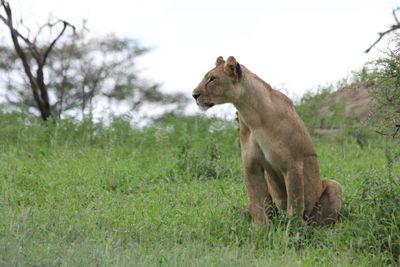
The Big Five refers to five great African animals: lion, leopard, elephant, buffalo, and black rhino. Big-game hunters originally used the term to describe the five most difficult animals to hunt on foot — but today, it’s all about spotting them on safari.
Seeing all five in one trip is a dream for many travellers, and Tanzania’s top parks, like the Serengeti and Ngorongoro Crater, offer some of the best chances to tick them all off your list.

Follow Alice Tours (T) LTD is registered in Tanzania and holds all the necessary licences to run Kilimanjaro climbs and safaris.