




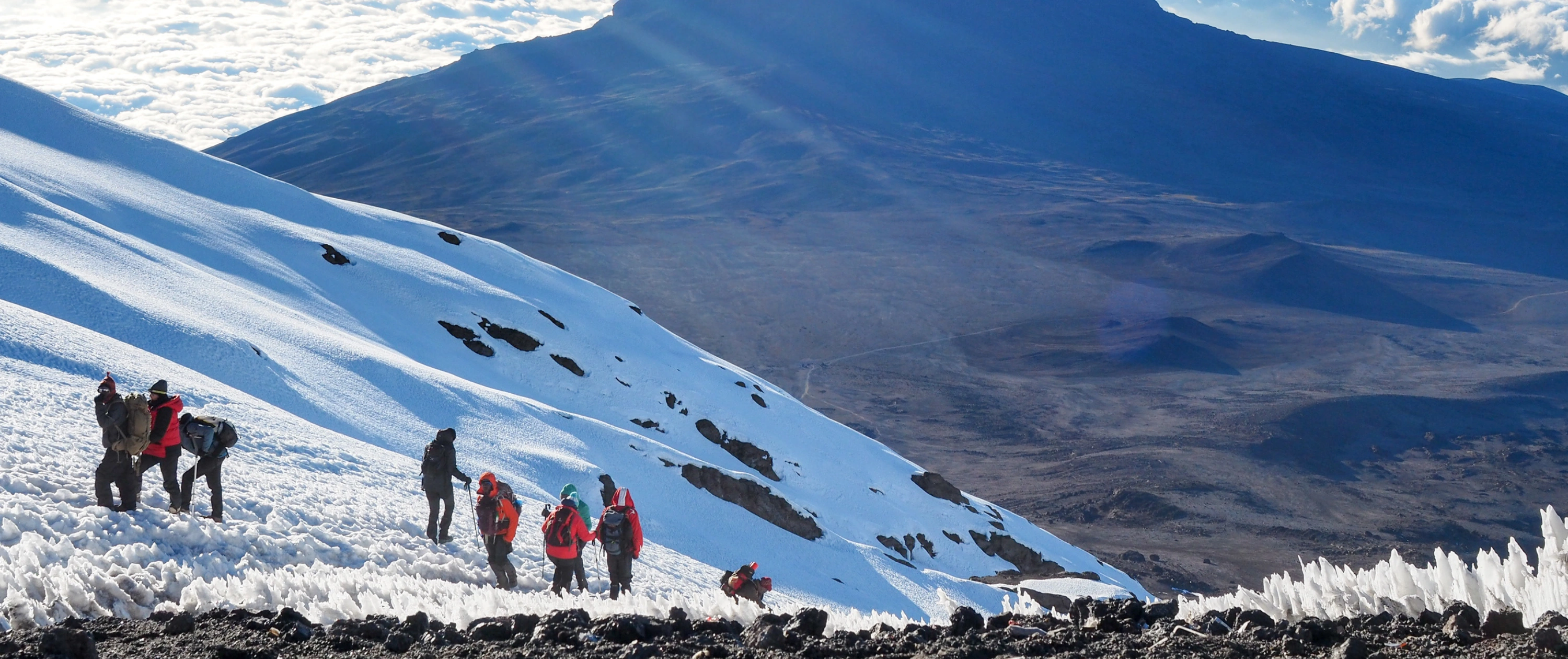



Climbing Kilimanjaro is one of those adventures that draws you in long before you lace up your boots. The idea of being high above the African plains, looking out at clouds that sit below you, is something that stays with you from the moment you decide to climb Kilimanjaro.
The mountain is huge but gentle, dramatic yet surprisingly peaceful, and each route offers a different way of understanding its character. Two of the most appealing options for trekkers when comparing Kilimanjaro climbing tours are the Rongai Route and the Northern Circuit Kilimanjaro itinerary.
Both routes attract trekkers who want quieter trails and a more natural rhythm to the journey. Both reveal sides of the mountain that most visitors never see, and both allow you to climb Kilimanjaro without the intensity of the busier southern routes.
Before you start comparing them closely, it helps to understand the time, preparation, and mindset that go into a climb. Many trekkers planning to climb Kilimanjaro for the first time start with the basics, and a good place to begin is our Kilimanjaro packing list, which covers essential gear for every route.
With that foundation, let’s look at how each route feels, what you’ll see along the way, and how to decide between them.
Overview of the Rongai Route
The Rongai Route is one of the calmest and least crowded ways to climb Kilimanjaro. Starting near the Kenyan border, this approach leads you up the mountain from a drier, gentler side that feels very different from the lush forests found on the southern slopes. If you picture long walks through open countryside, light forest, and peaceful moorland, this route may be your ideal match.
Trekkers who prefer a measured pace often compare the Rongai Route to other Kilimanjaro climbing tours and choose it for its simplicity. The atmosphere is quiet, the scenery is softer, and the experience feels surprisingly personal.
What the scenery is like
The early days move through farmland and pine forest before rising into wide stretches of heath. The air feels drier, the colours shift to muted earth tones, and you begin to see the vastness of the northern side of the mountain. It’s very different from the busier Marangu or Machame trails.
Rongai also gives you regular chances to spot wildlife in the forest zone. Colobus monkeys, small antelopes, and a variety of bird species often appear along the way. If you’re curious about which species live at different altitudes, our guide to the animals on Kilimanjaro offers a deeper look.
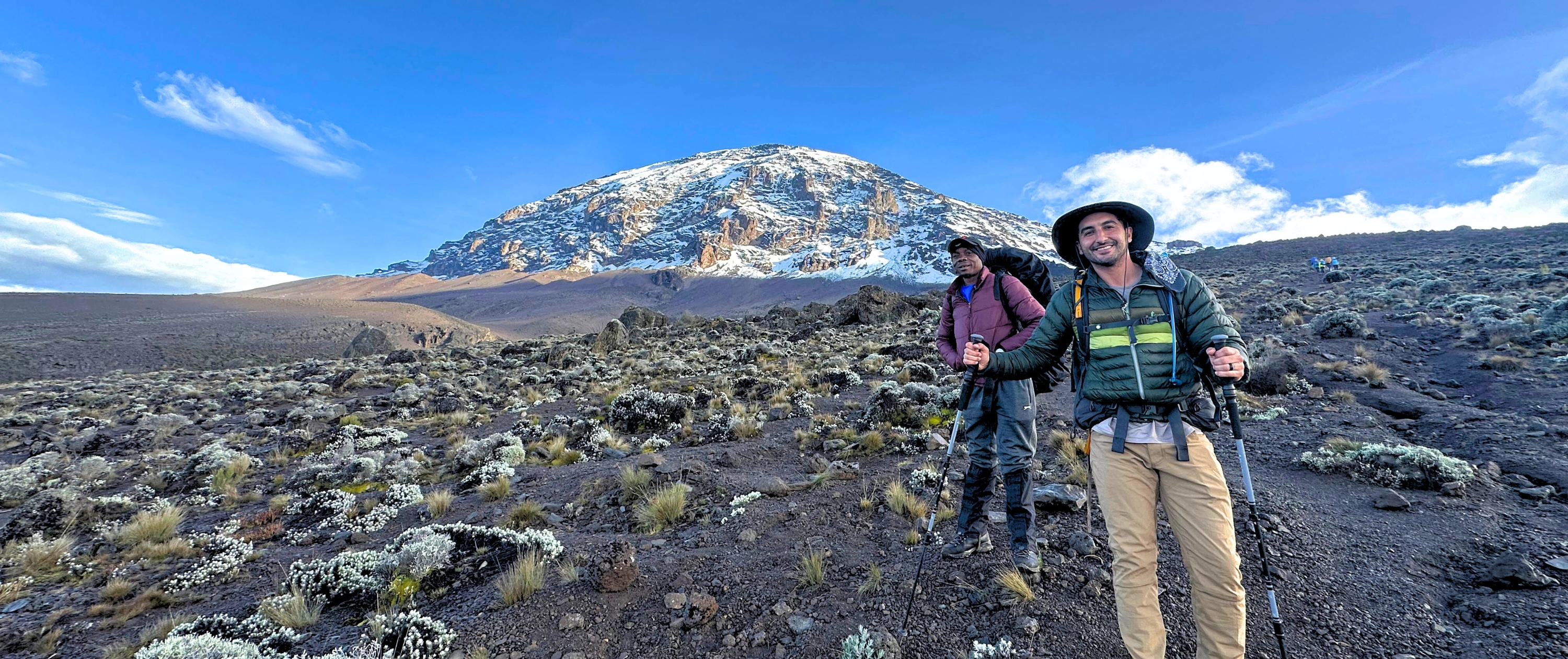
Higher up, the land becomes stark and open. The saddle between Mawenzi and Kibo is one of the most impressive landscapes you’ll encounter while you climb Kilimanjaro. It’s wide, wind-shaped, and gives you a dramatic sense of how ancient the mountain really is.
What the trekking experience feels like
The Rongai Route is known for being calm and steady, so it's a good choice for people who want a climb up Kilimanjaro that they have confidence in. Camps are quiet, the trails are wide, and the daily hours of walking are manageable. This route also appeals to trekkers researching how long would it take to climb Kilimanjaro if they prefer a shorter schedule. Most Rongai itineraries take six or seven days, which is one of the shorter options available. It's ideal for hikers who want to go at a comfortable pace without having to stick to a long schedule.
For a full breakdown of the route, you can read the detailed overview here: Rongai Route.
Overview of the Northern Circuit Kilimanjaro Route
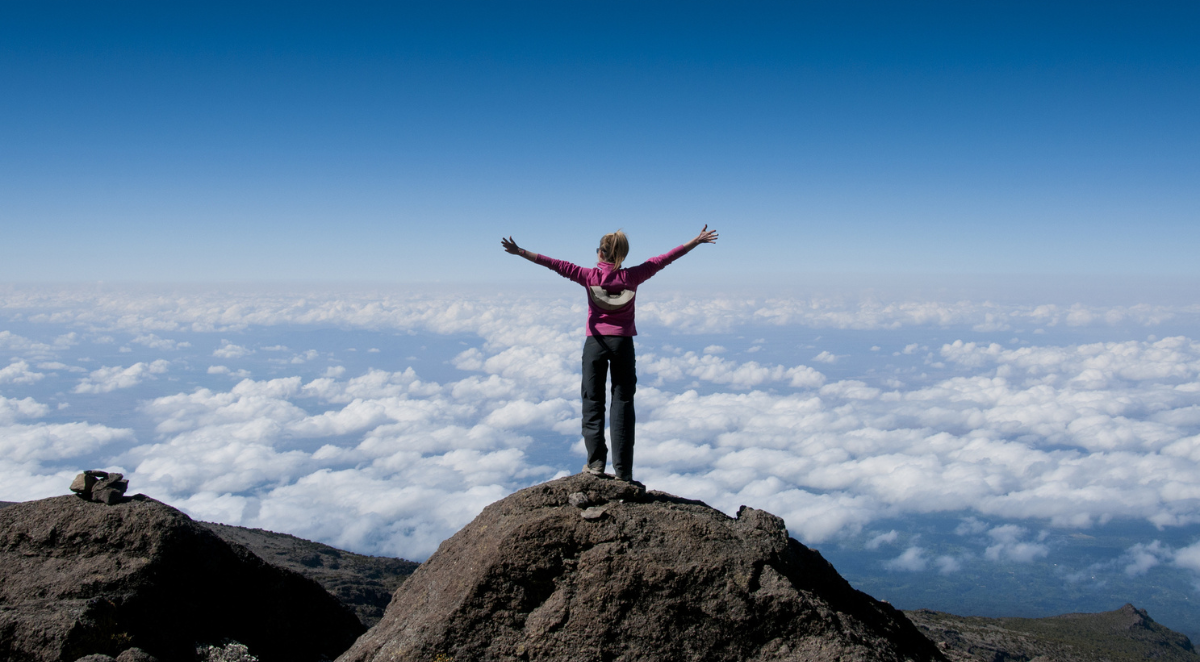
If you’d like your climb Kilimanjaro journey to feel immersive, varied, and spacious, the Northern Circuit Kilimanjaro route might be the perfect choice. It's the longest route on the mountain and widely considered the best acclimatisation trail. Trekkers who choose it often do so because they want the time to take everything in, from dense forest and rocky ridges to remote northern valleys.
The Northern Circuit is well-loved among trekkers exploring different Kilimanjaro climbing tours because it offers both variety and exceptional summit success rates. With eight or nine days on the mountain, your body adjusts slowly and effectively.
What the scenery is like
You begin on the Lemosho side, walking beneath tall, moss-covered trees in the rainforest zone. It’s one of the most atmospheric forests on Kilimanjaro. As you climb higher, the forest thins into open meadows and volcanic ridges. The northern flank of the mountain feels remote and untouched, with long views across the plains of Kenya.
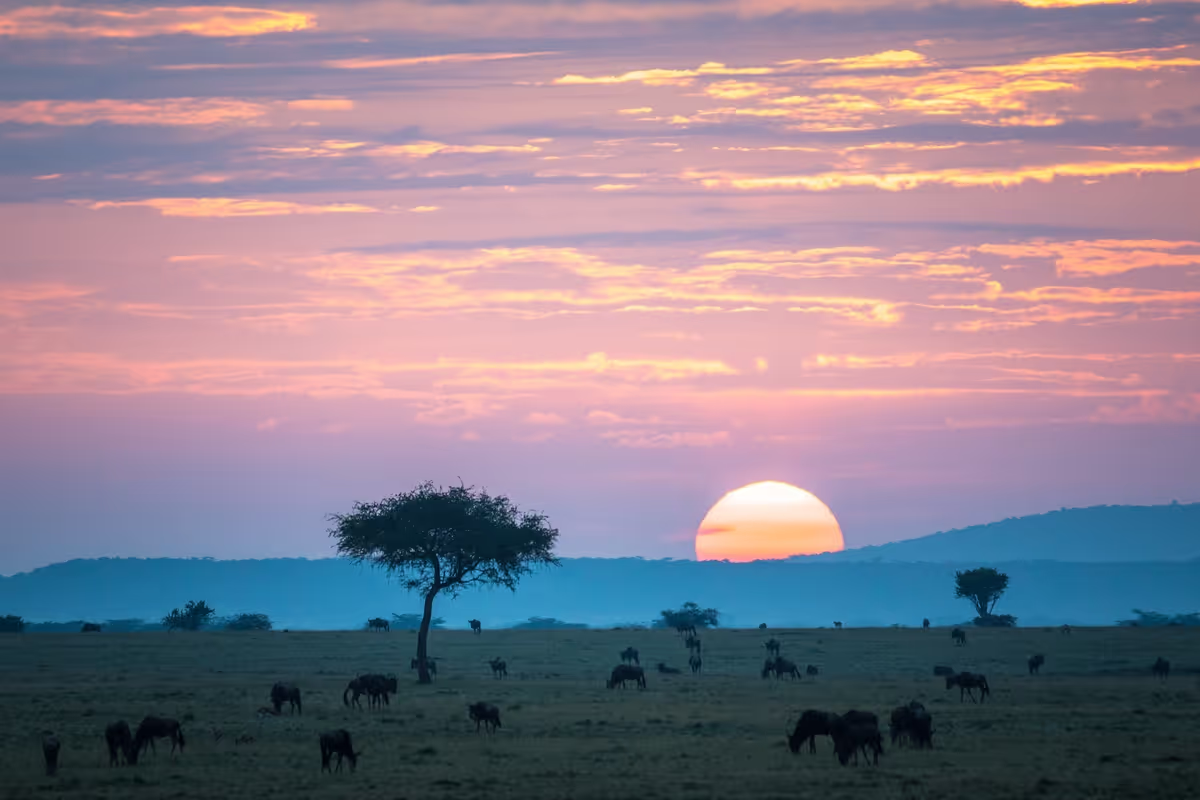
This route gives you some of the best sunsets on Kilimanjaro. The light changes slowly over the high plateau, and the stars appear sharp and bright in the night sky. It’s a landscape that rewards slow, steady days.
For a close look at each stage of the journey, read our full route guide: Northern Circuit Route.
The experience of walking the circuit
The Northern Circuit Kilimanjaro climb is long but comfortable. You gain altitude in small steps, giving your body time to adjust. Most days involve gentle ups and downs rather than steep climbs, making the journey feel balanced.
This route is an excellent match for trekkers asking how long would it take to climb Kilimanjaro if they want the most comfortable experience possible. The slow progression helps your body adapt, and it gives you the time to enjoy everything around you.
Key Differences Between Rongai and Northern Circuit
The Rongai Route and the Northern Circuit may share a peaceful feel, but they offer very different experiences. Their length, scenery, atmosphere, and acclimatisation profiles all influence which climb Kilimanjaro journey suits you best.
1. Acclimatisation and summit success
The Northern Circuit is widely regarded as the strongest route for acclimatisation. Because you spend eight or nine days ascending gently, your body adapts well to the altitude. This leads to excellent summit success rates.
Rongai also offers good acclimatisation, but the shorter itinerary makes the altitude changes slightly more noticeable. Trekkers who want more time usually lean towards the Northern Circuit Kilimanjaro path.
To compare routes more broadly, you can explore: All Kilimanjaro routes ranked in terms of acclimatisation.
2. Trail atmosphere and crowds
Rongai:
- Very quiet throughout.
- Gentle scenery with soft colours.
- A consistent, predictable trail.
Northern Circuit:
- Extremely remote.
- Wide variety of landscapes.
- A feeling of circling the entire mountain.
3. Duration of the climb
Rongai:
- The climb typically takes six to seven days.
Northern Circuit:
- The Northern Circuit typically takes eight to nine days.
If you’re choosing a climb Kilimanjaro route that fits a tight schedule, Rongai is the better match. If you prefer slow adaptation and longer days on the mountain, the Northern Circuit Kilimanjaro route is ideal.
4. Scenery and environment
Rongai is dry, with lighter forests and open heath. The Northern Circuit moves through rainforest, moorland, alpine desert, and remote northern slopes. It’s the more varied of the two.
5. Difficulty level
Both are moderate routes. Rongai is easier in terms of daily gradients, while the Northern Circuit is easier in terms of altitude adjustment.
If you’d like a broader comparison, you can explore which Kilimanjaro route is the easiest.
Choosing the Right Route for Your Climb
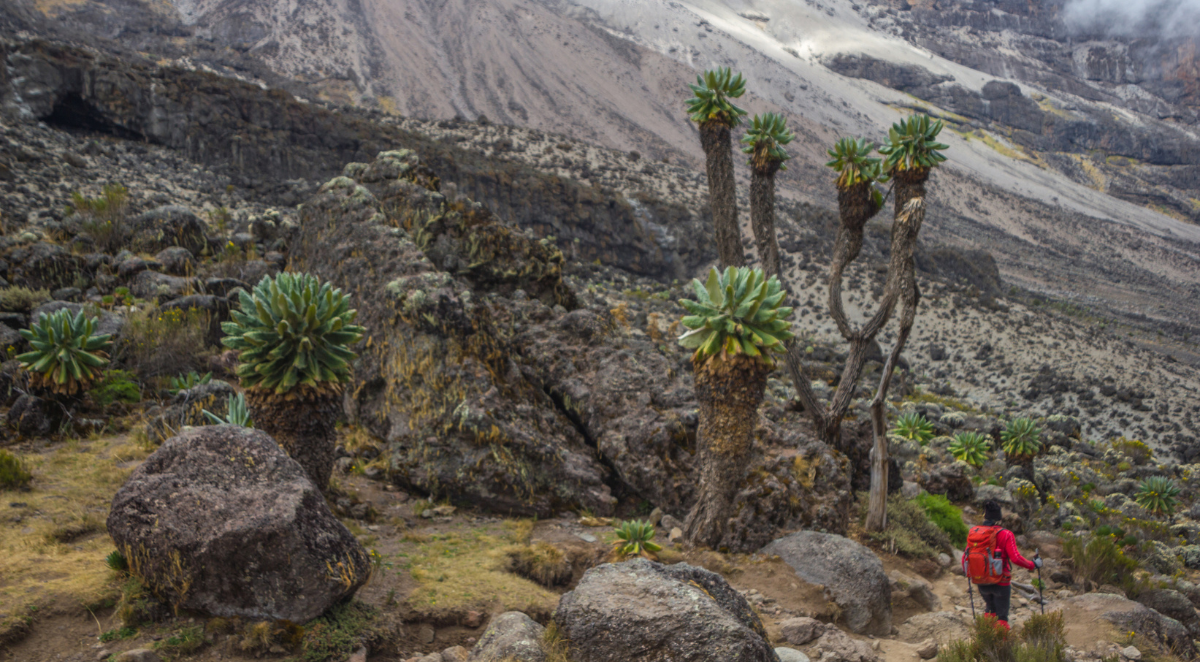
It's much easier to choose your Kilimanjaro climb itinerary once you know how each route feels. Think about your pace preferences, your comfort at altitude, and the kind of landscapes you enjoy most.
Choose Rongai if you want:
- A quiet, uncrowded route.
- A dry and predictable trail.
- A shorter climb Kilimanjaro schedule.
- Calm scenery and easy walking days.
- A straightforward introduction to the mountain.
For more detail, explore: Rongai Route details.
Choose the Northern Circuit if you want:
- The best acclimatisation.
- A long, scenic journey.
- Remote landscapes.
- A gentle approach to altitude.
- Higher summit success chances.
You can explore the full itinerary here: Northern Circuit details.
Preparing for your climb
Training plays a huge part in how enjoyable the journey feels. Kilimanjaro isn’t technical, but altitude affects everyone differently. If you’re unsure where to start, our training guide covers the essentials: What is the best training for Kilimanjaro?
Which Kilimanjaro Route Fits Your Adventure Style?
You'll remember climbing Kilimanjaro for a long time after you leave the mountain. The Rongai Route offers simplicity, calm, and a shorter path to the summit. The Northern Circuit Kilimanjaro journey brings variety, time, and a slow rhythm that suits trekkers who want the most immersive experience possible. The best route is the one that aligns with your pace, your goals, and how you imagine the mountain. Climbing Kilimanjaro from either side will give you something to remember, whether you imagine quiet, open landscapes or a long trip around its northern flank.
Both paths lead you to Uhuru Peak, but the story of how you get there is yours to choose.