






Mount Kilimanjaro, standing at 5,895 metres, is not only Africa’s highest peak but also the tallest freestanding mountain on Earth. Of its seven ascent routes, two have earned legendary status among trekkers: Lemosho and Machame. The western Lemosho is celebrated for its wilderness approach, while the southern Machame is famed for its drama and directness. Together, they capture the essence of what makes climbing Africa’s highest mountain such an unforgettable adventure.
Each offers a classic Kilimanjaro journey, beginning in the rainforest, crossing into the alpine desert, and ending on a high ridge with beautiful summit views. Both follow a solid ‘climb high, sleep low’ acclimatisation profile, yet they differ in pace, length, popularity, and the overall feel of the trek.
In this detailed comparison of the Lemosho vs Machame route on Kilimanjaro, we draw on the latest data and trekking insights. Follow Alice will explore success rates, difficulty levels, scenery, crowding, route length, and overall trekking experience to help you decide which trail best matches your goals and ability. Schedule a call with us, and we are happy to answer any questions regarding routes to summit Kilimanjaro.
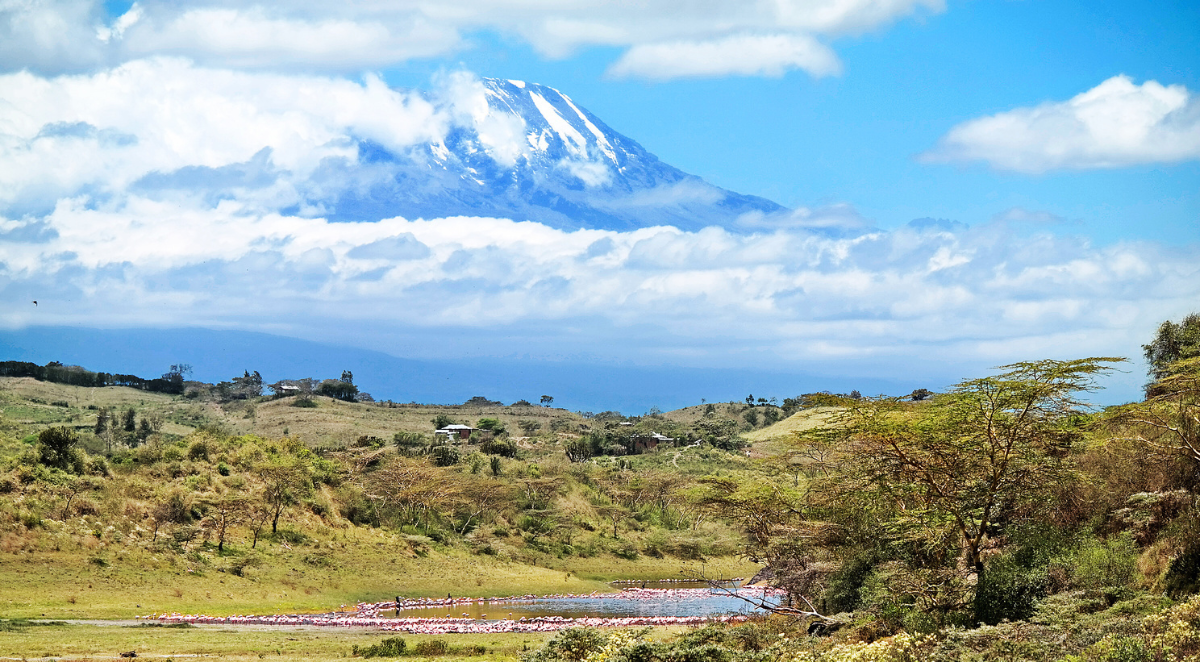
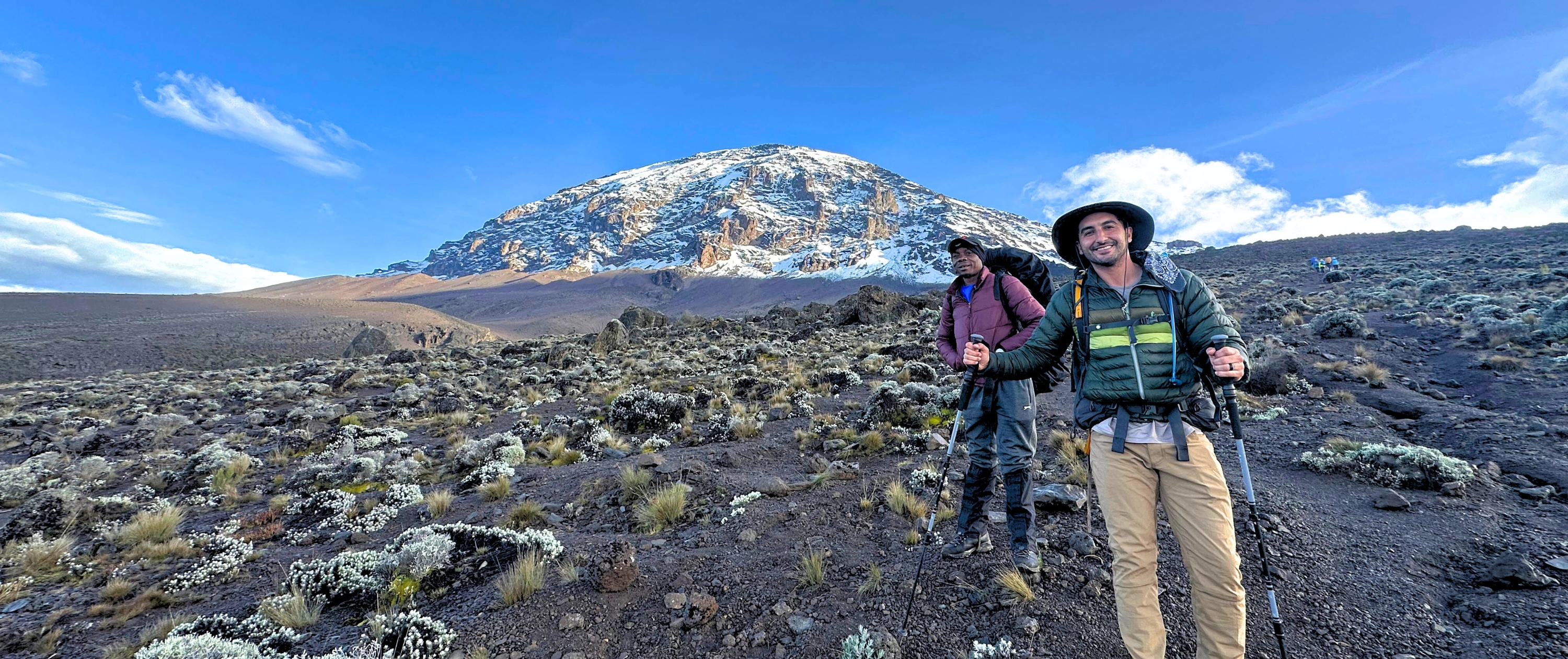
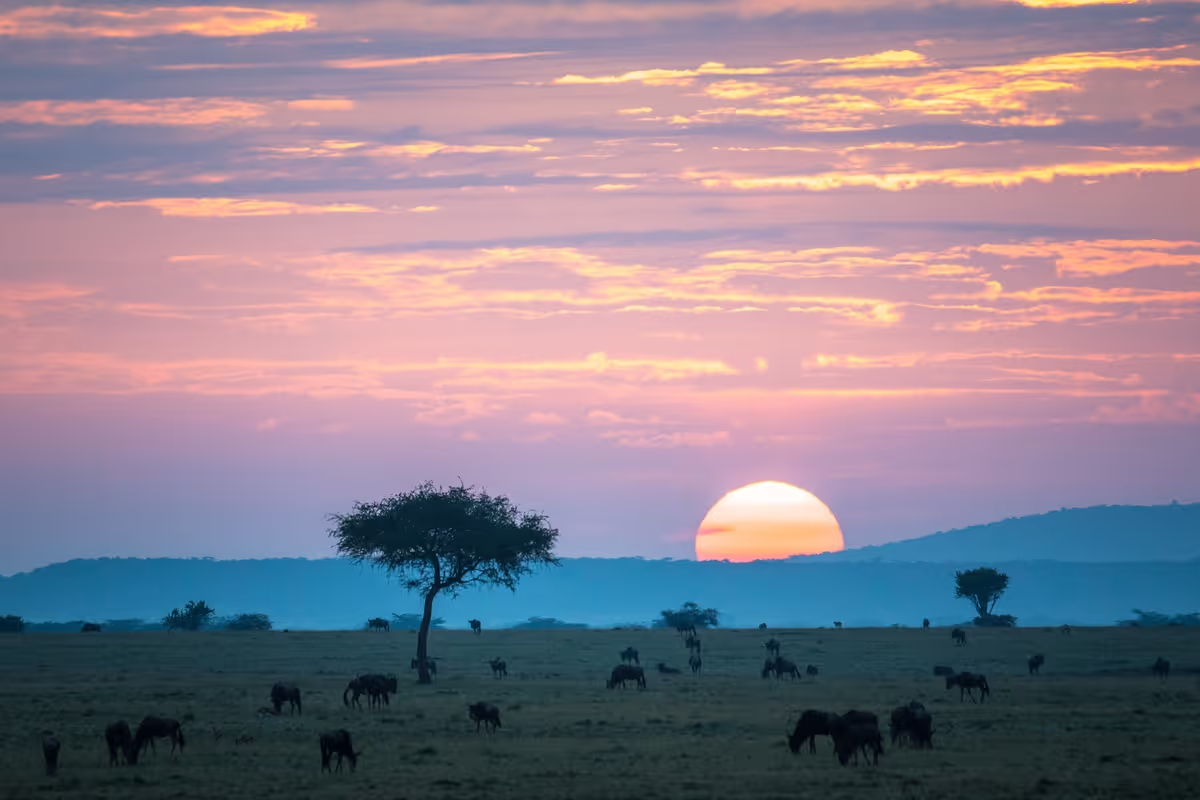
A beautiful view of Mount Kilimanjaro in the distance.
Learn more: The ultimate Kilimanjaro packing list (+ free PDF)
Lemosho Route vs Machame Route
The Lemosho Route begins on Kilimanjaro’s remote western flank at Lemosho Gate. The trail sets off quietly through lush rainforest, leading to Mti Mkubwa Camp, before opening onto the wide, scenic Shira Plateau. These first days feel wilder and more remote, with far fewer trekkers on the path. The gradients are long and gradual, giving the body time to adapt to altitude early on. This combination of solitude and gentle pacing is a big part of what makes the Lemosho route difficulty more manageable for many climbers.
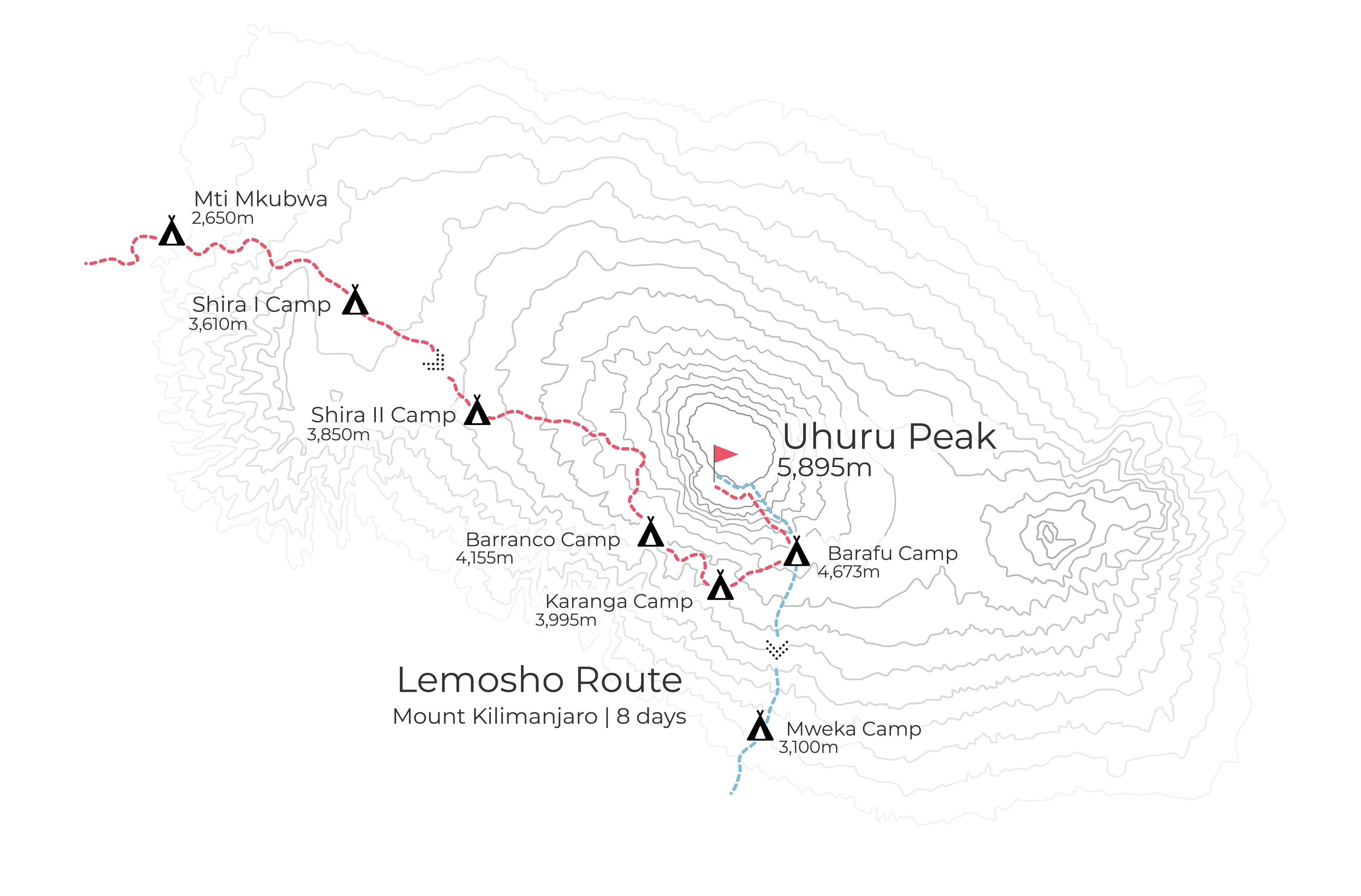
Map of the 8‑Day Lemosho Route on Mount Kilimanjaro.
The Machame route, by contrast, starts at Machame Gate on the southern slopes. The forest here is thicker, and the trail climbs more steeply to reach Machame Camp on the first night. By day two, trekkers emerge onto the Shira Plateau and join the mountain’s main flow of climbers. The opening feels punchier and more direct, making the Machame route difficulty a little higher at the outset, but also more immediately rewarding with beautiful scenery.
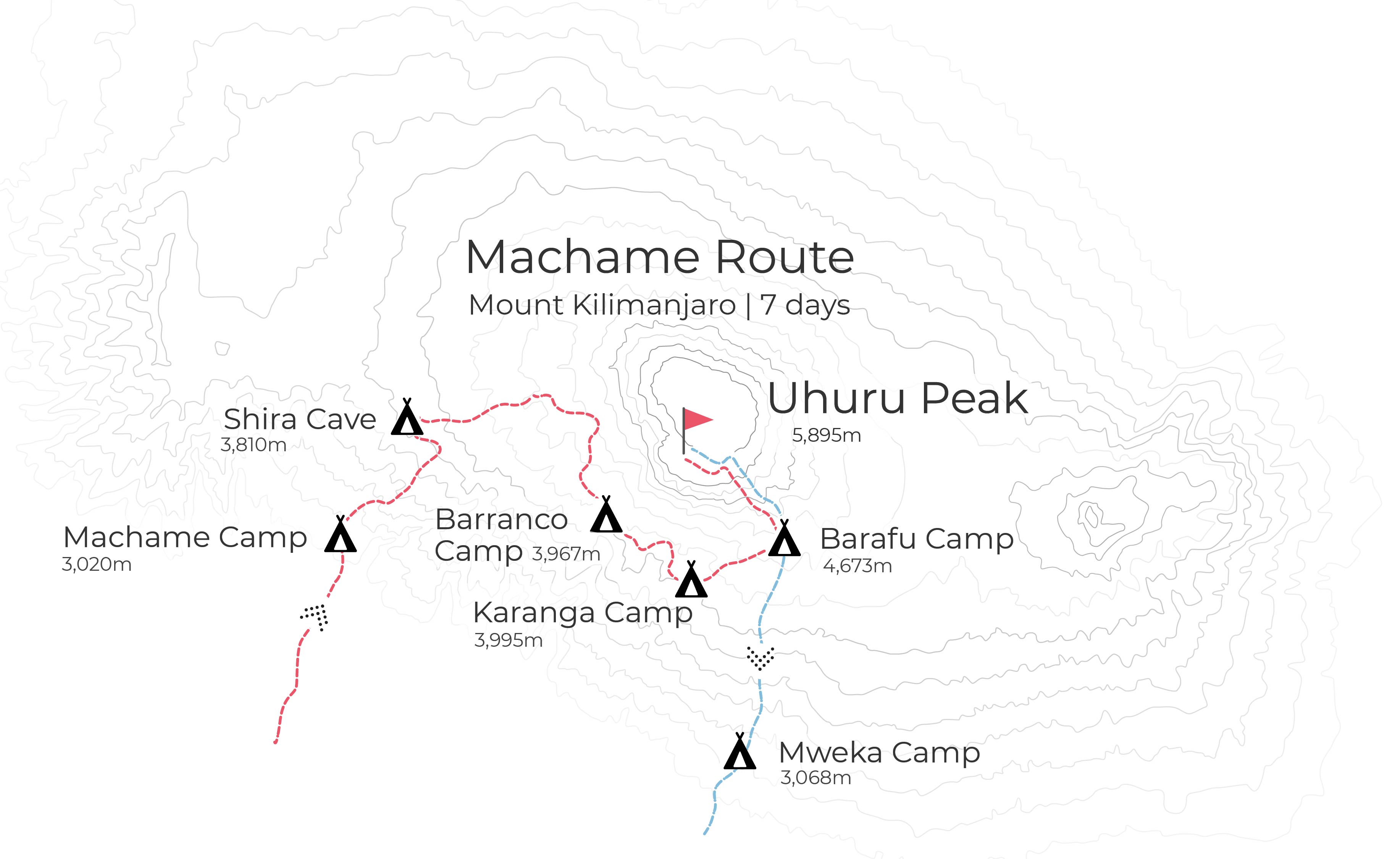
Map of the 7‑Day Machame Route on Mount Kilimanjaro.
Learn more: How much does it cost to climb Kilimanjaro?
Where the routes meet
After Shira, the Lemosho and Machame routes merge and follow the same trail along the spine of the Southern Circuit. This shared path winds past main landmarks such as Lava Tower, Barranco Valley, Karanga Camp, and Barafu Camp, before tackling the summit push via the eastern crater rim and descending along the Mweka route. Distances vary slightly, but from Shira onward the daily milestones align.
Total distance and typical duration
- Machame route: roughly 62 km over 6 to 7 days.
- Lemosho route: roughly 70–71 km over 7 to 9 days.
The extra day or two built into the Lemosho itinerary is one of the main reasons it reports a higher summit success rate compared to Machame. The extra time supports gradual acclimatisation, helping more climbers adjust to the altitude.
In summary, when considering the Lemosho Route vs the Machame Route, the choice often comes down to pace and experience. Lemosho offers more time, solitude, and higher success rates, while Machame is shorter, steeper at the start, and more social with larger groups of trekkers.
Learn more: Dwayne's Lemosho route Kilimanjaro journal
Lemosho or Machame Route success rate
While official park-wide success statistics by route or itinerary length are not published by the Tanzania National Parks Authority (TANAPA), trekking operators track their own results. Across the industry in 2025, a clear pattern emerges that longer itineraries consistently lead to higher summit success rates.
Operator-reported success ranges in 2025:
- 7-day Machame itineraries: 80–90 per cent summit success. Shorter 6-day trips see a significant drop, highlighting the strain of rapid altitude gain.
- 8-day Lemosho itineraries: 90–95 per cent summit success, aided by a gentler early ascent and an extra day for acclimatisation.
Why Lemosho tends to have higher success
The Lemosho route provides more gradual exposure to altitude, particularly between 3,500 and 4,200 metres on the Shira Plateau. This slower start allows climbers’ bodies to produce more red blood cells and adapt to lower oxygen levels before tackling the steep sections toward Lava Tower, Barafu, and ultimately Uhuru Peak.
Machame, by comparison, rises more sharply in the opening days, reaching higher elevations faster. While this makes the route feel more challenging, it can increase the risk of acute mountain sickness for climbers with limited acclimatisation time.
Choosing between the Lemosho and Machame routes ultimately depends on what you value most in a Kilimanjaro climb:
- If you can spare eight days on the mountain, the Lemosho Route gives you a statistically higher chance of summiting due to better acclimatisation.
- If your schedule is limited to seven days, the Machame Route remains a highly achievable and rewarding route, offering spectacular scenery and a classic Kilimanjaro experience.
By understanding these differences, trekkers can make informed choices and select the route that best fits their pace, fitness, and summit ambitions.

Trekking Mount Kilimanjaro will expose you to different landscapes.
Learn more: The seven different Kilimanjaro routes – pros and cons of each
Machame Route difficulty
The Machame Route is steeper from the start. Trekkers begin with a sturdy rainforest hike to Machame Camp, gaining elevation more quickly than on the western routes. By day two, you step onto the expansive Shira Plateau, where the terrain opens but daily distances remain challenging. One of the highlights and challenges of this route is the Barranco to Karanga section, which rises through rocky ridges and features the famous Barranco Wall.
This non-technical, hands-on scramble takes most groups 60 to 90 minutes and requires balance, focus, and careful footwork, particularly in wet or icy conditions. The Machame route is ideal for fit first-time trekkers who don’t mind a busier, social trail and prefer a more direct, energetic ascent. It also suits those who want to complete the climb in seven days, making it a strong option for travellers with limited time who still want a classic Kilimanjaro experience.

Sunset over Mount Meru as seen from Shira Cave Camp on the Machame Route of Mount Kilimanjaro.
Lemosho Route difficulty
Lemosho’s opening days are gentler, moving steadily from Mti Mkubwa through Shira 1 to Moir Hut/Shira 2. The gradients are gradual, and camp altitudes increase in smaller steps, allowing the body to adapt more comfortably to higher elevations. Trekkers are rewarded with wide panoramas over the Shira Plateau, sweeping moorlands, and quieter trails. This slower pace front-loads acclimatisation, reducing fatigue and the risk of acute mountain sickness in the early days.
Lemosho is perfect for those seeking a quieter, more reflective start, photographers chasing the dramatic western vistas, and anyone willing to dedicate an extra day for better acclimatisation. The route is particularly well-suited to trekkers who prioritise safety, gradual elevation gain, and a higher likelihood of summiting comfortably.
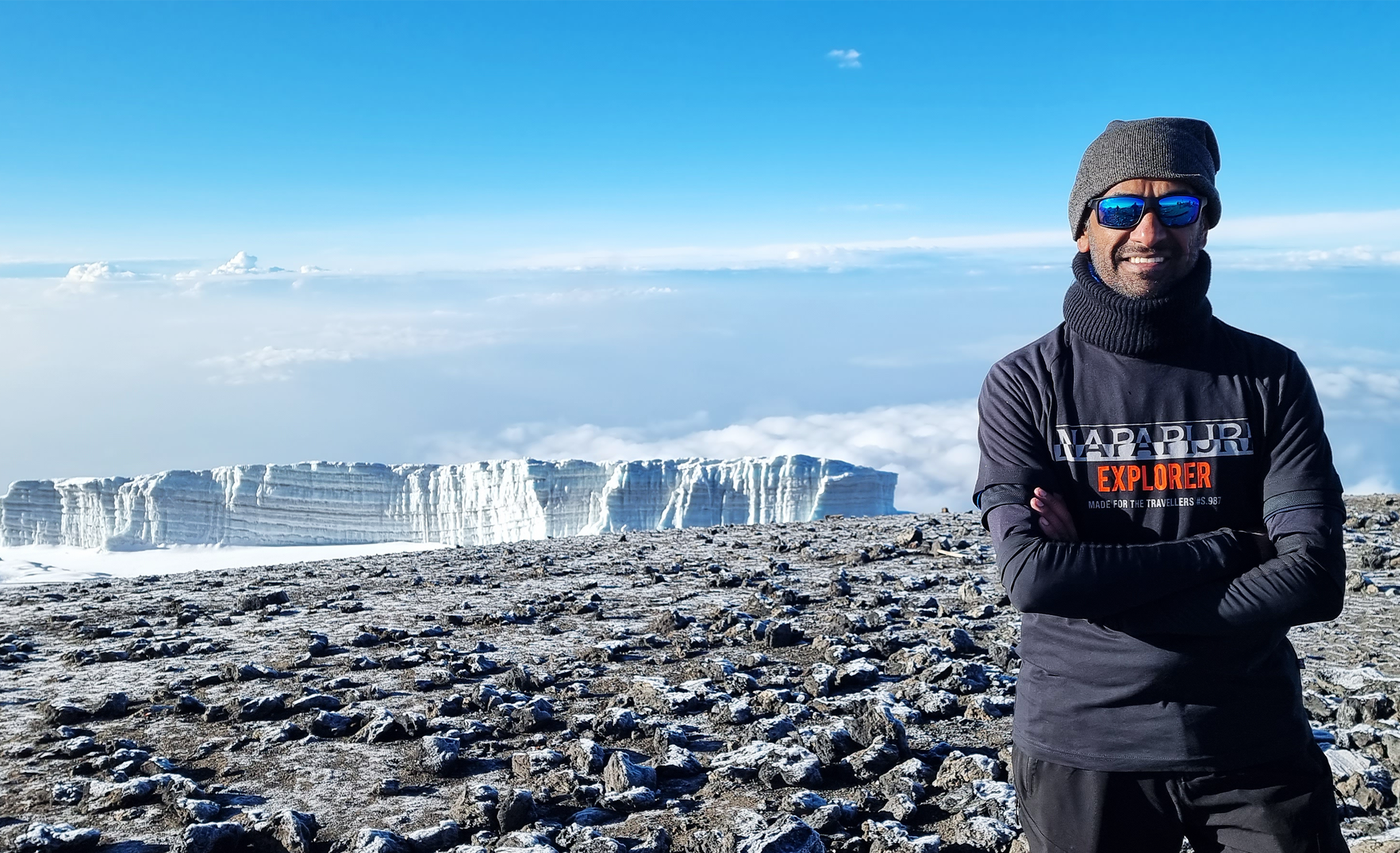
Trekker on the Lemosho Route of Mount Kilimanjaro.
Crowd patterns and seasons
The Machame Route is the busiest trail on Kilimanjaro, consistently drawing the largest share of climbers each year. This popularity means that certain sections, particularly the Barranco Wall, can become congested during peak months, and campsites may feel crowded in the evenings. By contrast, the Lemosho Route, while still a favourite, offers a quieter start. The first two to three days along the western flank are often blissfully serene, providing a sense of solitude and a more immersive wilderness experience. Even after both routes converge on the Shira Plateau, Lemosho generally remains less crowded than Machame, making it a preferred choice for trekkers seeking a more peaceful ascent.
When to go
The best times to climb Kilimanjaro are December to early March and June to October, when the mountain experiences the driest and most stable weather. Mid-March through May brings the long rains, which can make trails muddy and slippery, while short rains in November create intermittent wet conditions that can disrupt camping and trail conditions. For those looking to avoid both the crowds and the heavier rains, the shoulder months at the edges of these dry periods are ideal. During these times, trekkers can enjoy quieter trails, better visibility, and a calmer overall experience without compromising on weather conditions. Planning your trek around these quieter windows not only improves your experience but also allows for a more flexible schedule on the mountain, reducing the stress of crowded camps and long waits on popular sections.
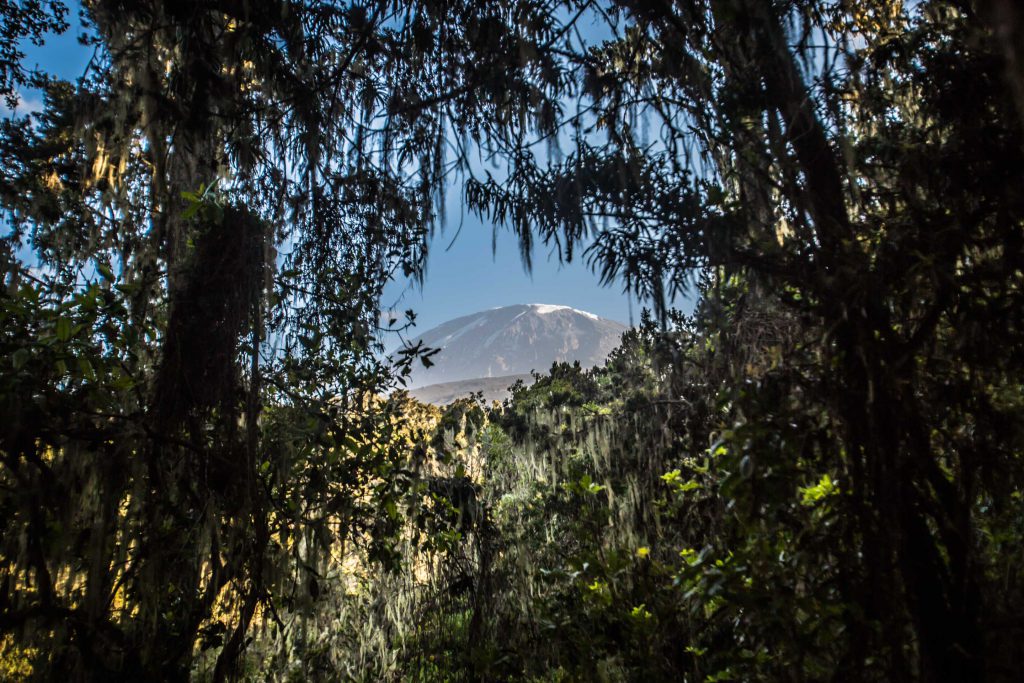
Lush rainforest along the lower slopes of Mount Kilimanjaro.
Learn more: Kilimanjaro vs Everest Base Camp: which is harder?
Acclimatisation
Both the Lemosho and Machame routes follow a similar pattern in the upper sections of Kilimanjaro, designed to maximise acclimatisation and reduce the risk of acute mountain sickness (AMS). From Shira Plateau onwards, trekkers experience the proven “climb high, sleep low” strategy, which is a great strategy of high-altitude success.
A good example is the day at Lava Tower (4,630 m), climbers ascend to this higher altitude during the day and then descend to Barranco Camp (3,967 m) to sleep, allowing the body to adjust gradually to thinner air. Subsequent nights follow a similar pattern, with Karanga Camp (3,995 m) and Barafu Camp (4,673 m) providing measured altitude gains before the final summit push to Uhuru Peak (5,895 m).
The difference between the two routes lies in the early stages below Shira. The Lemosho route gives climbers more time at 3,500–4,200 metres in the first few days, gently increasing camp altitudes and allowing the body to produce more red blood cells, expand lung capacity, and improve oxygen absorption. This gradual introduction to higher altitudes not only reduces fatigue but also improves the likelihood of a successful summit.
In contrast, the Machame Route reaches higher altitudes more quickly in the opening days. While this approach offers a faster, more direct climb, it can place more strain on the body and requires careful pacing to avoid altitude-related issues.
In essence, Lemosho provides a slower, more measured acclimatisation profile with smaller daily altitude jumps, while Machame’s faster pace offers a more intense early experience. Both routes use the same high-altitude strategy from Shira onwards, but Lemosho’s extra time in the lower-to-mid elevations makes a huge difference in comfort, safety, and summit success.
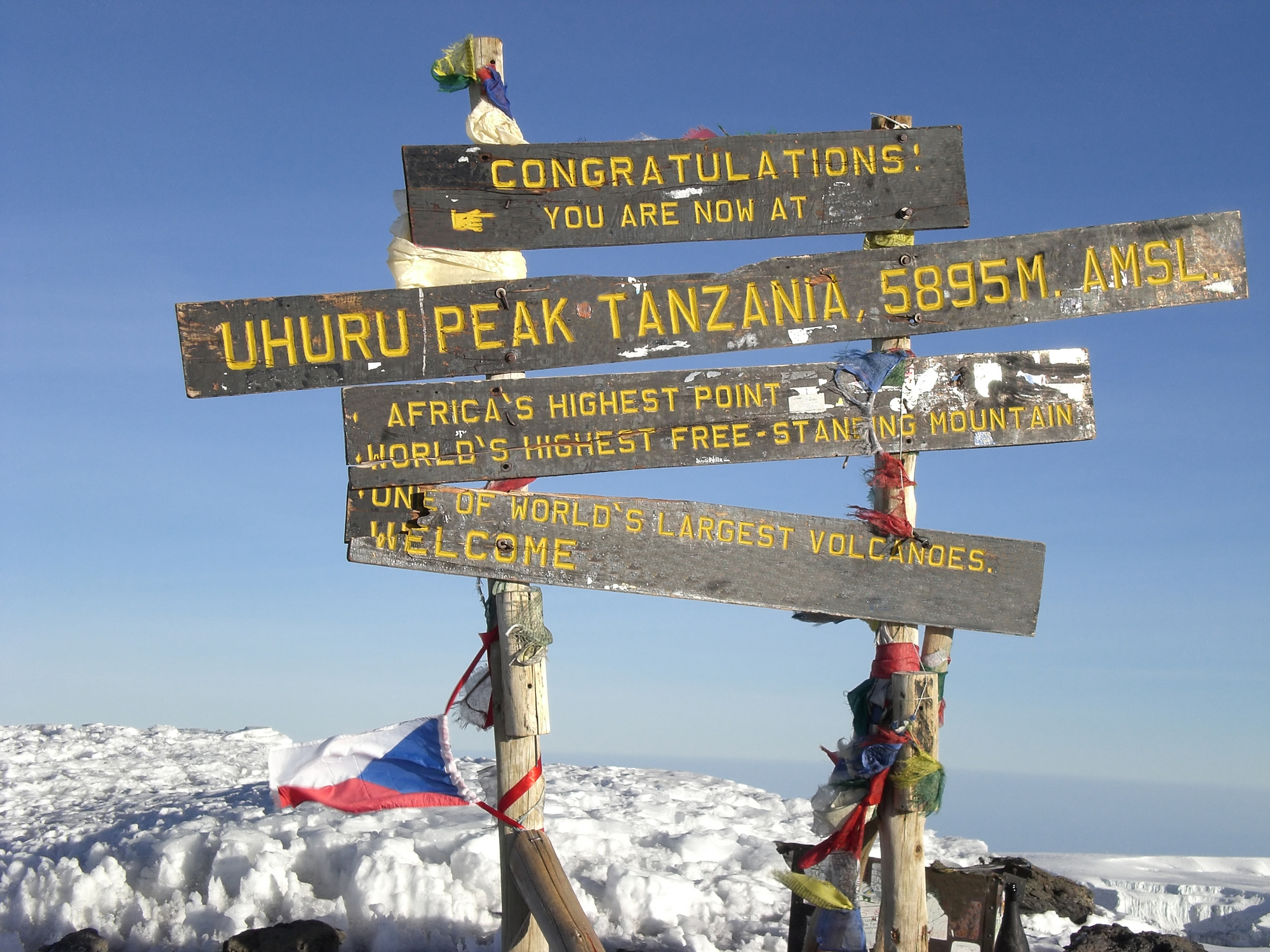
Uhuru Peak sign at the summit of Mount Kilimanjaro, Tanzania, surrounded by snow and fluttering national flags.
Logistics, safety, and rescue
While both Lemosho and Machame are well-established routes with experienced operators, the difficulty, remoteness, and pace of each route influence your exposure to risks and the ease of rescue.
- Lemosho Route: The early days of Lemosho are quieter and more remote, with longer stretches in the western rainforest and the Shira Plateau. This relative isolation means ground evacuation can take longer if a serious medical issue arises. However, the gentler ascent allows for gradual acclimatisation, reducing the likelihood of acute altitude-related emergencies. Helicopter evacuation points (Barranco, Karanga, Barafu) are the same, but you may spend more time distant from the busier areas, making on-foot or stretcher evacuation planning essential. Lemosho is ideal if you prioritise gradual acclimatisation and solitude, but you must accept that some sections are more remote and require careful preparation for potential evacuations.
- Machame Route: Machame’s steeper start and higher traffic in the first days place trekkers closer to other groups and camps. While this can aid in faster assistance in minor emergencies, the rapid early altitude gain increases the risk of altitude sickness, meaning guides must monitor trekkers carefully and respond quickly. Helicopter access is still limited by weather and altitude, but the busier trail makes on-trail monitoring and coordination easier. Machame is better for those who prefer a direct, social climb, but climbers must pace themselves to reduce early-altitude risks.
Travel insurance and preparedness are critical on both routes, as Kilimanjaro’s rescue infrastructure is effective but cannot eliminate the inherent risks of high-altitude trekking. Climbing Kilimanjaro is generally safe when undertaken with experienced guides and well-prepared trekking groups, but altitude, weather, and terrain hazards make understanding rescue logistics crucial. Most emergencies are managed on the ground, park rescue teams and trekking operator crews are highly trained to evacuate climbers on foot or using wheeled stretchers over rough mountain terrain. These teams are equipped to respond to altitude sickness, injuries, or sudden illness, and they coordinate closely with guides throughout each expedition.
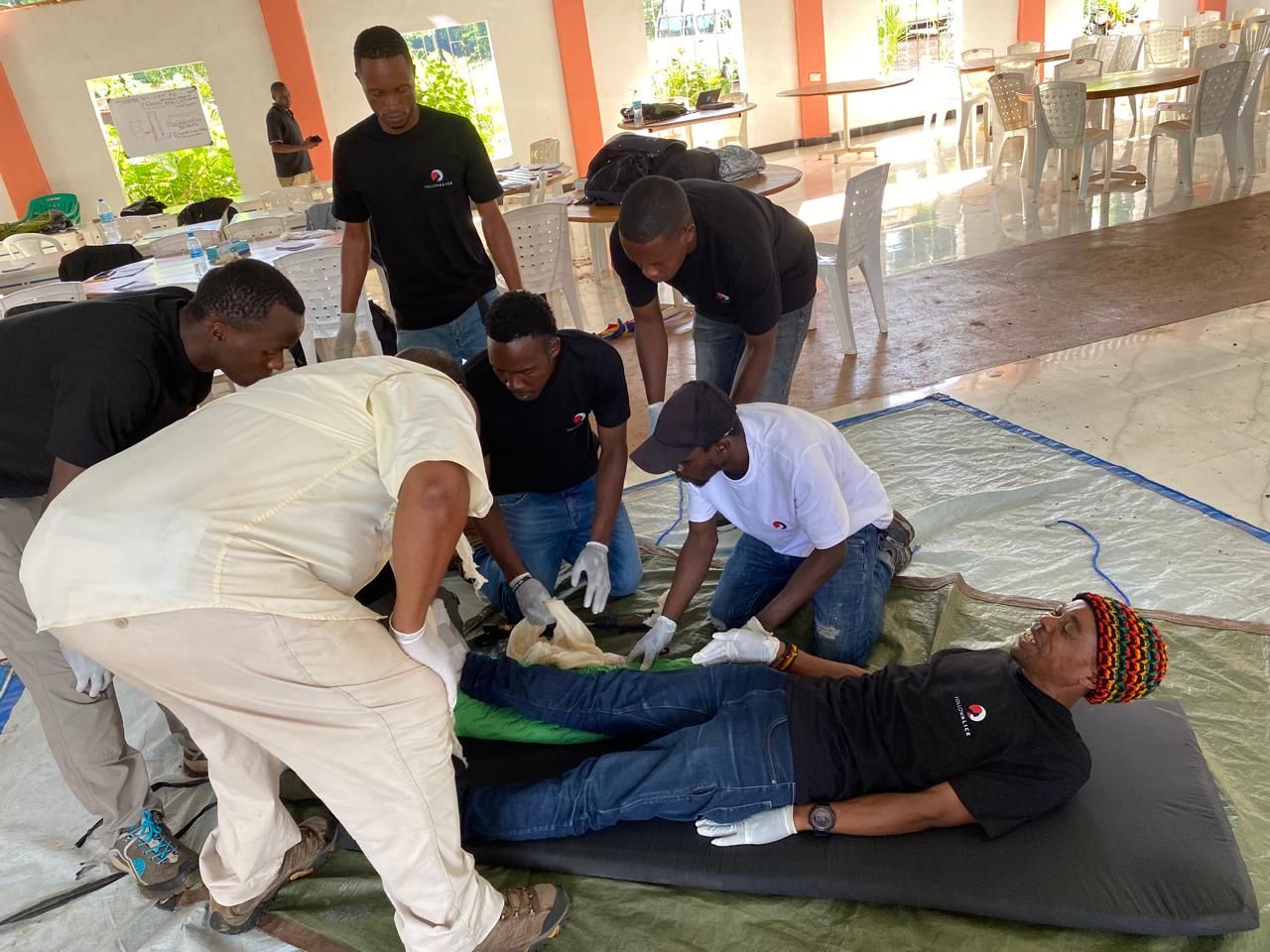
Follow Alice Kilimanjaro porters receiving first aid training.
Learn more: Meet Follow Alice's awesome Kilimanjaro mountain crew
Costs and park fees
When planning your Kilimanjaro trek, it’s important to understand that core park fees are set by the Tanzanian National Parks Authority (TANAPA) and are non-negotiable. These fees cover conservation, campsite use, and mountain rescue services, ensuring the park remains protected and safe for all trekkers.
These charges reflect the cost at the time the article was published and may be subject to change.
Learn more: Hygiene advice for women climbing Mt Kilimanjaro
Why does Lemosho cost more?
Climbers often notice that the Lemosho Route carries a higher price tag than the Machame Route, and there are several practical reasons for this.
1. Longer duration The Lemosho Route typically spans 7 to 9 days, compared with Machame’s 6–7 days. Each additional day on the mountain adds to park conservation fees, camping fees, and permits. These fees are charged per day by Tanzania National Parks (TANAPA), so a longer itinerary naturally increases the overall cost.
2. More support crew Lemosho’s early days cover remote areas and longer distances; operators usually use more porters and guides to manage gear, camps, and safety. More staff ensures climbers are well-supported and acclimatised, but it also increases crew wages and associated logistics costs, which are factored into the trek price.
3. Remote campsites and logistics Lemosho begins on the western flank, with campsites often situated far from main access roads. These remote locations may involve extra transport costs for food, fuel, and camping equipment, as well as slightly higher campsite fees to maintain the facilities. In contrast, Machame’s camps are generally closer to access points, reducing some logistical overhead.
4. Acclimatisation and safety advantages The Lemosho Route’s longer itinerary and gentler early ascent allow for better acclimatisation, which increases the likelihood of reaching the summit safely. While this is a significant benefit to trekkers, it adds days on the mountain and requires additional resources, subtly contributing to the higher cost.
5. Scenic and experiential value Finally, the route’s scenery from the Shira Plateau to expansive high-altitude vistas offers a more immersive experience, often justifying the investment for many climbers.
As shown in the comparison table below, the Lemosho Route generally carries a higher price tag than the Machame.
In comparison, the Machame Route is shorter, steeper, and more direct, generally requiring fewer support staff and fewer nights in the park, which keeps its overall cost lower. While Machame still offers spectacular views and a rewarding summit, the Lemosho Route balances higher costs with better acclimatisation, quieter trails, and unparalleled scenery, making it a popular choice for climbers willing to invest in a premium experience.
Budgeting for your Kilimanjaro trek
Remember to plan your budget with park fees, VAT, and insurance coverage in mind, and always confirm that your tour operator includes all TANAPA fees in the package. Follow Alice can help you navigate these costs and ensure your trek is fully covered, so you can focus on the climb without worrying about unexpected expenses. Doing so not only guarantees a smoother trekking experience but also supports responsible tourism that protects Kilimanjaro’s unique environment.
A guide leading tourists to Mount Kilimanjaro.
Learn more: All Kilimanjaro routes ranked in terms of acclimatisation
Recommendations by traveller type
Choosing the right Kilimanjaro route depends on your experience, fitness, and what you hope to gain from the climb. Below, we compare the Machame and Lemosho routes, outlining which type of trekker each best suits, so you can align your goals with the ideal adventure on Africa’s highest peak.
- First-time high-altitude trekkers For those new to high-altitude trekking, the Lemosho route over 8 days offers the gentlest introduction. Early days on the western flank and Shira Plateau provide gradual altitude gains, allowing your body more time to adjust and reducing the risk of altitude-related discomfort. The quieter start also helps first-timers ease into the climb without the pressure of crowded trails.
- Fit trekkers on a tighter schedule If your itinerary is limited and you are comfortable with a more direct approach, the Machame route over 7 days remains a solid choice. It includes the essential “climb high, sleep low” day at Lava Tower, ensuring a core acclimatisation benefit while keeping your schedule efficient. The route’s social nature also means you’ll share the experience with other climbers, which can be motivating.
- Photographers and solitude-seekers For travellers seeking scenic vistas and space to themselves, Lemosho stands out. Its western approach passes through lush rainforest, the expansive Shira Plateau, and offers panoramic viewpoints often less crowded than Machame. The early days allow a lot of opportunity to pause, photograph, and appreciate the landscape without constant interruptions.
- Peak-season travellers During the busiest trekking months, Lemosho’s longer early days naturally disperse climbers, making it easier to find quiet sections on the trail and at campsites. Machame is still viable, but expect a more sociable, sometimes congested trail experience, particularly around popular landmarks like the Barranco Wall.

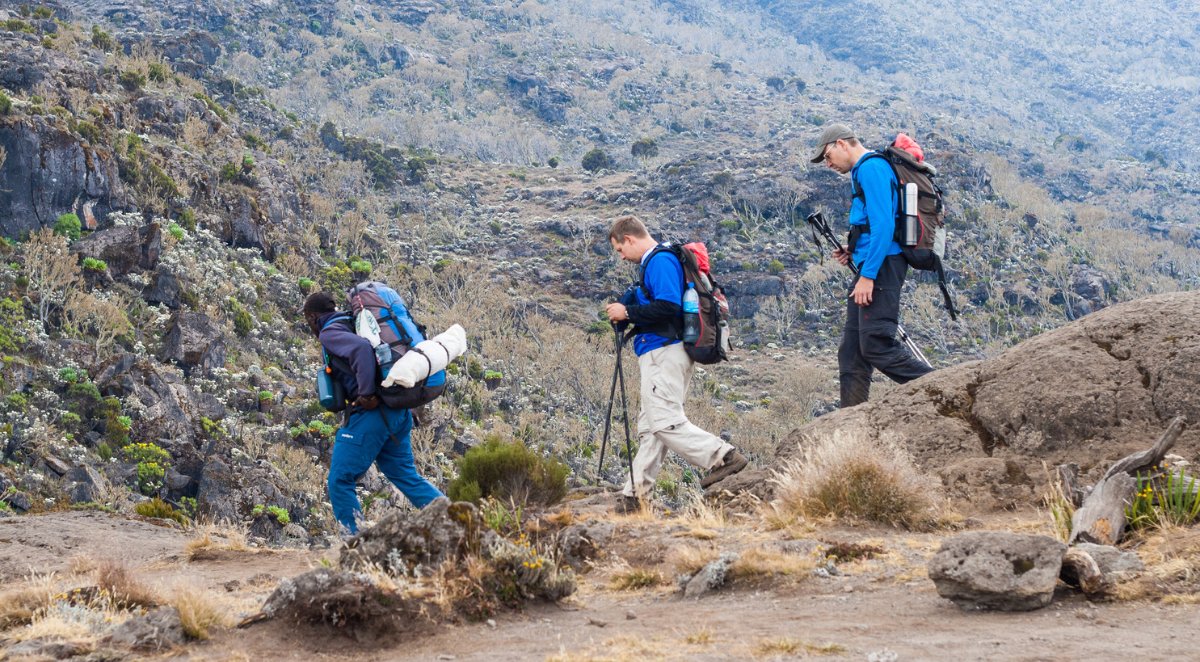
Trekkers making their way along the Lemosho Route toward Karanga Camp on Mount Kilimanjaro.
Lemosho vs Machame
Climbers approaching Kilimanjaro face two choices: take the western Lemosho Route, with its quieter, scenic start, or the southern Machame Route, known for its steeper, more direct ascent. Each offers a distinct rhythm, trail character, and mountain experience, shaping not just how you climb, but how you feel on the journey to Africa’s highest peak.
Let's take a look at the pros and cons of each route:
Lemosho Route
Pros:
- Excellent acclimatisation due to gradual altitude gains.
- Quieter start with more solitude on early sections.
- Stunning Shira Plateau scenery and panoramic views.
- Higher operator-reported summit success rates.
Cons:
- Requires an extra one to two trail days.
- Slightly higher overall cost due to longer park fees and additional nights.
Machame Route
Pros:
- Classic, well-trodden route with a sense of tradition.
- Sociable, lively trail atmosphere.
- An efficient schedule suitable for a limited time.
- Strong “climb high, sleep low” profile with iconic sections such as the Barranco Wall.
Cons:
- The steeper ascent in the first two days can be challenging.
- Camps and key landmarks are busier in peak months.
- Reduced acclimatisation benefits if taken as a 6-day itinerary.
Both Lemosho and Machame offer unforgettable Kilimanjaro experiences, each suited to different schedules, fitness levels, and travel styles. Choosing the route that aligns with your pace, priorities, and acclimatisation needs will maximise your chances of a safe and rewarding summit.
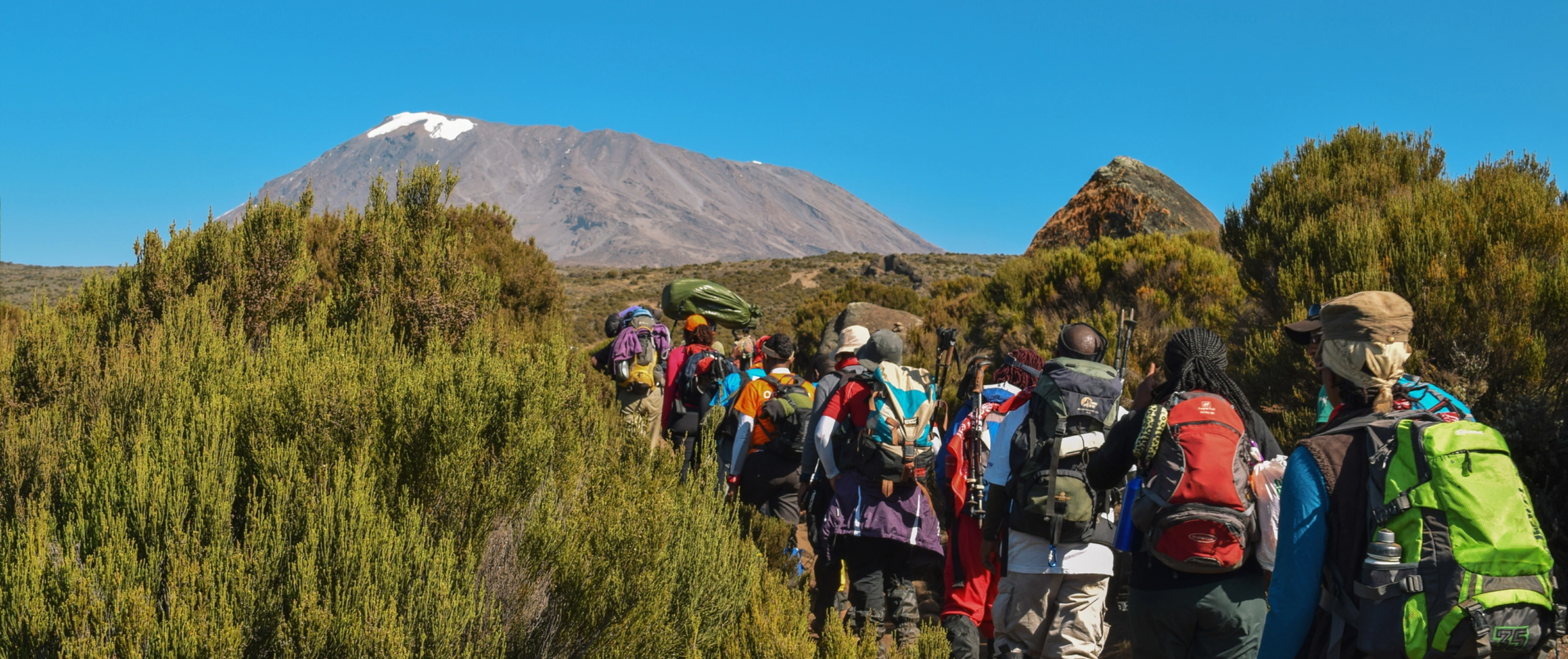
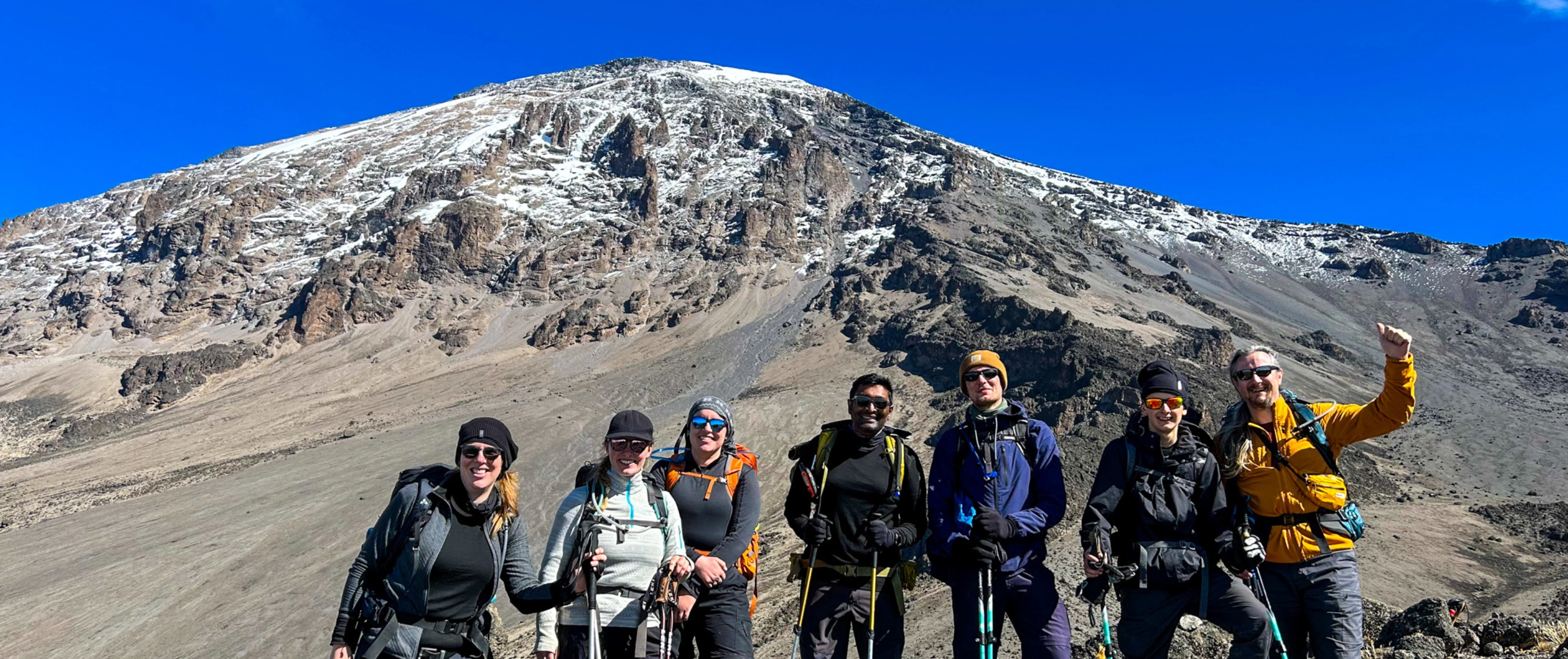
Hikers against the mountain background of Mount Kilimanjaro.
Learn more: Kilimanjaro climb success rate: what you need to know
Lemosho vs Machame Route FAQs
Planning your Kilimanjaro climb often raises questions about difficulty, itinerary options, and summit logistics. To help you make an informed choice between Lemosho and Machame, we’ve compiled answers to the most common questions trekkers ask.
From technical sections like the Barranco Wall to extra acclimatisation days and summit paths, these FAQs cover the key details you need for a safe and successful climb.
Is the Barranco Wall technical? No, the Barranco Wall is a hands-on scramble over solid volcanic rock. You won’t need ropes or specialised climbing gear—just steady footing and proper spacing under your guide’s supervision.
Can I add an extra day on Machame to improve my summit chances? Yes. Many operators offer a 7-day Machame itinerary that includes an overnight at Karanga. This extra day gives your body more time to acclimatise and significantly improves your chances of a successful summit compared with the 6-day option.
Do the routes follow different summit paths? No. From Barafu Camp, both Lemosho and Machame join the same path to Stella Point and continue along the crater rim to Uhuru Peak, ensuring the final ascent experience is identical.
In short, both Lemosho and Machame lead to the same summit experience, with manageable technical sections and options to improve acclimatisation. Choosing the right itinerary and understanding the route details will help ensure a safer, more enjoyable climb.
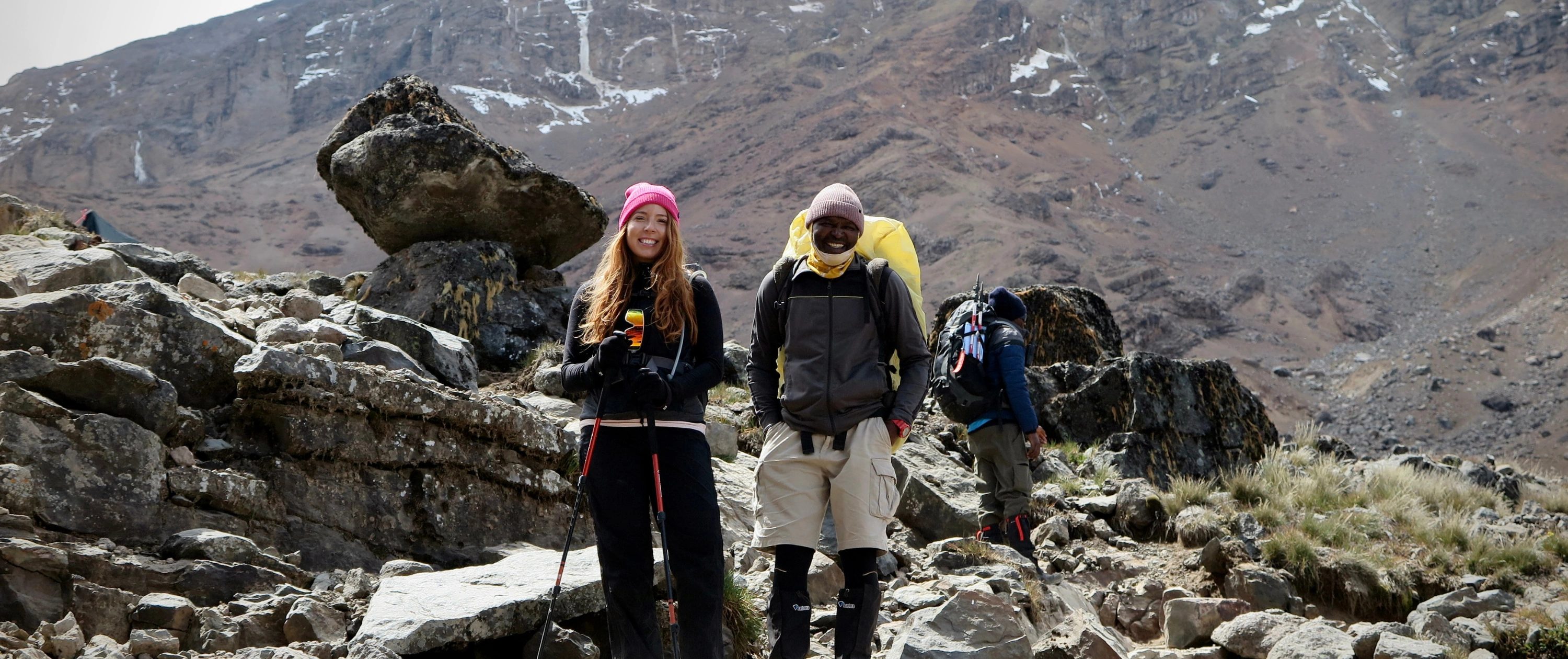
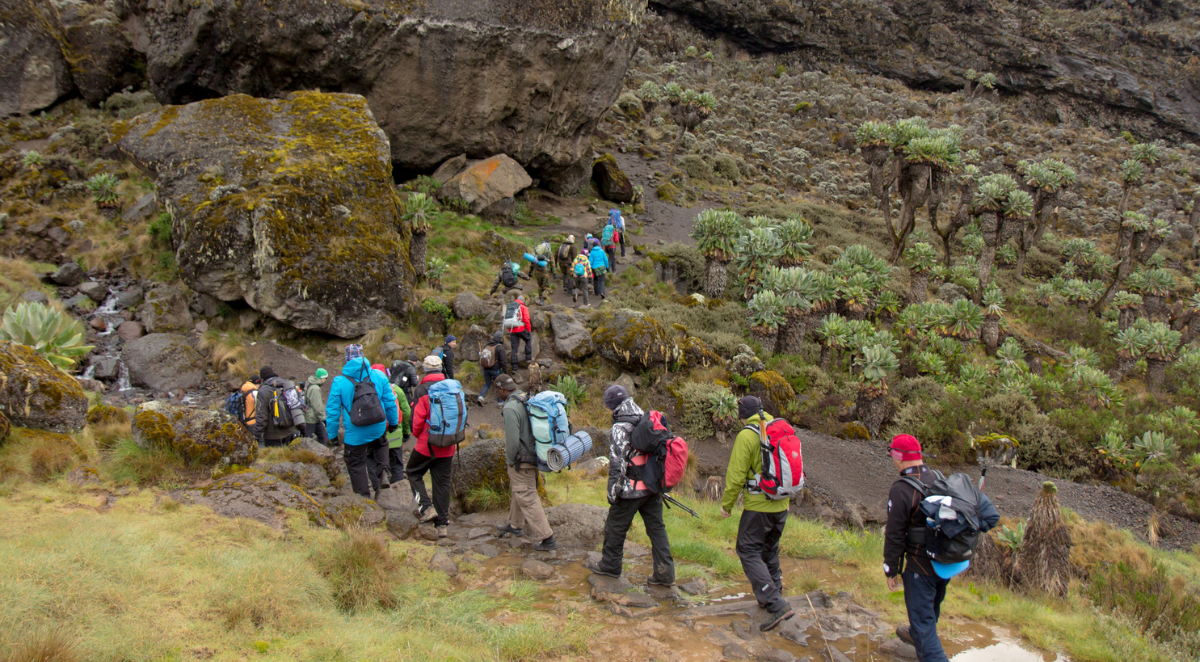
Trekkers enjoying the scenery on Mount Kilimanjaro.
Learn more: How to find the best Kilimanjaro tour operators
Lemosho vs Machame: Choosing the best Kilimanjaro route
Both Lemosho and Machame offer unforgettable Kilimanjaro experiences, each with its own appeal. For the best balance of acclimatisation, sweeping scenery, and early-morning solitude, the 8-day Lemosho route is ideal. If you prefer a classic, more direct ascent with a lively, social atmosphere in a slightly shorter timeframe, the 7-day Machame route is a perfect fit.
Whichever path you choose, remember to move pole pole (slowly and steadily), stay well-hydrated, and trust your guide to manage the day’s altitude profile. Follow Alice takes care of the logistics, ensures safety protocols are followed, and provides a fully supported mountain crew, so all you need to do is focus on the climb and the breathtaking landscapes around you.
Ready to start planning your Kilimanjaro adventure? Let Follow Alice guide you to the perfect route and a safe, unforgettable summit experience.