





Mount Kilimanjaro is a bucket-list climb for adventurers worldwide, but staying safe on the mountain is essential. While thousands of trekkers summit each year, success depends largely on preparation, support, and smart decision-making.
Is climbing Mount Kilimanjaro dangerous?
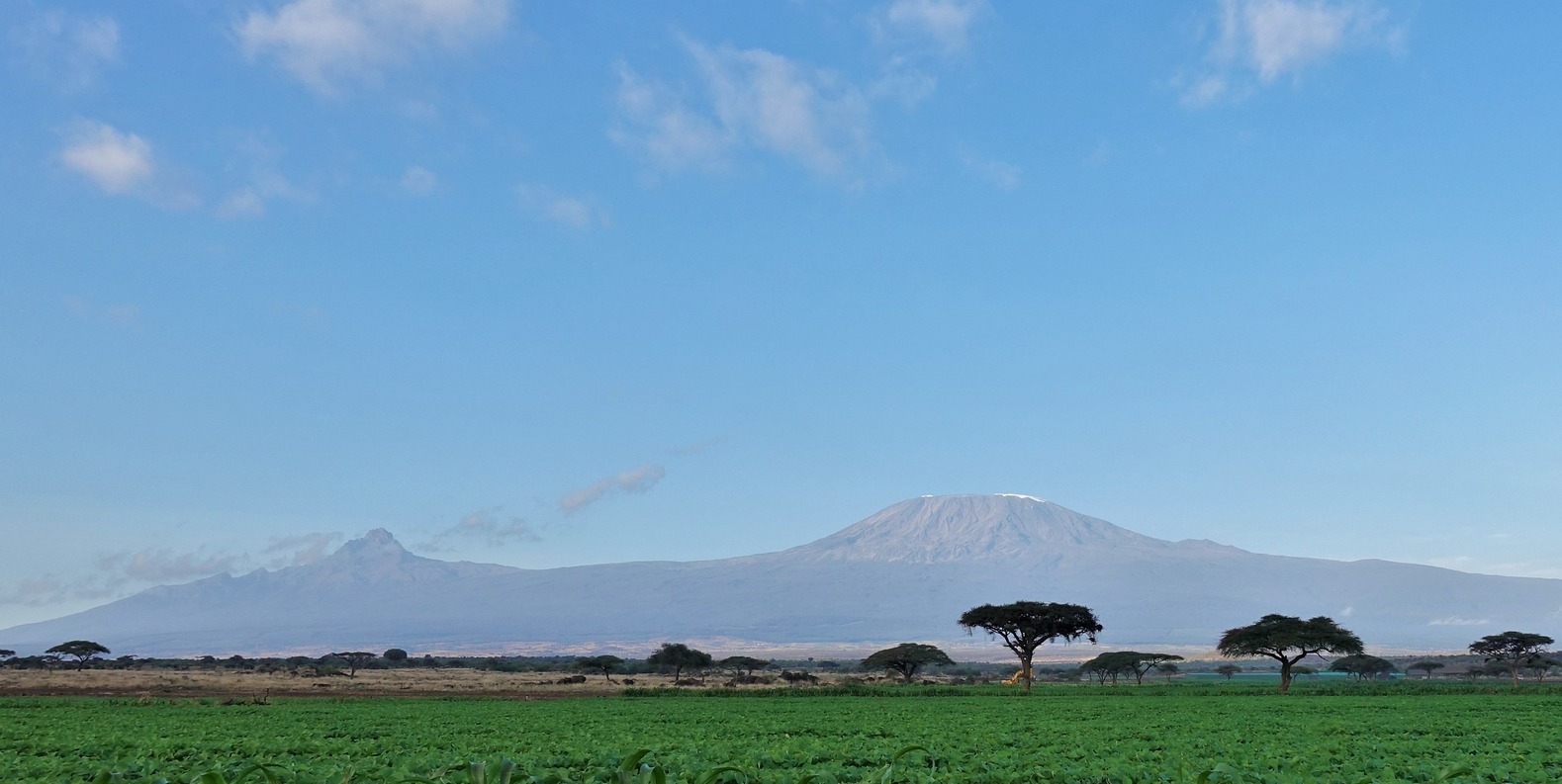
Mount Kilimanjaro is the tallest mountain in Africa and proudly claims a spot on the famed “Seven Summits” list. It's made up of three volcanoes – Shira and Mawenzi are extinct, while Kibo, the highest, is dormant. Despite its impressive height and volcanic nature, Mount Kilimanjaro is considered relatively risk-free compared to other mountains of similar altitude.
That said, Kilimanjaro safety should never be taken lightly. Nearly half of all climbers don’t reach the summit, around 1,000 people are evacuated each year, and approximately 10 deaths are reported annually. Is Kilimanjaro dangerous? It certainly can be – especially if you neglect the necessary Kilimanjaro safety precautions. Poor preparation, lack of acclimatisation, and climbing with an unqualified tour operator significantly increase the risks. At Follow Alice, your safety is our top concern. This article isn’t meant to alarm you, but to help you understand the realities of the climb and learn how to tackle Kilimanjaro safely and responsibly.
Learn more: What is the best training for Kilimanjaro?
The video below highlights the most important Kilimanjaro safety precautions, including how to prepare, what risks to watch out for, and how to stay safe during your climb. It’s a great introduction to the question “Is climbing Mount Kilimanjaro dangerous?” and offers practical tips for a safe and successful trek.
3 reasons why safety must come first on Kilimanjaro
Before we go into the practical steps and Kilimanjaro safety precautions you need to take, let’s look at three main reasons why safety should always be a top priority, for both you and your tour operator.
1. Kilimanjaro is Remote
One of the most important aspects of Kilimanjaro safety is understanding just how remote the mountain is. If you fall ill or injure yourself, there’s no nearby hospital or clinic – you’ll need to descend before receiving proper medical care.
That’s why climbing with a reputable tour operator like Follow Alice is essential. Your mountain crew should be trained to respond quickly to emergencies, especially when it comes to altitude sickness. Teams also carry a stretcher in case a climber can’t walk down on their own.
While Kili MedAir offers helicopter evacuations, landing zones are limited. In most cases, descending on foot or by stretcher remains the fastest and most reliable option for dealing with a medical emergency.

The rainforest is lush and beautiful, but the trail can be slippery.
2. The Weather is extreme and unpredictable
Is Kilimanjaro dangerous because of the weather? In part, yes. One of the most underestimated aspects of Kilimanjaro safety is the mountain’s rapidly changing and often extreme weather conditions. As you ascend through five distinct climate zones, starting in the humid rainforest and ending in the arctic summit zone, you’ll face a dramatic shift in temperatures, humidity, and exposure.
At lower altitudes, the trail may be muddy and wet due to frequent rainfall, particularly in the rainforest zone. As you gain elevation, temperatures begin to drop sharply, especially at night. Above 4,000 m, it’s common to experience freezing temperatures, icy winds, sleet, and even snowfall, even outside of the rainy seasons.
The weather on Kilimanjaro can shift suddenly, with sunshine turning to fog, wind, or snow in a matter of minutes. Hypothermia becomes a real risk if you’re not properly insulated, while dehydration can set in if you underestimate how dry and intense the sun can be at high altitude.
This is why following Kilimanjaro safety precautions like packing the right clothing layers, waterproof gear, and thermal protection is critical. Your safety hinges on being prepared for all conditions, no matter what time of year you climb. While the mountain’s changing weather adds to its beauty and challenge, it also underscores the need for serious preparation. With the right gear and guidance, you can face whatever weather Kilimanjaro throws your way.

Snow is often seen on the summit of Kilimanjaro.
3. Altitude sickness is the biggest Kilimanjaro safety concern
Many climbers underestimate the risks of climbing Mount Kilimanjaro, believing that because it's a non-technical trek, it’s relatively easy. In reality, altitude sickness is the most significant threat to Kilimanjaro's safety.
Most travel blogs and climbing experts agree: the number one factor that determines summit success is acclimatisation. At this altitude, the oxygen level is roughly 50 per cent of what it is at sea level. This sudden drop can lead to Acute Mountain Sickness (AMS), which causes symptoms like headaches, nausea, dizziness, and fatigue.
While mild altitude sickness is common and manageable, moderate to severe AMS can escalate to more serious conditions like High Altitude Pulmonary Edema (HAPE) or High Altitude Cerebral Edema (HACE)—both of which can be fatal if not treated promptly.
That’s why one of the most critical Kilimanjaro safety precautions is choosing a route with a gradual ascent and built-in acclimatisation days. Travel blogs often recommend the Lemosho and Northern Circuit routes for this very reason, as they allow more time for your body to adjust. Hydration, rest, and a slow, steady pace are also important factors in managing altitude effectively.
So, is climbing Mount Kilimanjaro dangerous? It doesn’t have to be, but only if you respect the mountain, prepare properly, and climb with an experienced, safety-focused team. At Follow Alice, we take every measure to prioritise your wellbeing, ensuring you’re not just reaching the summit, but doing so safely.
Learn more: Kilimanjaro altitude sickness – a comprehensive guide
Why your choice of tour operator is important
When it comes to Kilimanjaro safety precautions, your choice of tour operator can make all the difference. So, is Kilimanjaro dangerous? It can be, but with the right team by your side, the risks are greatly reduced. Choosing a reputable and experienced Kilimanjaro tour operator is possibly the single most important factor in ensuring a safe and successful climb.
Here’s why your tour operator matters so much for Kilimanjaro safety:
- They provide quality camping equipment designed to keep you warm, dry, and comfortable in harsh mountain conditions.
- Their trek guides are experienced professionals trained in wilderness first aid and altitude sickness management.
- The mountain crew carries essential safety equipment, including stretchers and backup oxygen supplies for emergencies.
- Nutritious, plentiful food is served to fuel your body through the demands of the multi-day trek.
- Drinking water is carefully purified to avoid illness.
At Follow Alice, Kilimanjaro safety is our top priority. All our Kilimanjaro guides are highly trained and certified Wilderness First Responders (WFRs). They have the expertise to prevent, detect, and treat altitude sickness effectively.
Our guides use the internationally recognised Lake Louise Scoring System (LLSS) to assess symptoms of altitude sickness during the climb. This systematic approach helps determine whether a climber is experiencing no symptoms, mild altitude sickness, or severe altitude sickness that requires immediate action.
Our guides know the fastest and safest evacuation routes from every part of the mountain. If an emergency occurs, they are fully prepared to get you down quickly and safely.
So, to put it lightly, climbing Mount Kilimanjaro doesn't have to be dangerous when you climb with a tour operator who puts your safety first. Choose wisely, prepare thoroughly, and climb confidently.
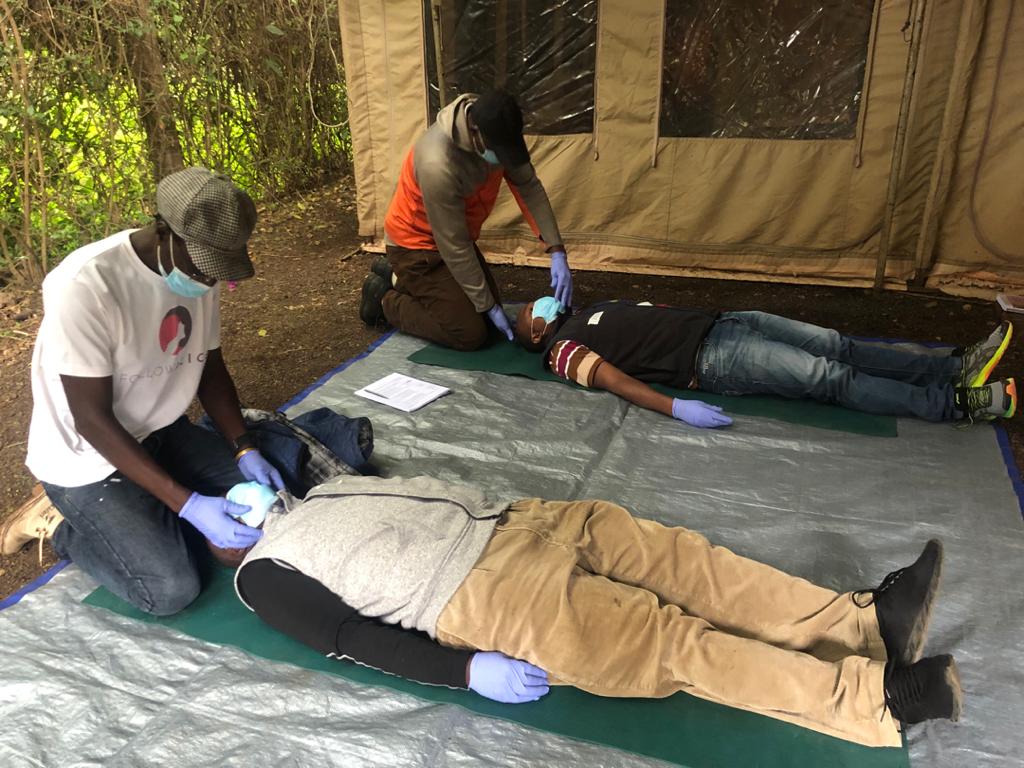
Follow Alice guides as they do their annual WFR refresher course.
{{leadmagnet-one}}
What you need to know about altitude sickness on Kilimanjaro
When it comes to Kilimanjaro safety precautions, understanding altitude sickness is essential. So, is Kilimanjaro dangerous? One of the main reasons it can be is the risk of altitude-related illness. While your mountain guides should have expert training in preventing, identifying, and treating altitude sickness, it's also important that you understand the basics. This knowledge will help you make informed decisions, like which Kilimanjaro route to choose and how best to prepare for the climb.
What is altitude sickness?
Altitude sickness, also known as acute mountain sickness (AMS), occurs when your body doesn’t adapt quickly enough to the reduced oxygen available at high altitude. Symptoms can include headaches, nausea, dizziness, loss of appetite, insomnia, and fatigue.
Why is it a concern on Kilimanjaro?
Is climbing Mount Kilimanjaro dangerous because of altitude sickness? It can be, if you're not properly prepared. At sea level, the oxygen concentration in the air is about 21 per cent, and your body is used to functioning with that. But near the summit of Kilimanjaro, you’re breathing in roughly 50 per cent fewer oxygen molecules per breath. This puts significant stress on your body, and not everyone adapts the same way or at the same pace.
It’s normal to experience some symptoms
More than 75 per cent of climbers experience at least mild altitude sickness while trekking Kilimanjaro. It’s very common and usually manageable. In most cases, symptoms are mild and don’t prevent you from continuing your ascent. However, you will be closely monitored by your guide to ensure your condition doesn’t worsen.
If symptoms become moderate to severe, the only safe course of action is immediate descent. This is why having a qualified and experienced guide and following all Kilimanjaro safety precautions is so important.
At Follow Alice, our guides are trained in high-altitude care and monitor your health throughout the trek. Your well-being is our top priority, and we're fully prepared to support you every step of the way.
Altitude sickness is common among trekkers
Mild altitude sickness is a perfectly normal part of trekking on Kilimanjaro. Over 75 per cent of climbers experience some level of acute mountain sickness (AMS) during their ascent. So it’s quite likely that you’ll feel at least a few symptoms like headaches, fatigue, or nausea, at some point on the trail.
However, it’s only when symptoms become moderate to severe that a descent becomes necessary. This is why one of the most important Kilimanjaro safety precautions is to monitor your condition closely and communicate with your guide. If symptoms are mild, you can usually continue climbing under careful observation. But at the first sign of danger, your guide will take immediate action to protect your health.

Learn more: What is altitude sickness? And can I prevent it?
Kilimanjaro safety precautions: why route choice matters
You might assume that if you're young, fit, or have climbed at altitude before, you’re safe from altitude sickness. But think again. Is Kilimanjaro dangerous even for the ultra-fit? Yes, it absolutely can be. Age, gender, and physical fitness have no bearing on whether or not you’ll develop altitude sickness. It also means that just because you’ve never experienced it before doesn’t mean you won’t on Kilimanjaro. That’s why everyone must take proper Kilimanjaro safety precautions—no exceptions.
Routes affect your acclimatisation
One of the most overlooked Kilimanjaro safety precautions is choosing a route that allows for gradual acclimatisation. Some routes are much better than others at helping your body adjust to the high altitude, which dramatically reduces your risk of developing acute mountain sickness (AMS).
The Lemosho, Northern Circuit, and Machame routes are widely considered the best in terms of acclimatisation. These routes are longer, giving your body more time to adapt. Unsurprisingly, they also have the highest summit success rates more trekkers on these routes make it to the top.
In contrast, the Marangu and Umbwe routes are shorter and involve rapid altitude gain, which significantly increases your chances of developing altitude sickness. As a result, they have much lower summit success rates.
The Shira route is another risky option. It begins at an unusually high altitude of around 3,600 m, compared to 1,600 to 2,300 m on most other routes. Starting so high gives your body little time to adjust, and many trekkers experience symptoms of AMS early on.
So, is climbing Mount Kilimanjaro dangerous? It doesn’t have to be, but choosing the wrong route without proper acclimatisation time is one of the easiest ways to put your summit (and safety) at risk. Select your route wisely, and give your body the best chance to succeed.

Our client Romy took this misty snap on her Lemosho route climb.
Learn more: Which is the easiest Kilimanjaro route?
Climb high, sleep low
One of the most effective Kilimanjaro safety precautions is following the "climb high, sleep low" principle during your ascent. This proven acclimatisation method involves hiking to a higher altitude during the day, then descending to a lower elevation to sleep. It gives your body a chance to adjust gradually to the thinning air and helps reduce the risk of altitude sickness.
At Follow Alice, we prioritise this approach whenever possible. It’s one of the reasons we favour routes like the Lemosho, Northern Circuit, and Machame. These routes are designed to include altitude variation and acclimatisation days, dramatically increasing your chances of a safe and successful summit.
By contrast, routes like Rongai,Umbwe, and Marangu don’t offer the same opportunity to climb high and sleep low. As a result, they often have lower summit success rates, largely due to increased cases of altitude sickness. Smart strategies like this help to keep the risks in check and give you the best chance of reaching the summit safely and smiling.

Letting your body adjust slowly increases your chances of summiting
Learn more: The seven different Kilimanjaro routes – pros and cons of each
Don’t rush to the top
One of the most important Kilimanjaro safety precautions is to take it slow, really slow. On the mountain, you’ll often hear guides and porters say “pole, pole” (pronounced poh-leh poh-leh), which means “slowly, slowly” in Swahili. This simple phrase holds powerful wisdom: the slower you climb, the better your body can adjust to the altitude.
There’s no prize for racing to the summit. Moving too quickly is one of the main reasons trekkers develop altitude sickness. So, embrace the pace, take your time, and soak up the incredible scenery. Going “pole pole” isn’t just safer, it makes the entire experience more rewarding.
Safety equipment your Kilimanjaro crew should carry
Once you begin your ascent, you’re far from modern medical facilities, which means your Kilimanjaro safety relies heavily on the equipment and training your mountain crew brings with them. At Follow Alice, we take this seriously. Our experienced crew carries all essential safety gear to monitor your health and respond swiftly to any issues that may arise on the mountain.
If you choose to climb with another Kilimanjaro tour operator, it’s important to confirm that they also carry the following Kilimanjaro safety precautions and equipment:
Pulse Oximeter
This small but powerful device measures the oxygen saturation in your blood, a key indicator of how well your body is adjusting to high altitude. The oximeter clips painlessly onto your fingertip and gives an instant reading of your oxygen levels.
Our guides use a pulse oximeter to check each trekker’s levels twice daily. These regular readings help us monitor your acclimatisation and spot early signs of altitude sickness. It’s one of the most important tools we carry to keep you safe and healthy throughout your climb.
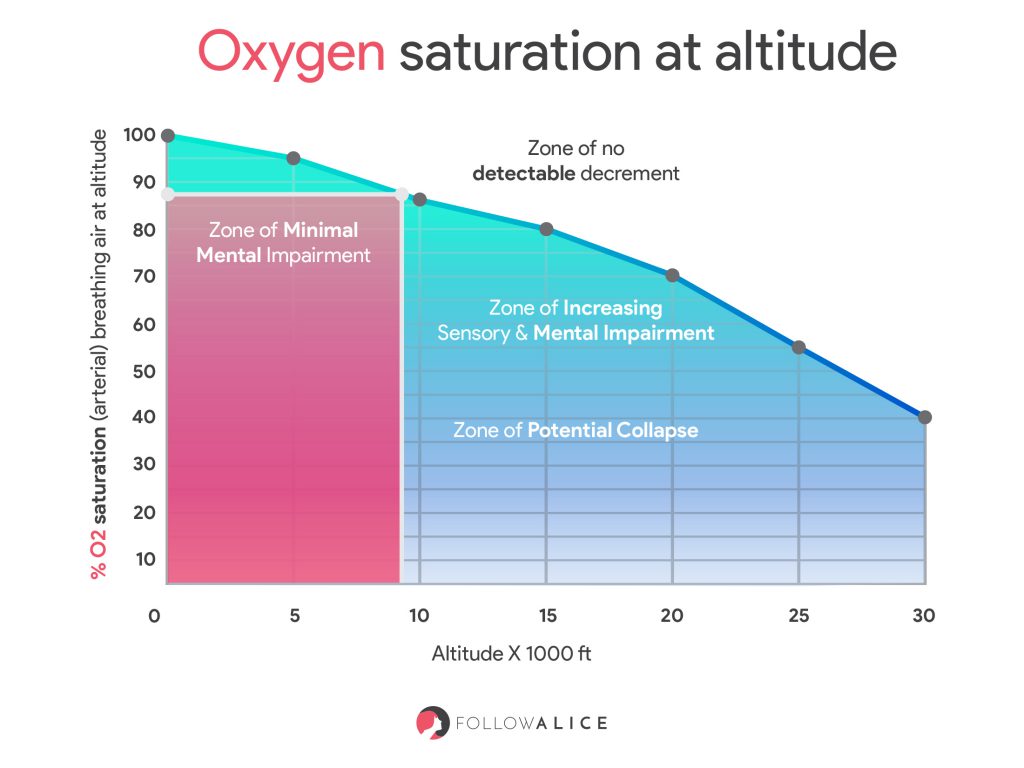
A diagram showing how oxygen saturation in the blood typically decreases as altitude increases.
Emergency oxygen is no substitute for proper acclimatisation
As part of our Kilimanjaro safety precautions, we carry bottled oxygen on every climb. However, it's important to understand that this oxygen is reserved strictly for emergencies. It is not intended to help climbers who choose a route that doesn't allow enough time to acclimatise properly.
Some might think, “I’ll just push through and use the backup oxygen if needed.” But that mindset is dangerous. Is climbing Mount Kilimanjaro dangerous? It can be, especially if you ignore the importance of gradual acclimatisation and rely on emergency measures instead of preparation.
The most immediate and effective treatment for altitude sickness is descending to a lower altitude. That’s why choosing a route that allows your body to adjust slowly—and climbing with a team that takes your safety seriously—is essential for a successful and safe summit.
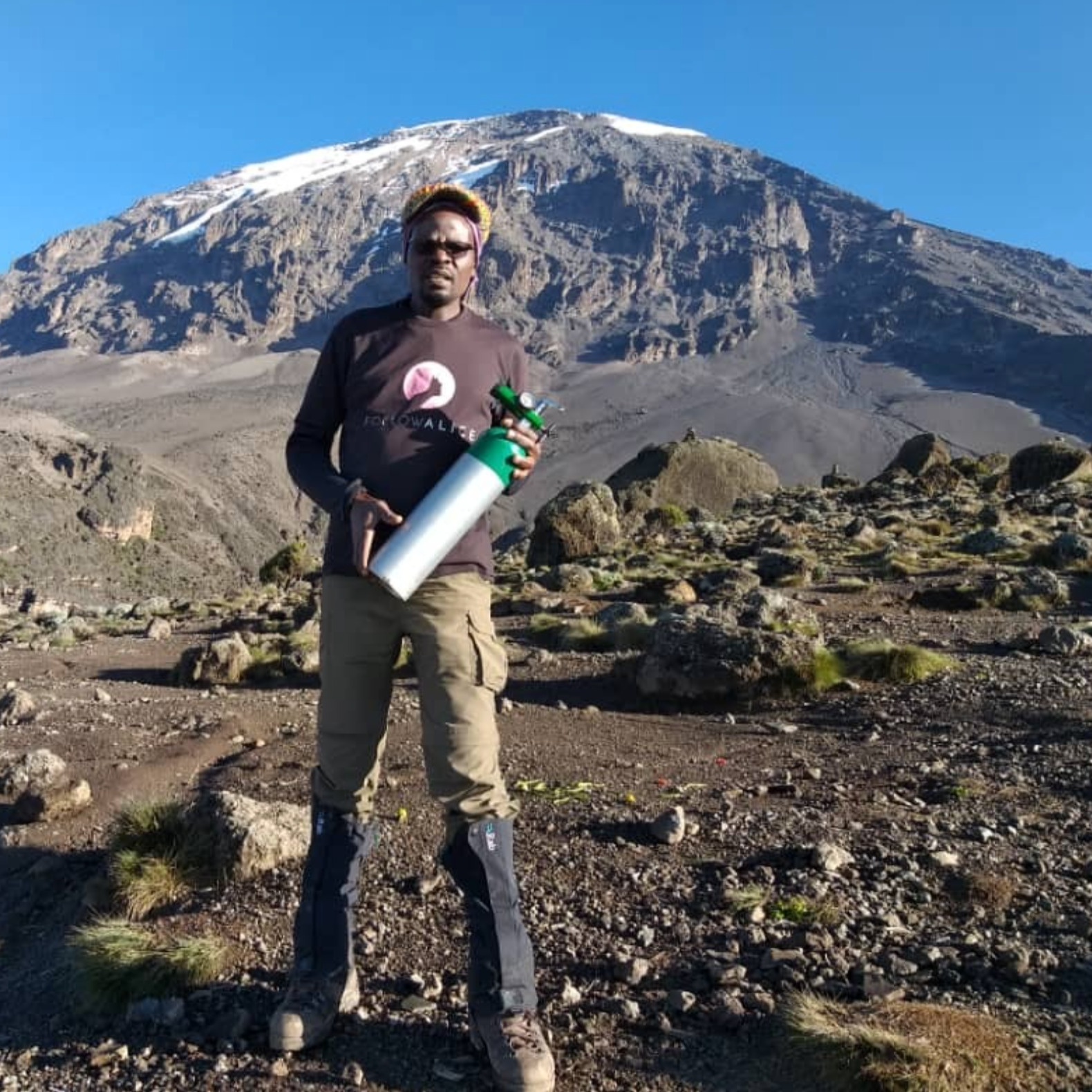
Follow Alice's guide, Chris, pictured on the mountain carrying an emergency oxygen cylinder, always prepared to prioritise the safety of our trekkers.
Portable stretcher
Your mountain crew brings a portable stretcher on every Kilimanjaro climb. It’s a crucial piece of Kilimanjaro safety equipment, used to evacuate any trekker who needs to descend but is unable to walk down on their own due to injury or illness.
First aid kit
A fully stocked first aid kit is carried by your lead guide at all times. It contains essential supplies to treat minor injuries like cuts, scrapes, and blisters—common issues on a multi-day trek. While small, this kit plays a key role in keeping you comfortable and safe on the trail.
{{leadmagnet-two}}
Gear and clothing to stay safe on your Kilimanjaro trek
Packing the right gear and clothing is important for a safe and comfortable Kilimanjaro climb. Here are the personal items you must bring to ensure your safety throughout the trek:
Quality trekking boots for Kilimanjaro
Choosing the right footwear is one of the most important steps when preparing for your Kilimanjaro trek. Your hiking boots should fit perfectly, be warm, water-resistant, and well broken-in.
The best way to break in your boots is to wear them frequently before your trip. Aim for long hikes that replicate the conditions on Kilimanjaro so your feet can adjust to heat, sweat, and fatigue. You’ll know your boots are ready when the insoles mould to the shape of your feet, helping you avoid blisters, sore toenails, and discomfort on the trail.
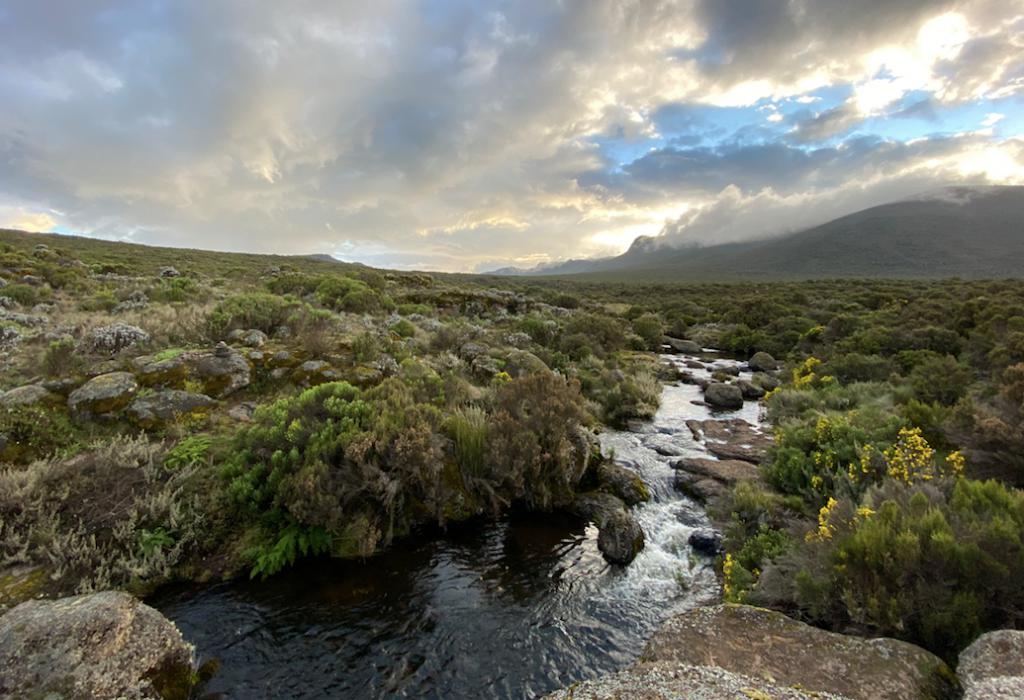
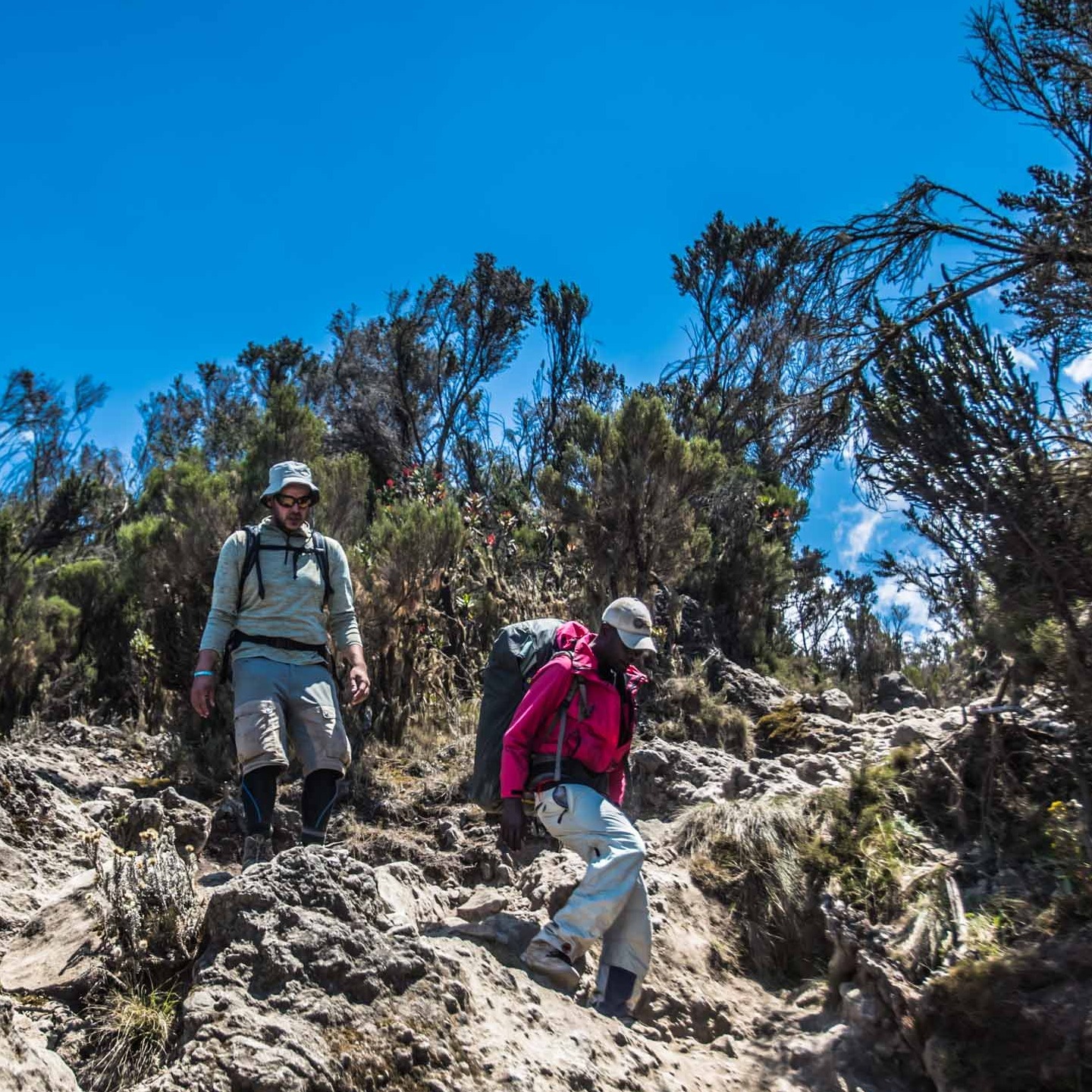
You will cross plenty of rugged terrain on Kilimanjaro and need sturdy footwear.
Look for boots with deep lugs for excellent traction, especially important when navigating tricky sections like the Barranco Wall—the most challenging part of the climb. Although it looks intimidating from below, the Barranco Wall is manageable if you take it slow and steady.
The rainforest section can become slippery when wet, so a good grip is essential. Some climbers opt to use crampons on summit day if there’s snow or ice near the peak, but these are generally not essential for most trekkers.
It’s worth emphasising that Kilimanjaro is a non-technical trek. All seven routes are no more hazardous than regular hiking trails, with the Barranco Wall being the only potential exception—one you can avoid by choosing alternative routes.
Important tip: keep your hiking boots in your hand luggage
To avoid any issues if your checked luggage is delayed or lost, we strongly recommend packing your hiking boots in your hand luggage. At Follow Alice, we can help you rent most of the necessary gear for your Kilimanjaro trek, but hiking boots must be your own and well broken-in before arrival.
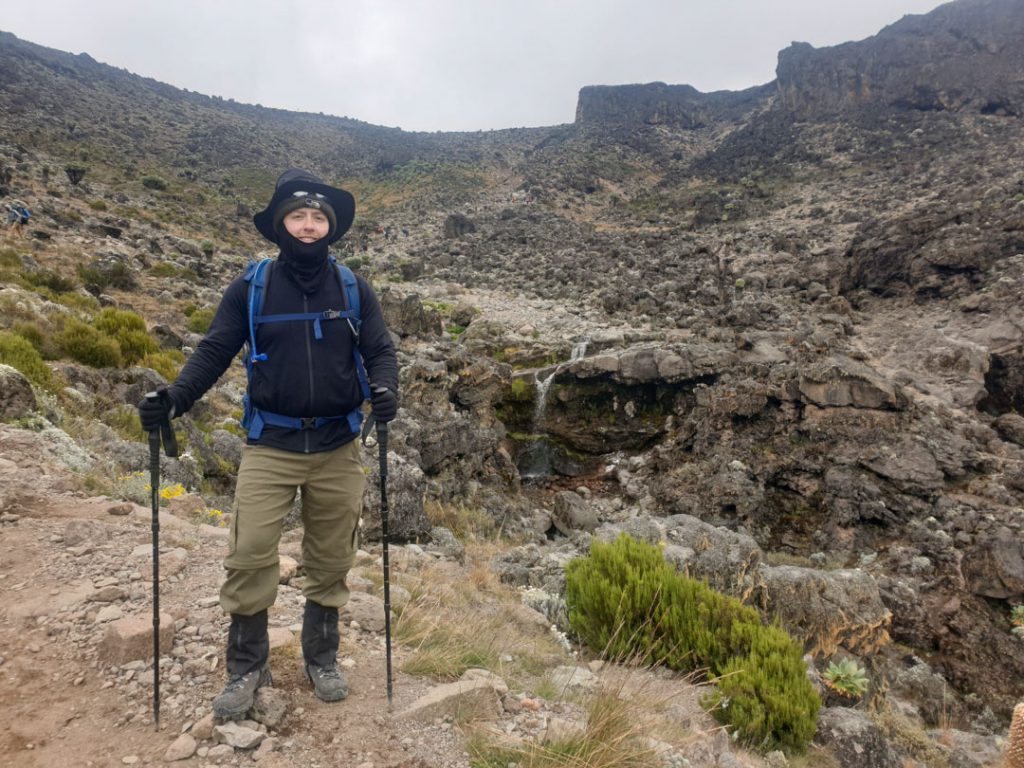
Trekker embracing the atmosphere on Mount Kilimanjaro
Trekking poles
Trekking poles are a valuable piece of gear for your Kilimanjaro trek, and most climbers choose to bring them along. While some use ski poles as a substitute, adjustable trekking poles are ideal for better comfort and versatility on varied terrain.
The primary advantage of trekking poles is that they improve your balance on rocky or uneven paths, helping you stay steady throughout the climb. They also reduce the strain on your knees during steep descents, making your trek easier and less tiring.

Some parts of the trail can get pretty rough and tricky, so trekking poles really come in handy to help you keep steady.
Sun protection on Kilimanjaro
Protecting yourself from the sun on Kilimanjaro is important. At high altitude, the sun’s rays are much stronger, and the bright light can be even more intense when it reflects off snow. Without proper protection, the UV exposure can seriously harm your eyes.
We recommend wearing wrap-around sunglasses to block glare from all angles. A glasses strap is also handy for when you want to take them off but keep them close and your hands free. Just like with your hiking boots, don’t bring brand-new sunglasses; make sure you’ve worn them on hikes beforehand to check for comfort and to avoid lenses that fog up easily.
Sunblock is a must, too. Choose a sweat-resistant sunscreen with an SPF of at least 30 to protect your skin throughout the day. Don’t forget your lips; use a lip balm with SPF, as lip skin is especially vulnerable to sun and wind damage.
Finally, a sturdy, wide-brimmed hat is key for shielding your face from harmful sunburn.
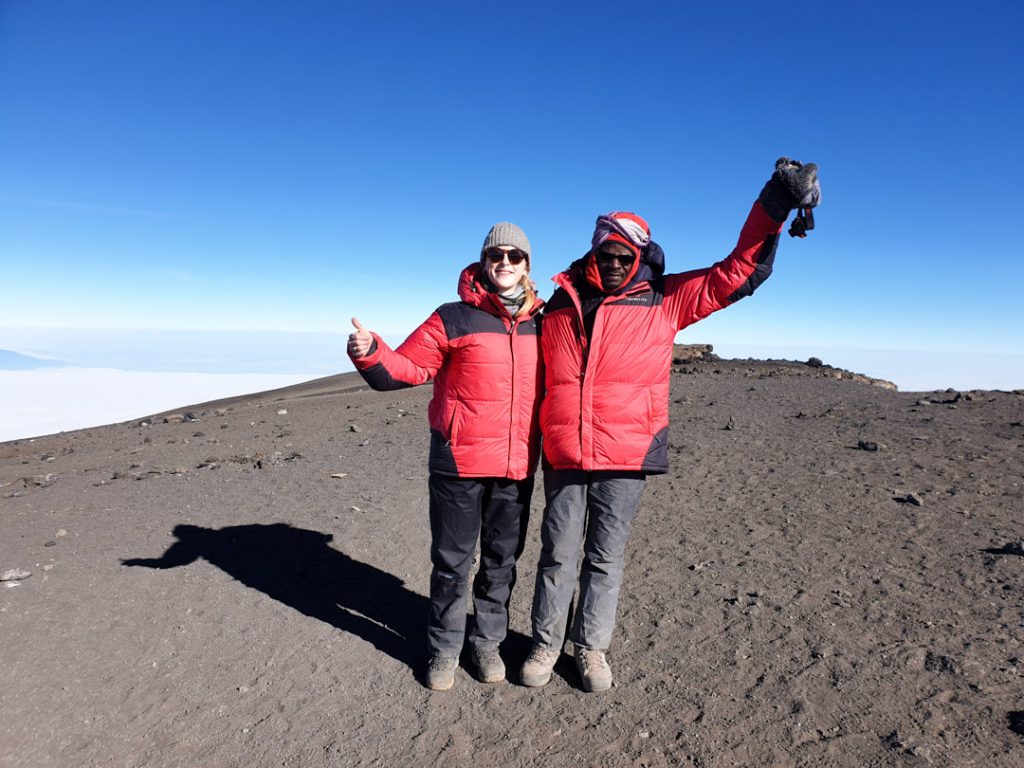
Follow Alice’s own Chris and Tash rocking their shades at the summit of Kilimanjaro.
What to wear for the changing weather on Kilimanjaro
Temperatures vary dramatically throughout your Kilimanjaro climb as you trek through five distinct climatic zones. You’ll start in warm, tropical conditions at the base and finish in freezing temperatures at the summit. That’s why you have to have the right clothing for Kilimanjaro, and to dress in layers, you can easily add or remove. A high-quality down jacket is especially important for summit night when conditions are at their coldest. At Follow Alice, we offer warm and reliable down jacket rentals for US$60 to help keep you safe and comfortable on the mountain. Your Kilimanjaro clothing should also include moisture-wicking base layers, insulating mid-layers, and waterproof outer layers.

A group of friends embrace reaching the summit.
Electrolyte tablets for Kilimanjaro
While your food, drinks, and daily water supply are all provided on your Kilimanjaro trek at least when you climb with us at Follow Alice, one thing we don’t include is electrolyte tablets or sports drink sachets.
Electrolytes are a smart addition to your Kilimanjaro packing list. They help replace essential salts lost through sweating, especially at high altitude, where your body works harder. Drinking only plain water after heavy exertion can dilute your sodium levels, which isn’t ideal and can even be risky.
You don’t need to drink electrolyte water all day. A good system is to fill your hydration pack with plain water and carry a separate bottle with electrolytes mixed in for occasional sips.
It’s also a good idea to pack a few oral rehydration salts in your toiletry kit, just in case you end up needing a quick hydration boost.
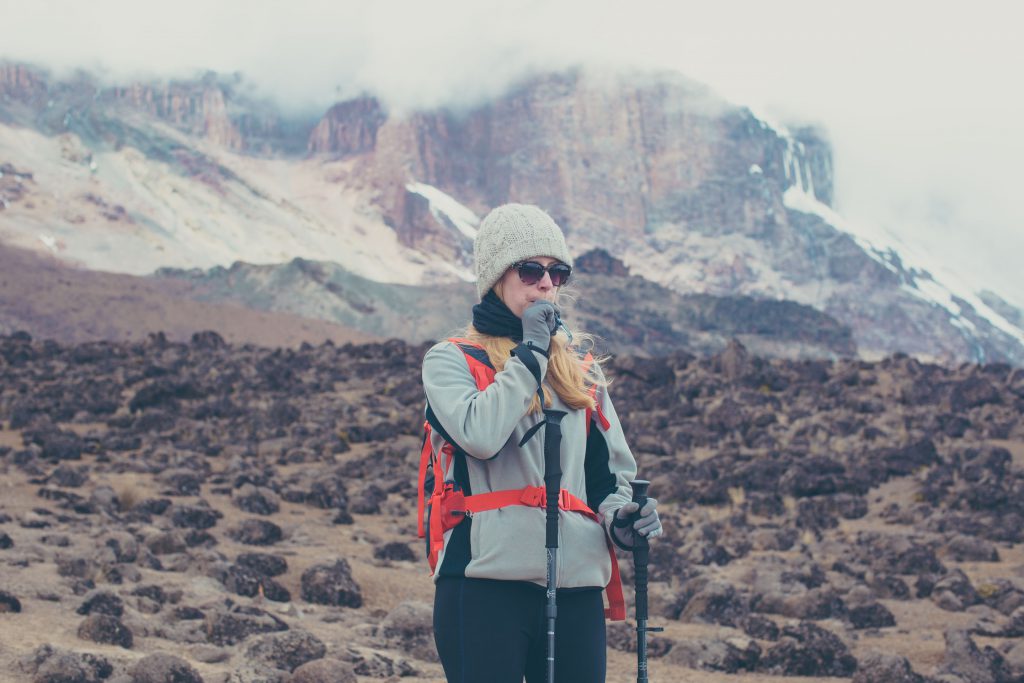
A lady surrounded by mountains stopping to drink some water on her trek.
Food, water and hydration on Kilimanjaro
Eating well, drinking safe water, and staying hydrated are important for a successful Kilimanjaro climb. Your body will be under a lot of physical stress at high altitude, so fuelling and hydrating properly is key to both your safety and enjoyment on the mountain.
Nutritious meals on Kilimanjaro
Getting enough nutritious food is crucial to keep your energy levels up during the climb. You're asking a lot of your body, so you need to feed it properly, especially when your appetite often dips at high altitude.
When you trek Kilimanjaro with Follow Alice, all your meals on the mountain are prepared by your dedicated mountain cook. You're served breakfast, lunch and dinner every day, along with hot drinks and snacks. Our awesome cook, Raja, makes sure you're getting plenty of fresh fruit and veg, as well as the protein and carbs your body needs to power through each day's trek.
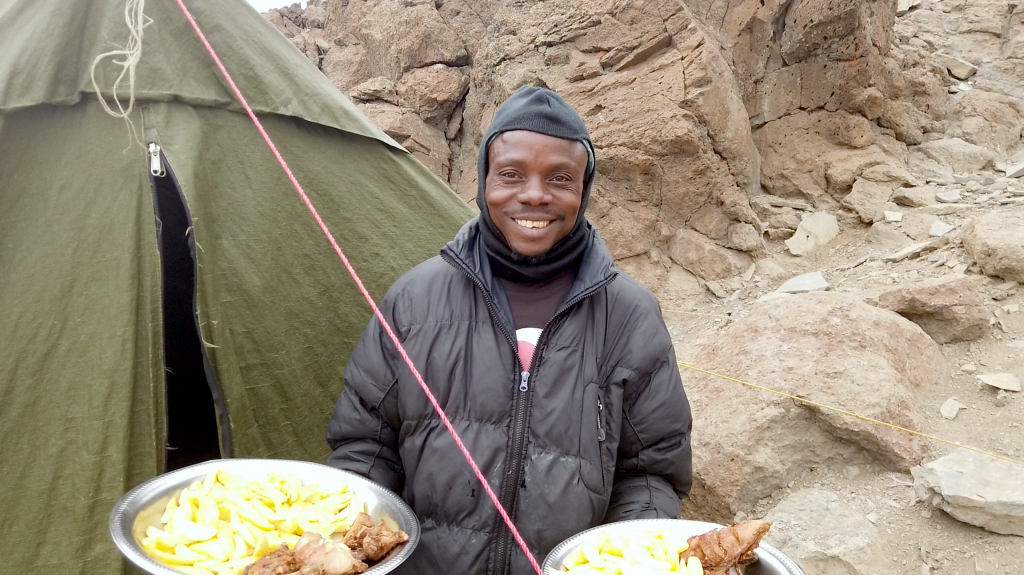
Raja, our incredible cook at Follow Alice, keeps everyone well-fed on Kilimanjaro.
Most days include a cooked breakfast, hot lunch and and dinner. On longer trekking days, you'll be given a packed lunch to carry with you. Many climbers also like to bring a few of their favourite snacks from home for an extra morale boost.
Important tip: Even if you’re not feeling hungry (a common side effect of altitude), try to eat something at every meal. Your body still needs fuel to perform, and skipping meals can lead to fatigue and an increased risk of altitude sickness.
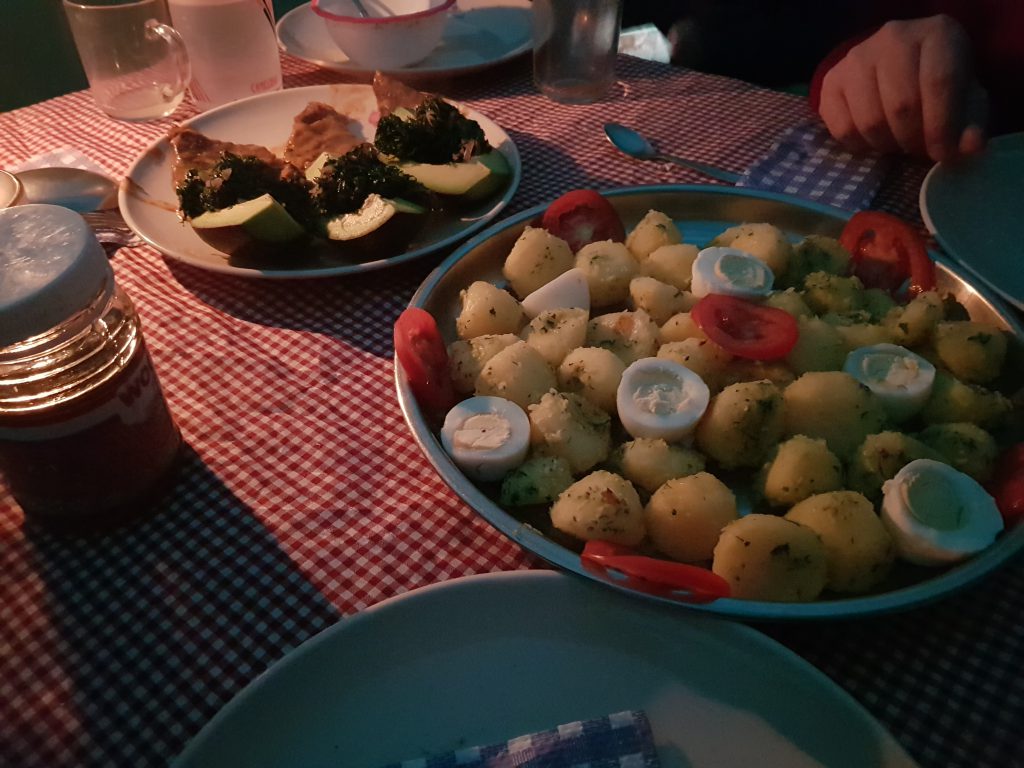
A typical Follow Alice dinner in the mess tent on Kilimanjaro.
Learn more: Meals on Kilimanjaro – nutrition is important for summit success!
Safe drinking water on Kilimanjaro
Your mountain crew provides you with safe drinking water throughout the climb. They collect water from mountain streams and purify it using purification tablets before it's made available to you. This means you don’t need to bring your own water purification system, another thing ticked off the list!
Each morning at camp, we suggest having a good drink before setting off for the day’s trek. You’ll also refill your hydration pack and water bottle; you’re responsible for carrying your own drinking water during each hike.
We recommend bringing a 3-litre hydration pack (like a CamelBak) as well as a backup water bottle. This setup lets you sip continuously and stay hydrated without needing to stop and unpack.
If you’re not a fan of the taste of purified water, consider bringing a few flavour sachets or electrolyte powders to mix into your water bottle. These not only improve taste but also help replenish vital salts lost through sweat.
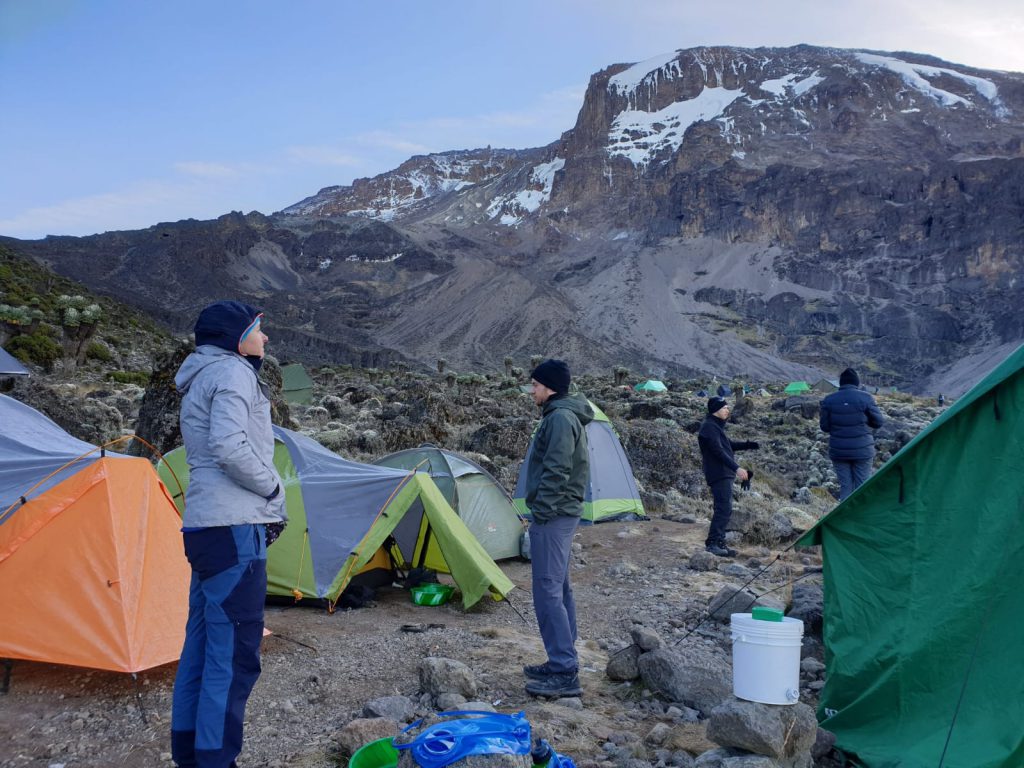
Follow Alice mountain crew carries up the water needed at every camp.
How to stay hydrated on the mountain
Staying hydrated is one of the most important things you can do to stay healthy during your Kilimanjaro trek. Dehydration at high altitude can worsen symptoms of altitude sickness and leave you feeling weak and sluggish.
Here are a few key hydration tips:
- Drink regularly: Don’t wait until you feel thirsty, thirst is a sign you’re already dehydrated. Sip water steadily throughout the day.
- Pre-load in the morning: Drink a cup or two of water at camp before heading out. This helps top up your hydration levels before you even start hiking.
- Keep drinking after you arrive at camp: Many people forget to keep drinking once the day’s hike is over. But your body is still recovering and needs fluids.
- Drink more than you think you need: Your thirst response can be dulled at altitude, so try to drink slightly more than you feel is necessary.
- Water helps with altitude symptoms: Staying well hydrated can ease common altitude sickness symptoms like headaches and fatigue. So keep sipping!
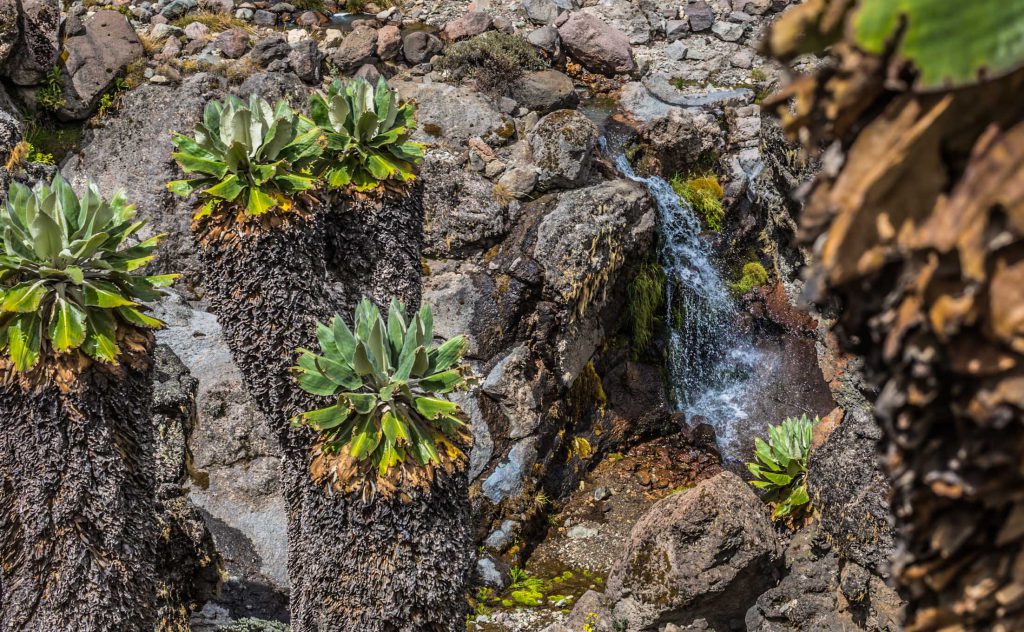
Streams on the lower half of Kilimanjaro are used to collect water.
Learn more: Hygiene advice for women climbing Mt Kilimanjaro
Travel Insurance for Kilimanjaro
We require all Follow Alice climbers to have travel insurance that covers high-altitude trekking. This is standard for all reputable Kilimanjaro tour operators.
Regular travel insurance policies typically do not cover treks above 4,000 m—so make sure you choose one that includes high-altitude trekking up to 6,000 m (Kilimanjaro’s summit is 5,895 m).
We recommend checking out World Nomads, a reliable provider that covers over 150 adventure activities, including high-altitude hiking. Their policies are easy to understand and designed for travellers just like you.
The type of travel insurance you need

Regular travel insurance doesn't cover you for high-altitude trekking.
4 reasons to visit your doctor before climbing Kilimanjaro
Before booking your Kilimanjaro trek, it’s a smart move to visit your GP. Here are four key reasons why a pre-climb checkup is essential:
1. Discuss whether trekking Kilimanjaro is right for you
We strongly recommend a physical check-up before climbing Kilimanjaro, especially if you're over 50 or have any pre-existing medical conditions. Use this opportunity to discuss whether a high-altitude trek like this is advisable for you, based on your current health and fitness level. Climbing Kilimanjaro is no small feat, and while it’s a non-technical climb, it still pushes your body to its limits. Tragically, people have died on the mountain in the past, often from issues that might have been preventable with medical clearance and better preparation. An honest chat with your GP can go a long way in ensuring you’re fit and ready for the challenge. This is also the time to ask about any medications to carry in case you develop symptoms of altitude sickness on the mountain.
2. Get a prescription for altitude medication
Altitude medication such as Diamox can help your body acclimatise more easily to high elevations by encouraging deeper, more regular breathing. However, like all meds, it comes with potential side effects—including tingling in the hands and feet, frequent urination, and taste changes. Your GP can help you weigh up the pros and cons of taking altitude meds and prescribe them if they feel it’s appropriate for you.
3. Discuss malaria prevention
While most of Kilimanjaro is too high and cold for mosquitoes, parts of Tanzania are within a recognised malaria zone, and you may pass through these areas before and after your trek. The rainforest zone at the base of Kilimanjaro is also warm and humid enough for mosquitoes to be a concern. Most travellers take a two-pronged approach to malaria prevention:
- Taking anti-malarial medication.
- Avoid bites by using insect repellent, wearing long clothing, and sleeping under mosquito nets.
Speak with your GP to get tailored advice on malaria prevention and the best medication for you based on your travel route and medical history.
4. Get up-to-date on travel vaccinations
There are no mandatory vaccines for entering Tanzania unless you’re arriving from a country with yellow fever, in which case you’ll need proof of vaccination. Still, it’s wise to review your vaccination records with your doctor and discuss any recommended jabs.
Here are some vaccinations commonly advised for travellers to Tanzania:
- Hepatitis A and B
- Typhoid
- Tetanus
- Polio
- Measles, Mumps and Rubella (MMR)
- Meningococcal meningitis
- Yellow fever (depending on your travel history)
Kilimanjaro safety
Climbing Kilimanjaro is an incredible adventure, but it’s also a serious physical undertaking. Visiting your doctor before your trip helps ensure you're prepared, healthy, and safe every step of the way. Still have questions about Kilimanjaro health prep or what to bring? Schedule a call, and we will be happy to answer any questions you might have.