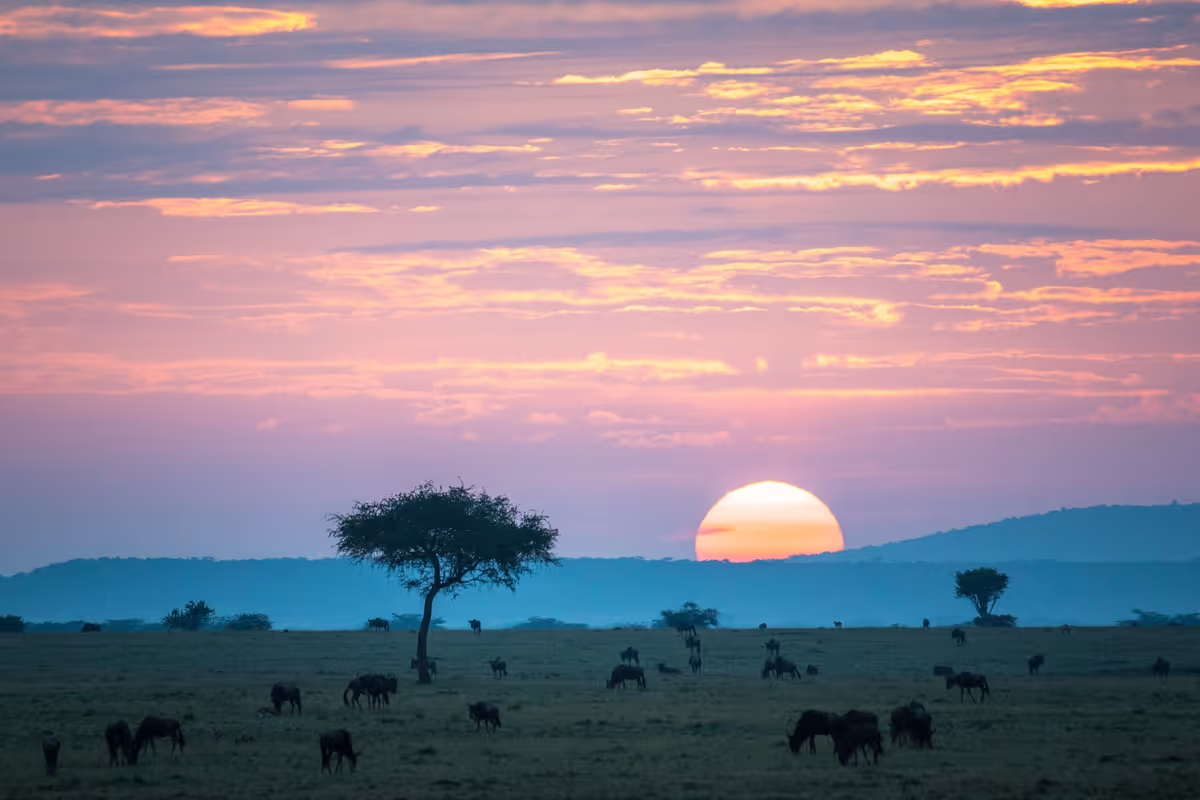








Mount Kilimanjaro towers over the Tanzanian plains, and if you’re looking for the best way up, the Lemosho Route stands out. The scenery keeps changing. You start in thick rainforest, weave through wide-open moorland, then push on into the dry, stark alpine desert before the trail swings around the southern side of the summit cone. You really get to see it all. Every one of Kilimanjaro’s five ecological zones is right there in front of you. And along the way, keep an eye out for wildlife. Colobus monkeys swing through the trees, and you’ll spot all sorts of birds you won’t find anywhere else.
As you climb higher, the trail opens up onto the Shira Plateau. Suddenly, you’re surrounded by rugged ridges and wide grassy plains, with distant peaks framing the whole scene. The Lava Tower stands out—a dramatic marker that signals you’re leaving the high moorland behind and heading into the alpine desert. Up here, the air gets colder and the ground takes on a barren, almost lunar look. Barafu Camp sits just below the summit, giving you one last night under the stars before your early morning push to Uhuru Peak. Reaching the top as the sun rises, seeing Africa’s highest point unfold in the light is a feeling you’ll never forget.
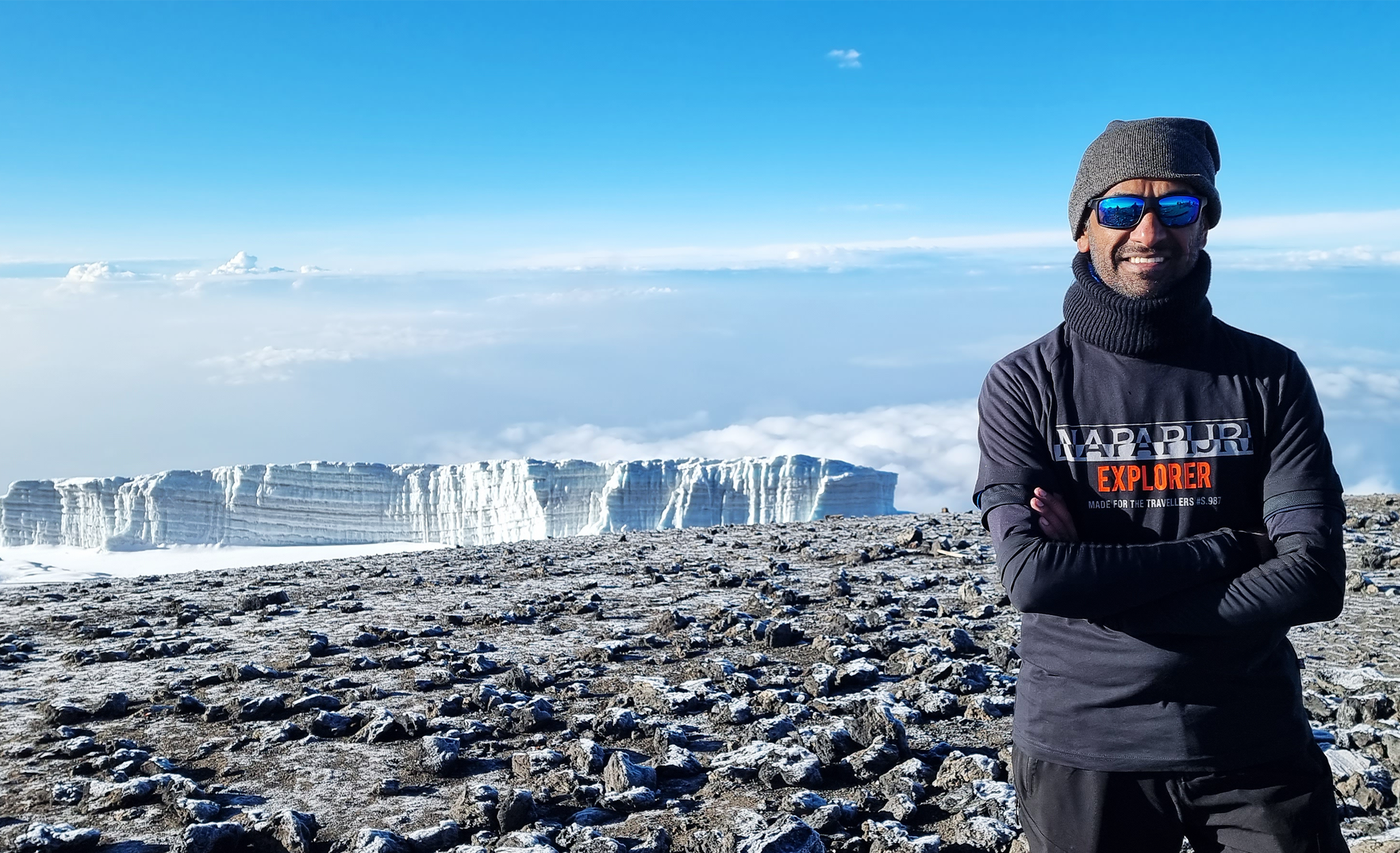
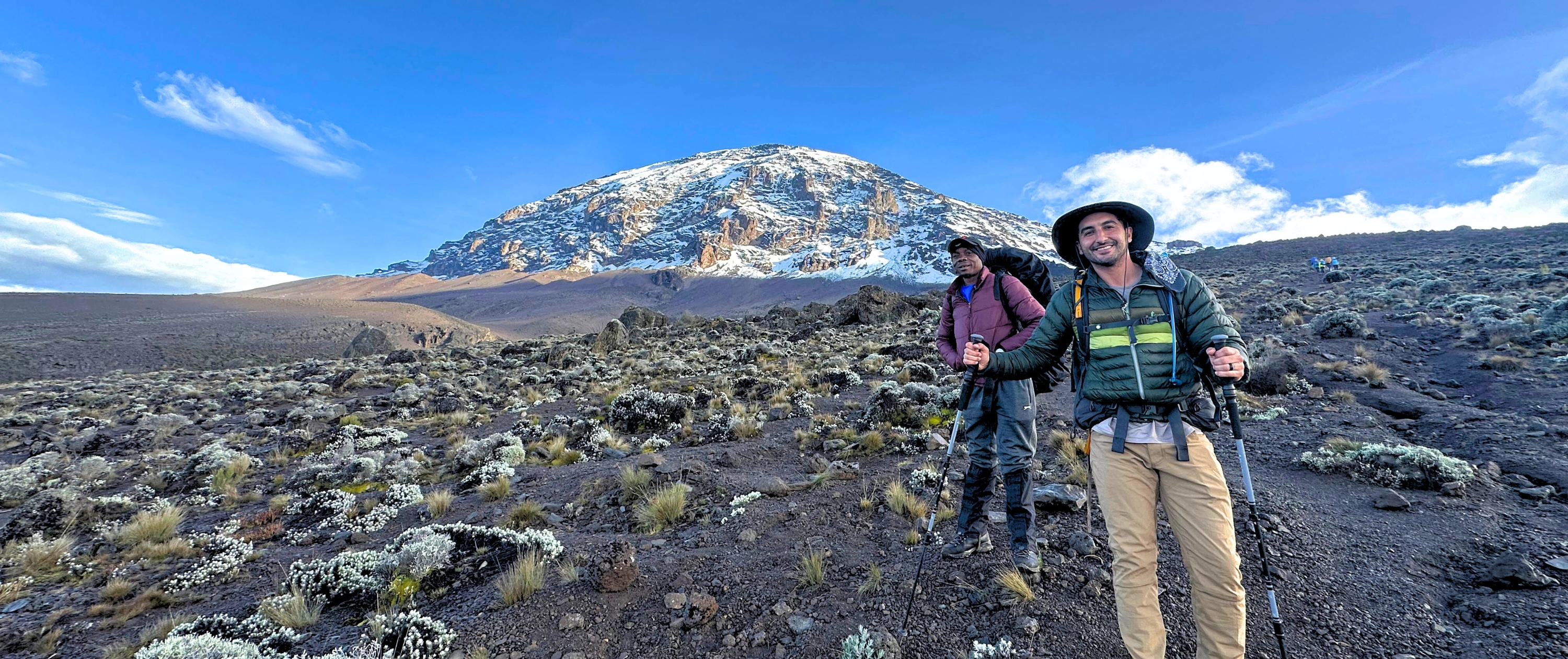
A trekker makes their way along the snowy slopes of the Lemosho Route.
Learn more: The Lemosho route on Kilimanjaro – a detailed day-by-day description
7-Day vs 8-Day Lemosho Route
You can climb the Lemosho Route over seven or eight days, with both itineraries following the same trail. The real difference? Pacing. That extra day isn’t just padding; it gives you more time to adjust, makes the climb feel less rushed, and honestly, it’s a lot easier to enjoy everything around you. You’ll move from thick rainforest into wide-open alpine desert, and every part of the journey feels smoother when you’re not in a hurry. So, how do the seven-day and eight-day treks really stack up? Let’s break down what each one brings to your summit push.
The 7-Day Lemosho Route
The 7-day Lemosho itinerary begins at Lemosho Gate, where trekkers pause for a brief lunch before transferring to Lemosho Gate to start the climb. From the trailhead, the path winds through dense rainforest alive with the calls of colobus monkeys, leading to Mkubwa Camp, the first overnight stop is nestled among towering trees and thick undergrowth.
On the second day, the trail emerges from the forest into open moorland, climbing steadily onto the Shira Plateau. Shira Camp 2 offers expansive views of Kibo’s imposing cone, a glimpse of the summit that grows larger with every step.
Day 3 focuses on acclimatisation, with the climb to Lava Tower, a dramatic volcanic ridge, before you head down to Barranco Camp. The altitude gain here helps the body adjust to the thinner air while offering striking panoramas across the plateau.
Day 4 continues with the ascent of the Barranco Wall, a steep but manageable climb, before traversing ridges to reach Karanga Camp.
From Karanga, the path leads to Barafu Camp on Day 5, the final staging point before the summit.
In the pre-dawn hours of Day 6, trekkers begin the push to Uhuru Peak. Arriving at sunrise, the panorama from Africa’s highest point rewards the early start, after which the descent begins to Mweka Camp.
Day 7 completes the journey, winding through forested trails to emerge at Mweka Gate.
This condensed itinerary is best suited to climbers who are fit, well-acclimatised, and comfortable with a demanding schedule. While the pace allows less time to adapt to altitude, it still offers the full variety of the Lemosho Route from rainforest and moorland to alpine desert and the summit itself in a compact, memorable journey.
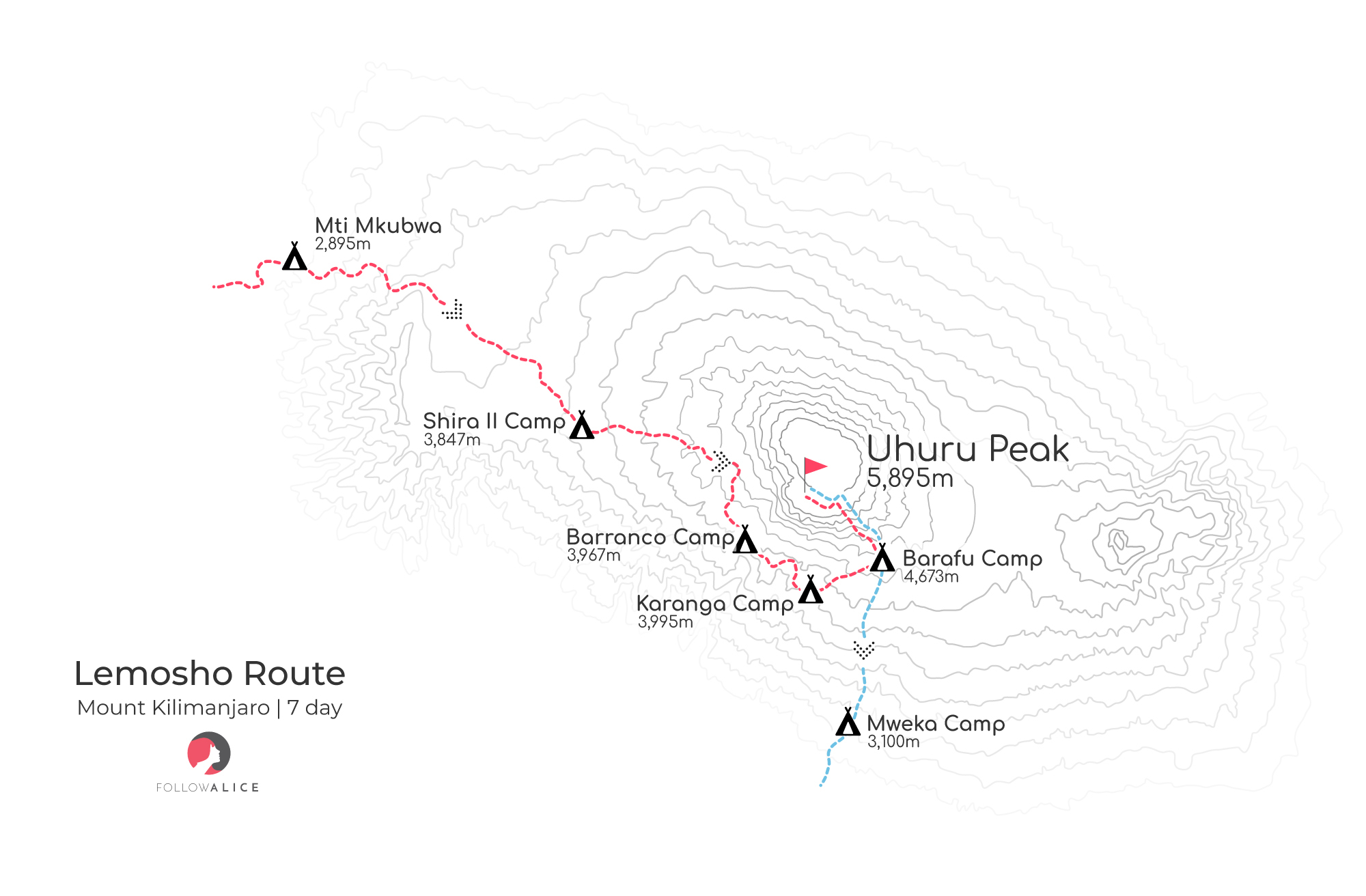
Map of the Lemosho 7-Day Trek.
Learn more: How much does it cost to climb Kilimanjaro? (2025 pricing)
The 8-Day Lemosho Route
The 8-day Lemosho itinerary trek sticks to the same trail as the 7-day route but throws in an extra day for acclimatisation. That one extra day? It makes a huge difference; people feel better, and more of them reach the summit. With the slower pace, you get to hang out longer at mid-altitude, usually with an extra night at Shira 1 or Karanga Camp so your body can catch up before you hit the tougher, higher sections.
You start in the rainforest, winding up through thick greenery until you reach Mkubwa Camp. After that, the path climbs onto the Shira Plateau, where you get these wide-open views stretching back toward the Rift Valley. Each day strikes a balance: you work hard, but there’s always time to recover. That extra acclimatisation day gives you a real shot at the “climb high, sleep low” strategy, which is a game-changer for adjusting to the altitude.
By the time you hit Barafu Camp, you’ve spent plenty of time around 4,000 meters, so your body’s ready for the final summit push in the early morning. This careful pacing is why the 8-day Lemosho route has such a high summit success rate, right up there with the Northern Circuit. Honestly, for most people, spending just one more day on the mountain turns what could be a hard climb into something manageable and genuinely rewarding. Plus, you get more moments to soak in the rainforest, the open plateau, and the wild alpine desert as you go.
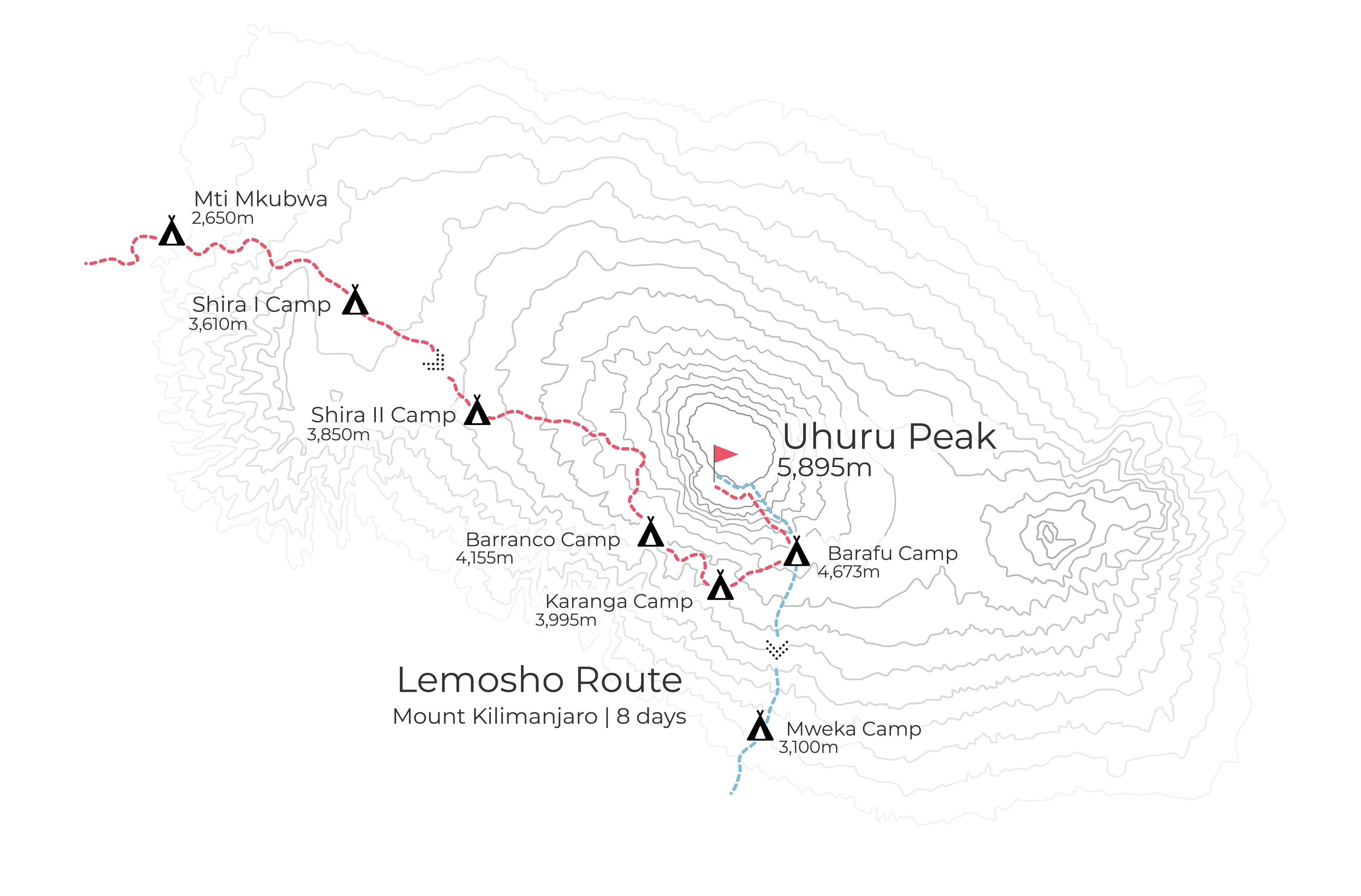
Map of the 8-Day Lemosho Route on Kilimanjaro.
Learn more: Lemosho vs Northern Circuit – a comparison of two great Kilimanjaro routes
Comparing the 7-Day and 8-Day Lemosho Route
The main difference between the 7-day and 8-day Lemosho Routes is how time is allocated for the climb. The 7-day schedule pushes through the mountain at a faster pace, requiring climbers to adjust quickly to altitude and manage longer days on the trail. In contrast, the 8-day route adds an extra night at strategic points, giving the body a better chance to adapt and recover. This slower progression not only improves comfort but also increases the likelihood of summiting successfully.
Spending an extra day at moderate altitude allows trekkers to follow a more effective “climb high, sleep low” approach, easing the strain on the body as it adjusts to thinner air. It also gives more breathing room to appreciate the mountain’s changing landscapes from rainforest and moorland to alpine desert without feeling rushed. Over years of guiding climbers, we’ve found that this extra day often transforms the climb from challenging to achievable, turning the Lemosho experience into a journey that’s both rewarding and memorable.
To help plan your climb, Follow Alice has prepared a table highlighting the differences between the two routes:
Learn more: The ultimate Kilimanjaro packing list (+ free PDF)
Why acclimatisation days matter
At high altitude, the body needs time to adjust to lower oxygen levels. Acclimatisation days allow red blood cell counts to rise, breathing to stabilise, and energy levels to recover. On the 8-day Lemosho Route, this gradual ascent gives climbers more time to rest and adapt, ensuring they are stronger and better prepared for the summit push.
Most cases of altitude sickness occur when climbers move too quickly. By slowing the rate of ascent, the 8-day itinerary lowers this risk significantly, increasing the chance of reaching Uhuru Peak without serious issues. The extra day also provides moments to savour the mountain. Watch the sun dip behind Shira Ridge, pause to rest after the Barranco Wall, or simply absorb the stillness of the alpine desert before summit night. These quiet, unhurried experiences are part of what makes the Lemosho Route a truly memorable journey.
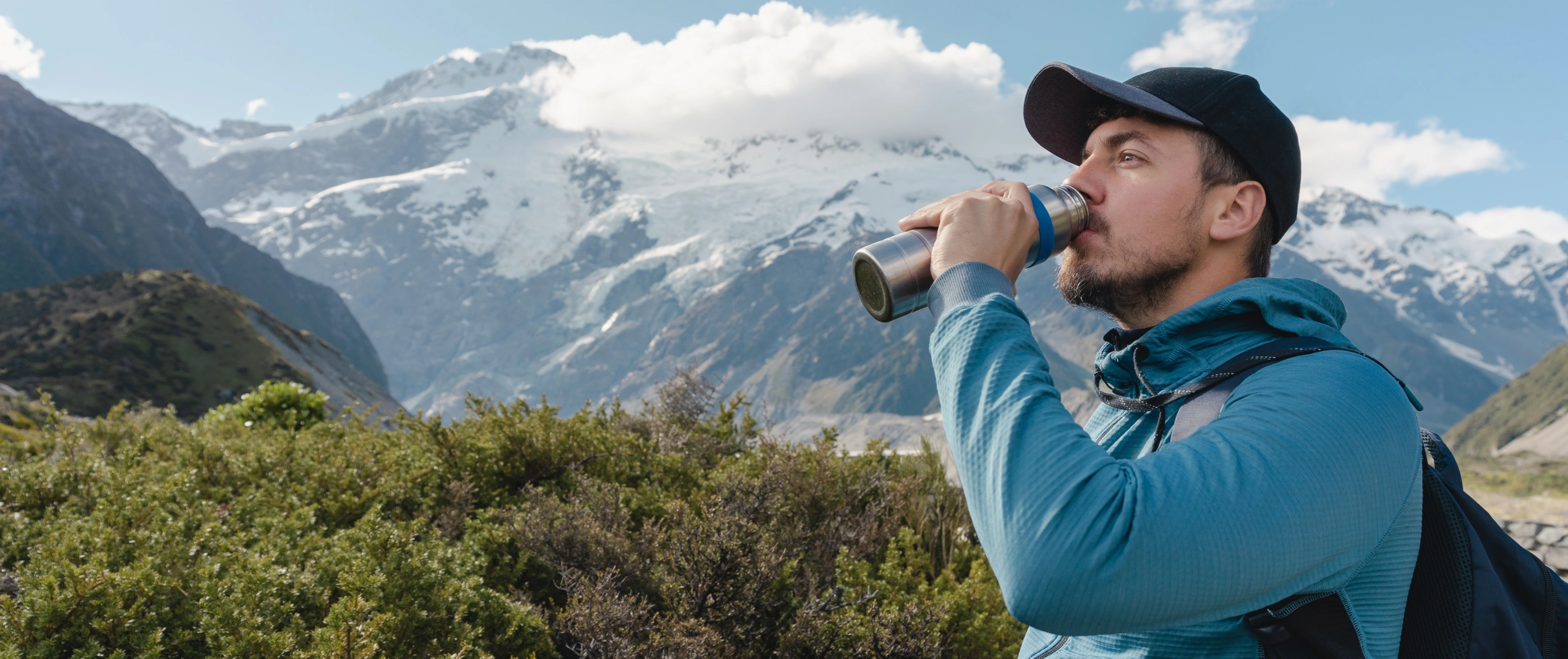
Always stay well hydrated while acclimatising to high altitude.
Have a look at this video highlighting this scenic route:
Follow Alice's Take
The Lemosho Route is one of our favourite ways to climb Kilimanjaro, offering a rare combination of varied scenery, quiet trails, and a high summit success rate. Along the way, climbers experience the full range of Kilimanjaro’s ecosystems, from dense forest to windswept alpine desert.
Lemosho is both scenic and strategic. Its gradual ascent provides an excellent acclimatisation profile, making it a safer and more comfortable climb. While both the 7-day and 8-day routes deliver the complete experience, we recommend the 8-day option for most trekkers. The slower pace allows the body to adjust more effectively, reduces fatigue, and offers the highest chance of reaching Uhuru Peak.
Another standout feature of Lemosho is its solitude. The western trailhead sees fewer climbers than the popular Machame or Marangu routes, so the first days are quiet and immersive, with less crowded campsites. Even after the trail merges with the southern circuit near Barafu, the overall experience remains peaceful, allowing climbers to truly take in the mountain’s beauty. For those seeking both challenge and calm, Lemosho provides an unforgettable, private journey to Africa’s “roof.”
If you’re unsure which itinerary suits your schedule or fitness, our Follow Alice team can guide you. We’ll help you choose the route that best fits your climb and prepare for a safe, rewarding ascent.