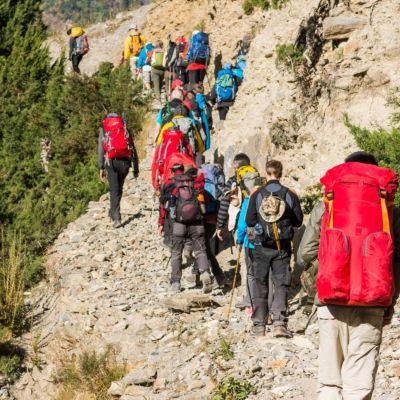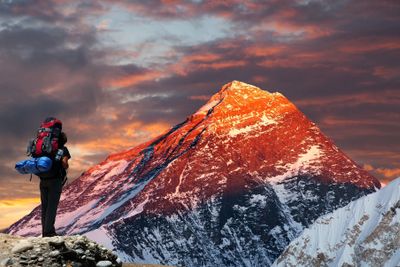



How difficult is it to get to Everest Base Camp? The route reaches 5,364 metres on the Nepal side, where the air contains roughly half the oxygen available at sea level. The trek takes 12 to 14 days and involves long days of walking through the Khumbu region of Sagarmatha National Park. There are no ropes, no technical climbing skills required, and no summit push. The challenge comes from the altitude, the distance, and the time spent on the trail.
This combination of challenges is also what makes the trek so rewarding. Spending nearly two weeks steadily gaining altitude through mountain villages teaches lessons that a shorter climb cannot. Here are eight lessons that are unique to the Everest Base Camp trek.
Learn more: 15 things you need to know before doing the Everest Base Camp trek
1. Height of Everest Base Camp
At 5,364 metres above sea level, Everest Base Camp is higher than many famous mountains and trekking destinations around the world. At this altitude, the air contains roughly half the oxygen available at sea level, making every step feel more demanding.
One of the biggest lessons of the EBC trek is that fitness alone is not enough. Strong, experienced hikers can still develop altitude sickness, while slower trekkers who pace themselves often reach base camp without problems. The trek teaches you to respect altitude, listen to your body, and understand that acclimatisation is just as important as physical fitness. You have to make sure your body adjusts to a higher altitude in order for you to actually get to the top.
Learn more: Where is Everest Base Camp?
2. Acclimatisation days
Everest Base Camp itineraries include scheduled acclimatisation days, usually in Namche Bazaar and Dingboche, because adjusting to altitude is too important to leave to chance. These are often called "rest days", but they rarely involve sitting around. Instead, trekkers hike to a higher elevation during the day before returning to sleep at a lower altitude. This follows the mountaineering principle of "climb high, sleep low", which helps the body gradually adapt to thinner air.
For many trekkers, these acclimatisation days can feel frustrating. You are making good progress, feeling strong, and eager to get closer to Everest. Your guides ask you to slow down and spend an extra day in the same village. The reason is to allow your body time to produce more red blood cells, improve oxygen, and adjust to the reduced oxygen levels at altitude. No amount of fitness can speed up this process.
The lesson here goes beyond trekking. Everest Base Camp teaches that progress is not always about moving forward as quickly as possible. Sometimes the smartest thing you can do is pause, trust the process, and give yourself the time you need to adapt. On the mountain, patience is not passive. It is an active decision that often makes the difference between reaching base camp and turning back early.
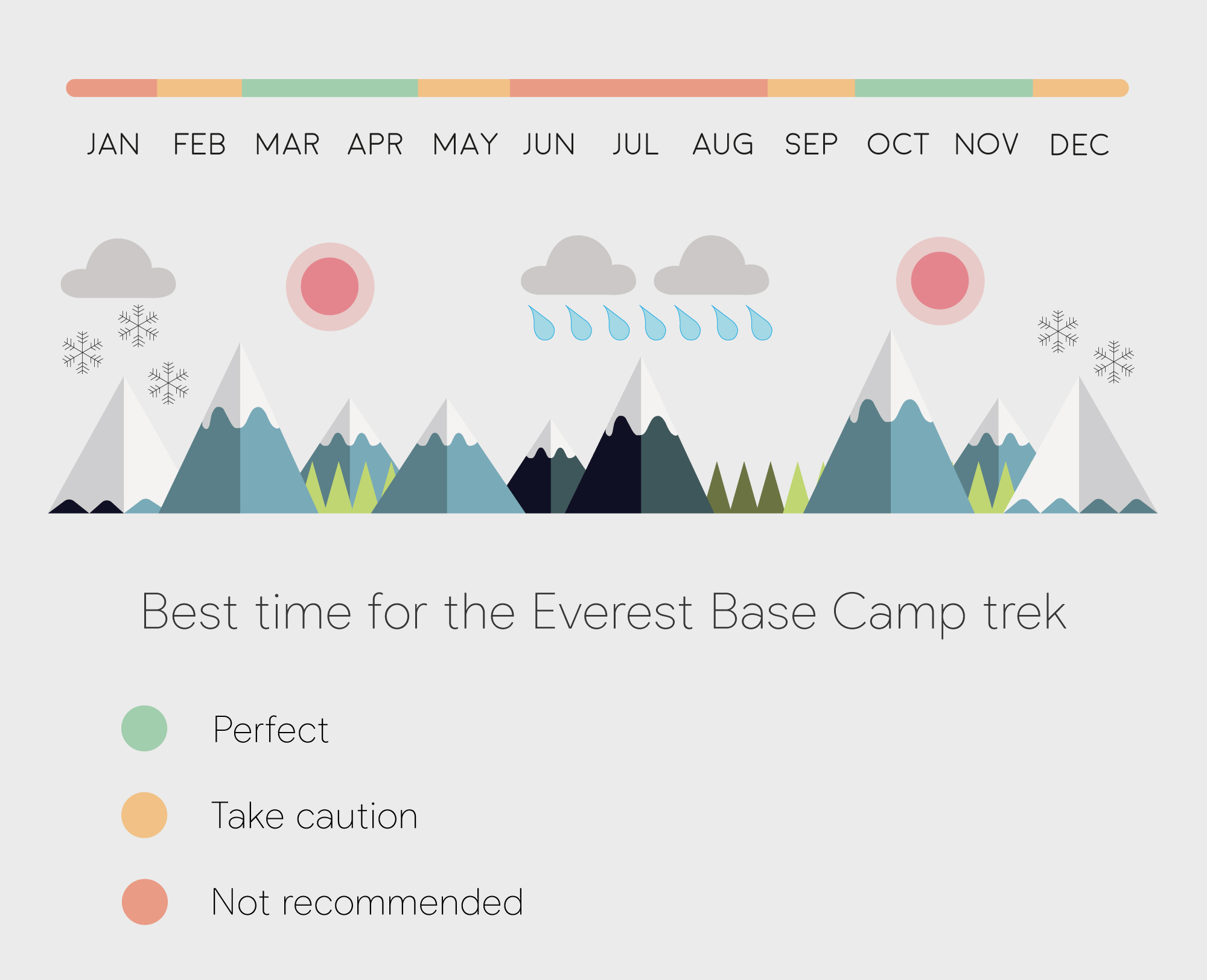
Learn more: Best time to trek Everest Base Camp
3. The hike to Everest Base Camp
Many trekkers want to know how long the hike to Everest Base Camp is. Most itineraries take 12 to 14 days, which makes it as much a test of consistency as it is of fitness. Unlike a climb such as Kilimanjaro, where there is a clear summit night to focus on, the Everest Base Camp trek requires you to show up day after day, often while dealing with fatigue, sore muscles, and the effects of altitude.
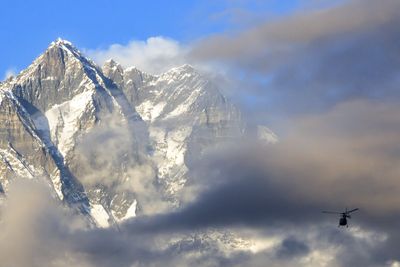
By the second week, the excitement of starting the trek has usually worn off. You may wake up feeling tired, walk in cold temperatures, or find yourself moving more slowly as the altitude increases. It's here when you need to remember that the trail keeps going, and so do you. There is no shortcut and no single heroic effort that gets you to the finish. Unless you opt for an EBC luxury tour, which includes a helicopter ride.
One of the biggest lessons the trek teaches is the value of pacing yourself. Success at Everest Base Camp is rarely about having your best day on the trail. It is about managing the difficult days, staying patient when progress feels slow, and continuing to put one foot in front of the other. Over time, you learn that consistency beats intensity, both on the mountain and in life.
4. The Sherpa villages
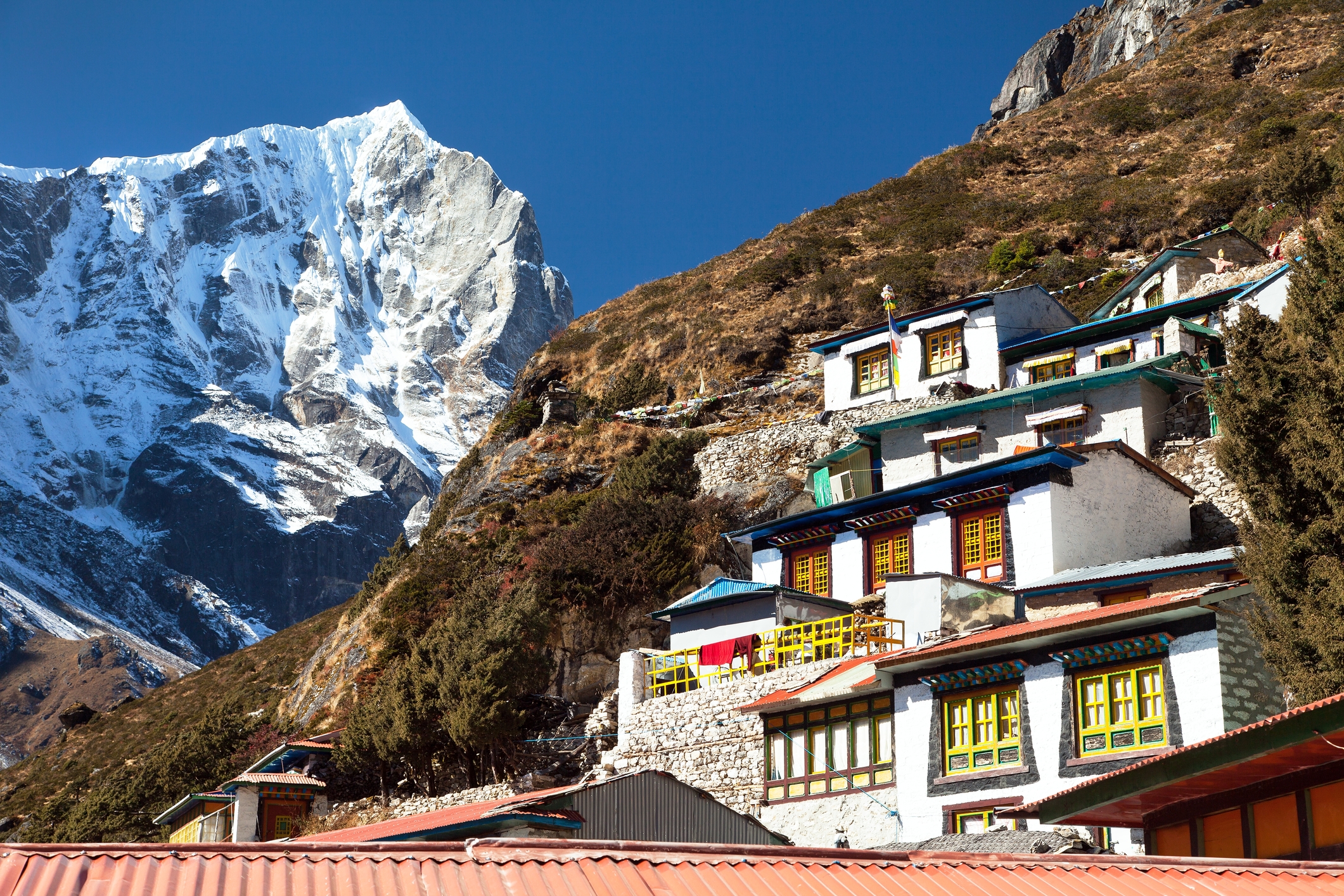
One of the most unique parts of the Everest Base Camp trek is that it takes you through living Sherpa communities rather than remote wilderness. Along the route, you'll pass through villages such as Namche Bazaar, Khumjung, and Pangboche, where families have lived for generations in the shadow of the world's highest peaks.
As you trek, you stay in local teahouses, share dining rooms with residents and fellow trekkers, and get a glimpse into everyday life in the Himalayas. You see children walking to school, farmers tending fields, and shopkeepers going about their day at altitudes where most visitors struggle to catch their breath. One of the most fascinating things is how well their bodies have adapted to the thin air. Some Sherpa people actually feel less comfortable at sea level than they do high in the Himalayas.
This experience changes the way you see the trek. Everest stops being just a destination or a personal challenge and becomes a place with a rich culture, history, and community. The lesson is one of perspective. The mountains are not simply a backdrop for your adventure; they are home to the people who live among them. Walking through the Khumbu teaches respect for both the landscape and the communities that have adapted to life in one of the most demanding environments on Earth.
Learn more: How much does the Everest Base Camp trek cost?
5.Walking through a living Buddhist landscape
The Everest Base Camp trek is not just a journey through the Himalayas; it is also a spiritual experience through the heart of Sherpa Buddhist culture. From the moment you enter the Khumbu region, you'll notice colourful prayer flags stretching across valleys, carved mani stones lining the trail, and prayer wheels spinning outside homes, lodges, and monasteries.
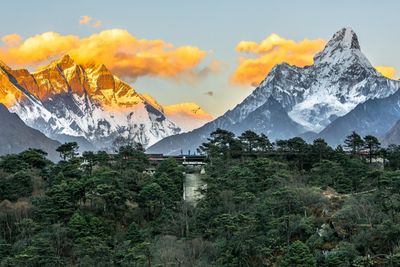
One of the trek's cultural highlights is a visit to Tengboche Monastery, the largest and most important monastery in the Khumbu. Set against a backdrop of towering Himalayan peaks, it serves as a spiritual centre for local communities and climbers alike. Many trekkers pause here to attend a prayer ceremony or simply take in the peaceful atmosphere before continuing higher into the mountains.
Along the trail, you'll also learn small customs that carry significant meaning. Trekkers are asked to pass mani walls, chortens, and other sacred monuments on the left-hand side as a sign of respect. It is a simple practice, but one that reminds you that you are travelling through a place that is both culturally and spiritually significant.
Over time, these experiences begin to shape how you view the mountains. The Everest Base Camp trek teaches that the Himalayas are not something to be conquered. For the people who live here, they are sacred and deserve respect and reverence. By the time you reach base camp, many trekkers find that their focus has shifted from achievement alone to an appreciation of the culture, traditions, and beliefs that have been part of this landscape for generations.
Learn more: Nepal trekking permits and fees (2026)
6.Why trek to Everest Base Camp
Everest Base Camp is, by definition, not a summit. There is no final push to the highest point, no flag planted at the top, and no moment of standing above everything else. Instead, it is a working camp, a staging ground where expeditions prepare for the climb ahead. That is exactly what makes it worth trekking to.
The EBC trek is not about reaching the summit of Everest; it is about stepping into its world. It exists because most people who go there are not attempting the mountain itself, but still want to experience the landscapes, culture, and rhythm of high-altitude life for a short time. Everest Base Camp Trek offers access to a journey through the Khumbu Valley, where Buddhist monasteries, Sherpa villages, and glacial terrain shape every stage of the route.
What you gain isn’t a summit moment, but it’s perspective. You move gradually into a high-altitude environment where the landscape becomes more austere, the air thinner, and daily progress more intentional. It is immersive rather than competitive.
This shifts how achievement feels. Reaching Base Camp shows that meaningful goals are not always about going as far as physically possible. Sometimes success is choosing a realistic endpoint, respecting your limits, and still committing fully to the journey that takes you there.
For many trekkers, arriving at Everest Base Camp is not about what lies beyond it. It is about recognising that “enough” can still be deeply meaningful and that turning back at the right point is simply part of completing the experience.
{{leadmagnet-one}}
7. The Lukla Flight teaches you to let go
Before the walking even starts, most EBC trekkers fly into Lukla, an airstrip regularly named among the most weather-dependent in the world. Flights are delayed, rerouted, or cancelled without warning, sometimes for days at a time. The lesson arrives before day one: you can plan, train, and prepare meticulously, and still hand control of your schedule to the weather. EBC teaches you to hold your plans loosely from the very first morning.
8. Sharing the trail with others
EBC is one of the more sociable major treks in the world. Teahouses are shared, trails are busy in peak season, and conversations with strangers heading the same direction are constant. Unlike a solitary technical climb, the achievement is witnessed and shared by dozens of people doing the same thing at the same time. The lesson is that reaching base camp is not a private triumph; it is a collective one, and that changes how it feels to get there.
.jpg)
Climb EBC
So what does the Everest Base Camp trek teach you, beyond how to manage altitude and pace yourself for two weeks? These eight life lessons exist specifically because of what EBC is: high enough to demand respect, long enough to demand pacing, populated enough to demand humility, and built around base camp rather than a summit. They are not lessons any difficult trek would teach. Kilimanjaro, for instance, compresses its hardest lesson into a single brutal summit night; EBC spreads its lessons across two weeks of sustained effort instead. Different mountains, different lessons, the same honest answer to the question most people are really asking: is this worth it? For EBC, it is.
{{leadmagnet-two}}