


Adventuring made easy
Our dedicated travel consultants make adventuring easy for you by taking away all of the admin. Your only jobs are to train for the adventure if necessary and then pack your bags!



Your local guide fetches you from Tribhuvan International Airport and drives you to the hotel in Thamel, Kathmandu. Your climb group has dinner together so you can get to know one another and be briefed on the adventure ahead. Your guide also conducts a gear check to ensure you have all that you need. Then it’s time to rest up after your travels so you’re bright-eyed for your flight to the Everest region tomorrow!

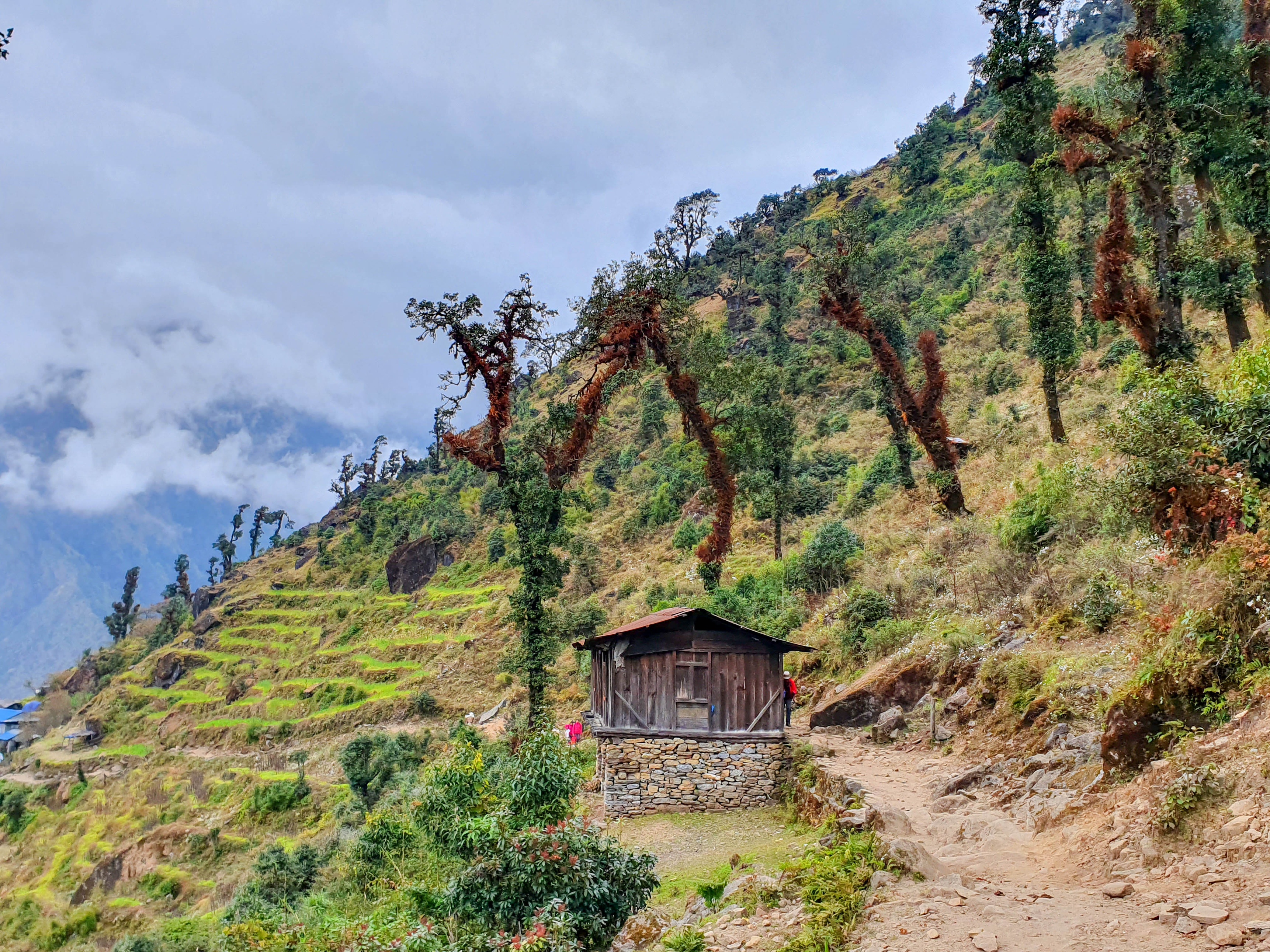
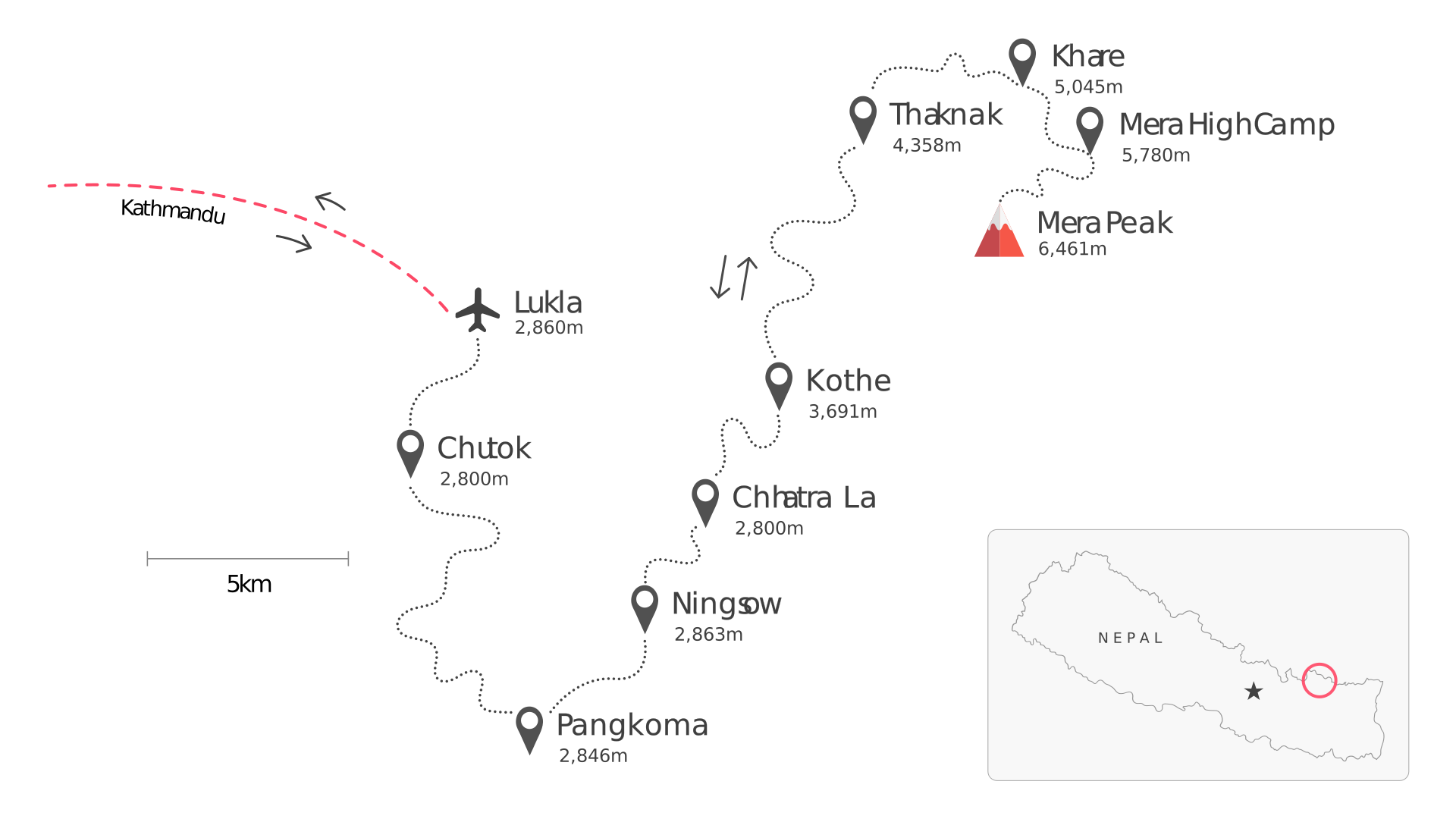
This morning you catch a short and incredibly scenic flight to Lukla (2,860 m), the mountainside Sherpa town known as the Gateway to Everest. Once disembarked, it’s time to give your duffel bags to the porters and then hoist up your daypacks and start trekking south down the Dudh Kosi river valley. The trail you follow leads through thick evergreen and is very pretty. Your destination for the night is the village of Chutok (2,800 m), where you stay in your first teahouse (lodge) of the trek.
The trail today continues to be very pretty, and in spring you can see rhododendron forests awash with pink and red blooms. You pass many steeply terraced fields and some picturesque hamlets, and enjoy a lovely view when you follow a very old path up to a ridge to the east. You then descend into the out-of-the-way Khare Khola river valley. Once you reach your teahouse in Pangkoma (2,846 m), you might like to visit the village’s Tibetan Buddhist monastery called Tashi Sangag Chholing.


The trail today leads through pine, rhododendron and bamboo forests and takes you alongside further farms and villages. But you now trek in a northerly direction, beginning the second half of your V-formation trek. A steep and winding path of stone steps leads you up and over Pangkongma Pass, and then down into Hinku Valley. Excitingly, you have your first glimpse of the south face of Mt Mera at the top of Pangkongma Pass! You overnight in the hamlet of Ningsow (2,846 m).
You continue trekking today up through the valley’s dense forests of rhododendron, pine, oak and birch trees to reach your teahouse in Chhatra La (2,800 m). The communities of the Hinku valley are formed primarily by the Sherpa and Rai people, both of whom have a rich cultural heritage. While the Sherpa are well known for their connection to Everest, the Rai are less widely known. They have Tibeto-Burman roots and are one of the oldest tribes of Nepal.
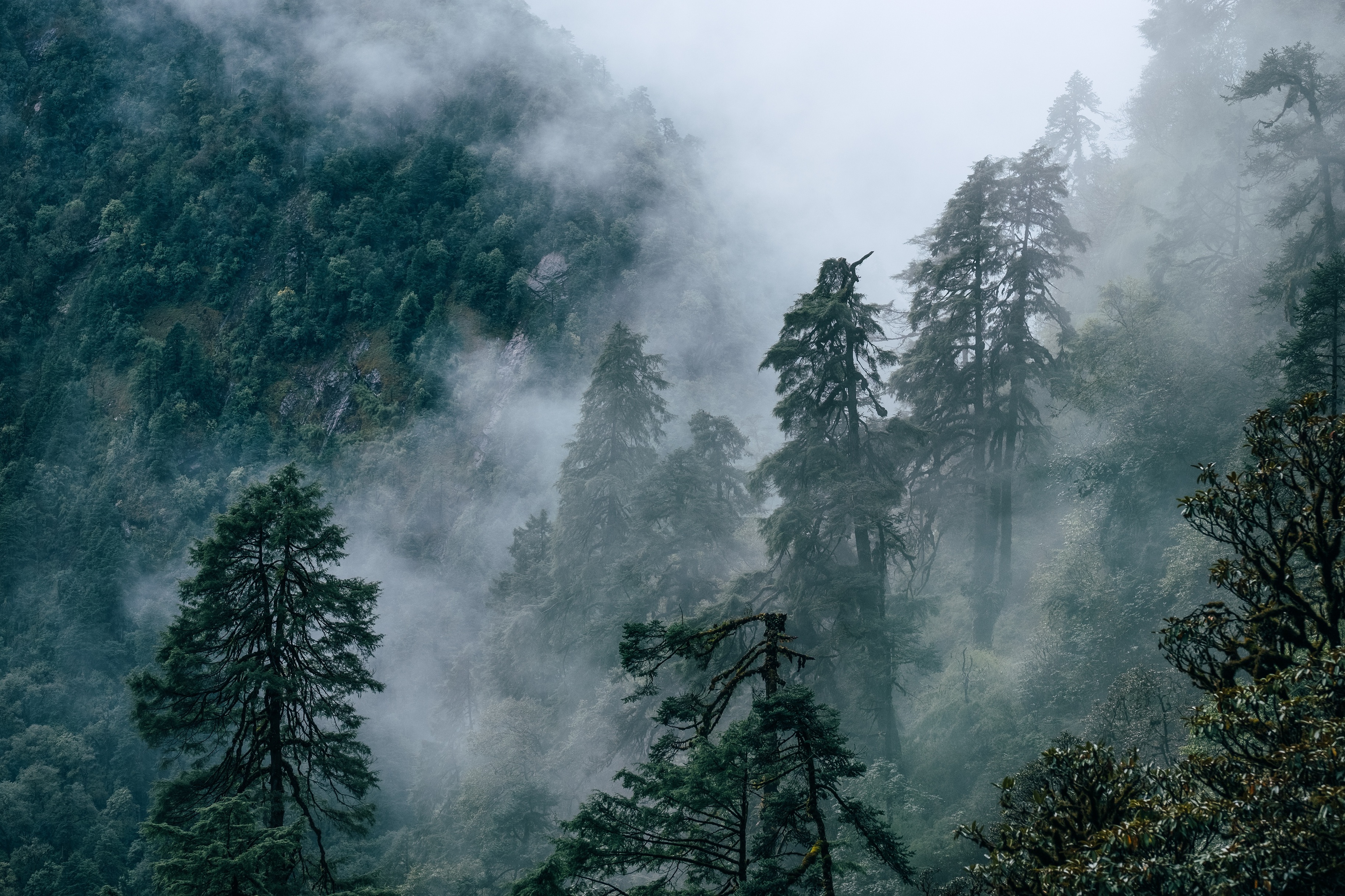

Continue trekking north up the Hinku river valley, passing through bamboo and fir forests and ending up at the picturesque riverside village of Kothe (3,691 m), which sits just to the southwest of Mera Peak. You have to put in some proper legwork today as you ascend nearly a vertical kilometre in elevation. Today is when you likely start to feel the first real effects of the high altitude.
Today we enter Makalu-Barun National Park, named for Makalu Peak (8,463 m) and Barun Glacier. Unlike neighbouring Sagarmatha National Park, which has developed greatly in recent years as a result of trekkers and climbers heading to Everest, Makalu-Barun is mostly true wilderness. The trail today leads you north and further into the remote upper Hinku river valley, passing through grazing pastures and small settlements to reach the village of Thaknak (4,358 m).
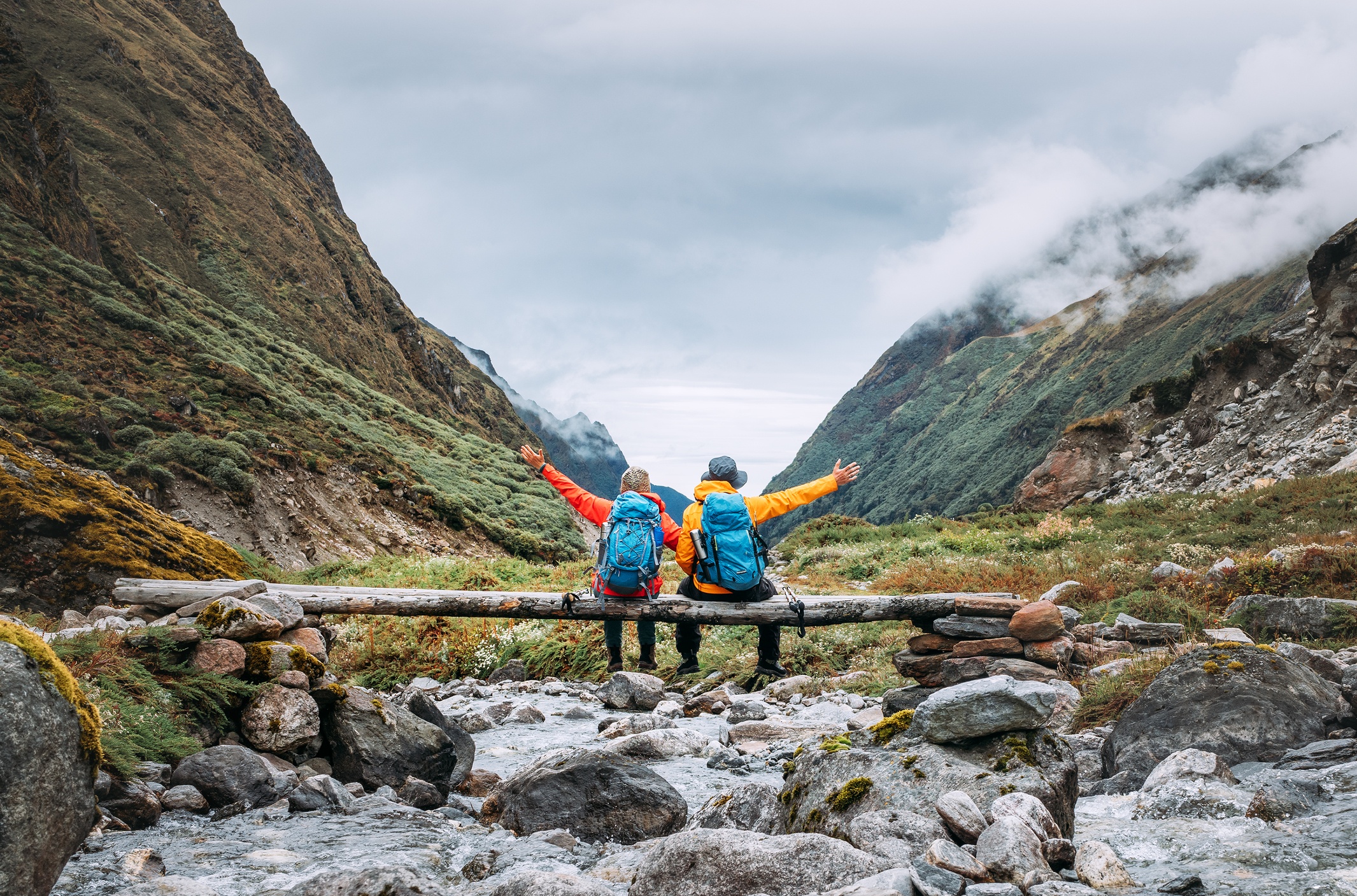
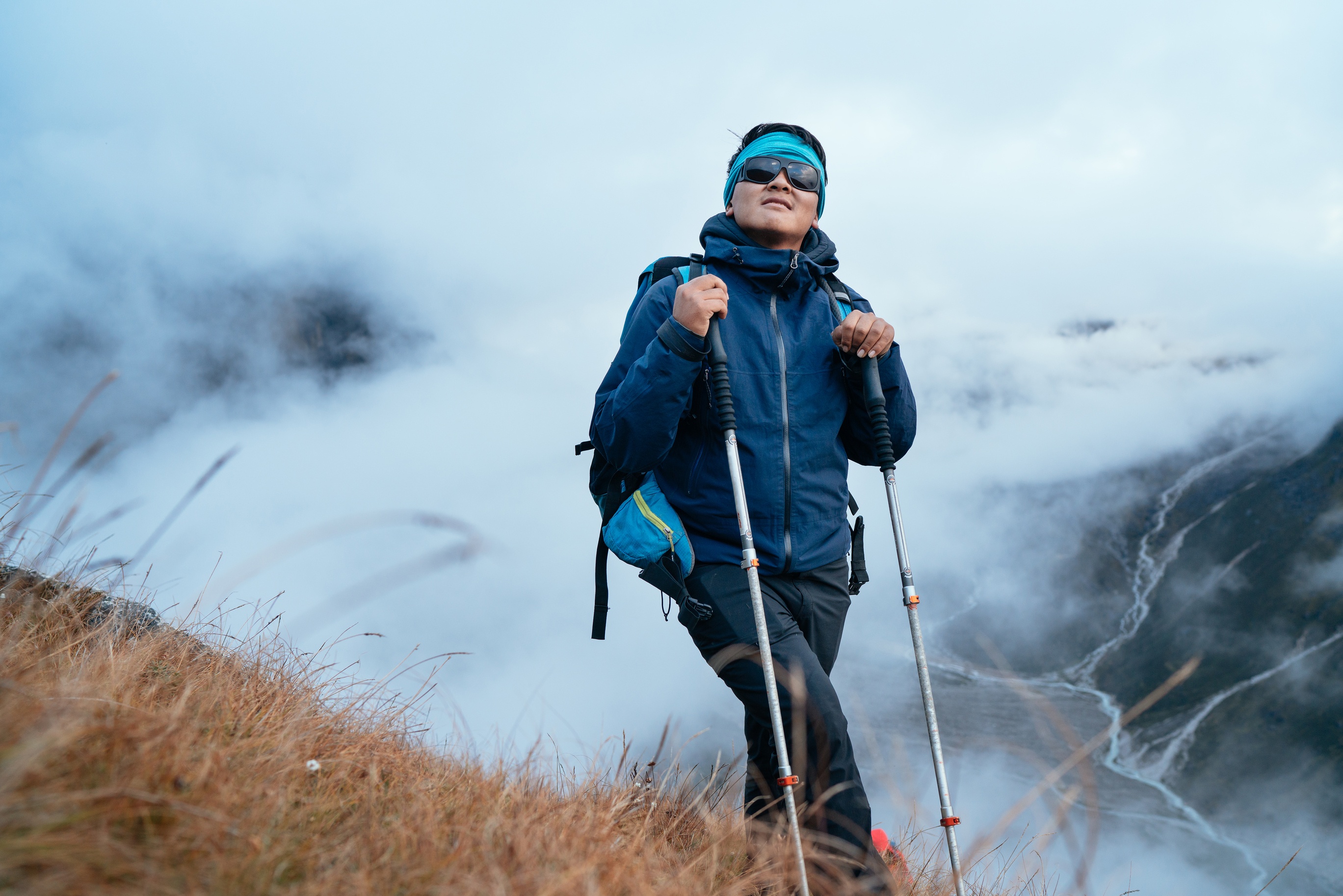
Today is an important rest day. If you have the energy, we suggest taking an acclimatisation hike in the surrounding hills to see the lake Sabai Tsho and enjoy stunning views of Mera and other nearby peaks. Also keep your eyes open for wildlife like rare snow leopards, red pandas, musk deer and bharals (blue sheep). There are also hundreds of varieties of orchids to appreciate.
This morning you head off east over glacial moraines to reach the settlement of Khare (5,045 m), enjoying spectacular views of the northern face of Mera Peak both en route and from your teahouse. You can settle in a little more than usual at your accommodation as you spend two nights here, since tomorrow is an acclimatisation day as well as your training in the mountaineering skills you need for climbing Mera Peak.
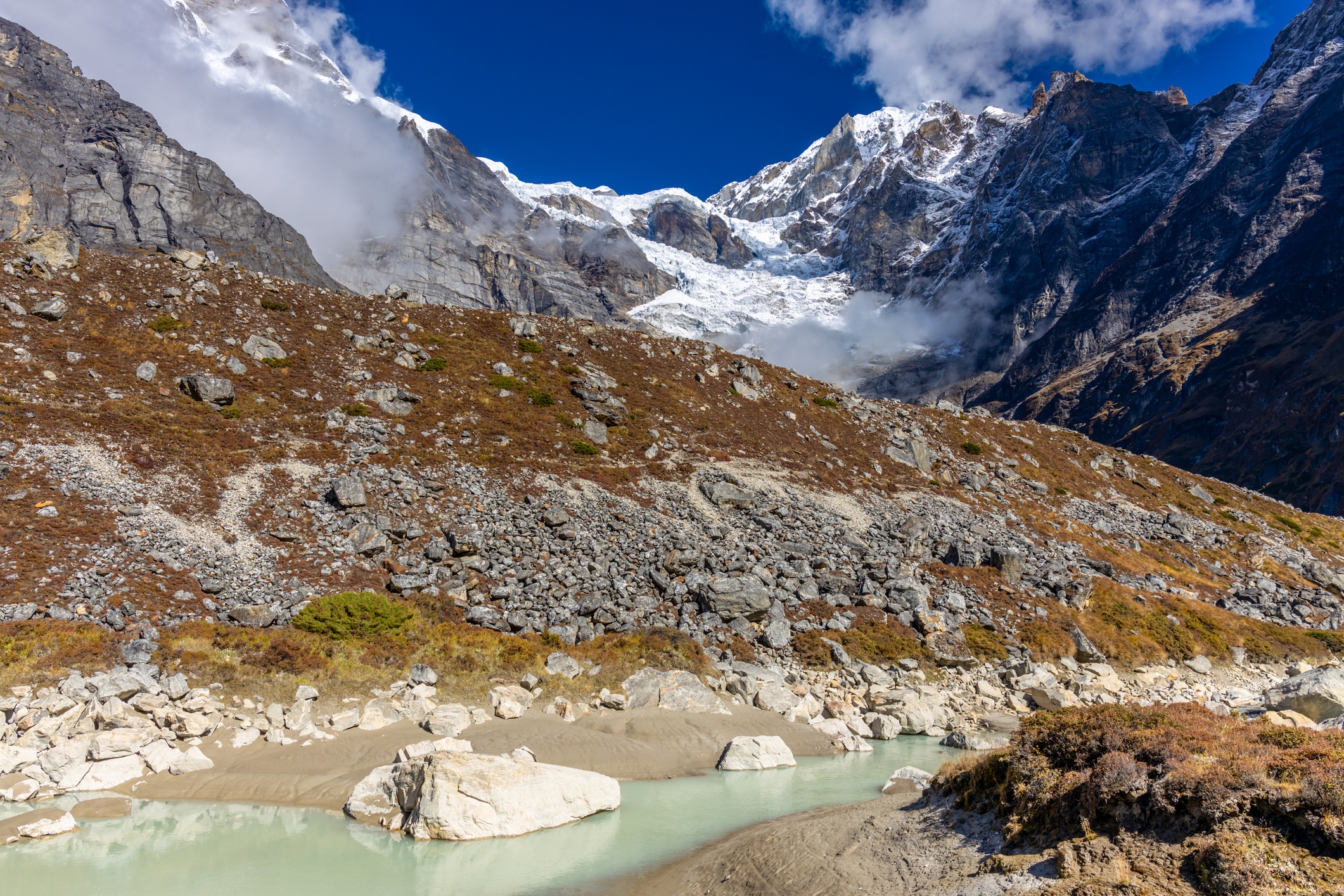
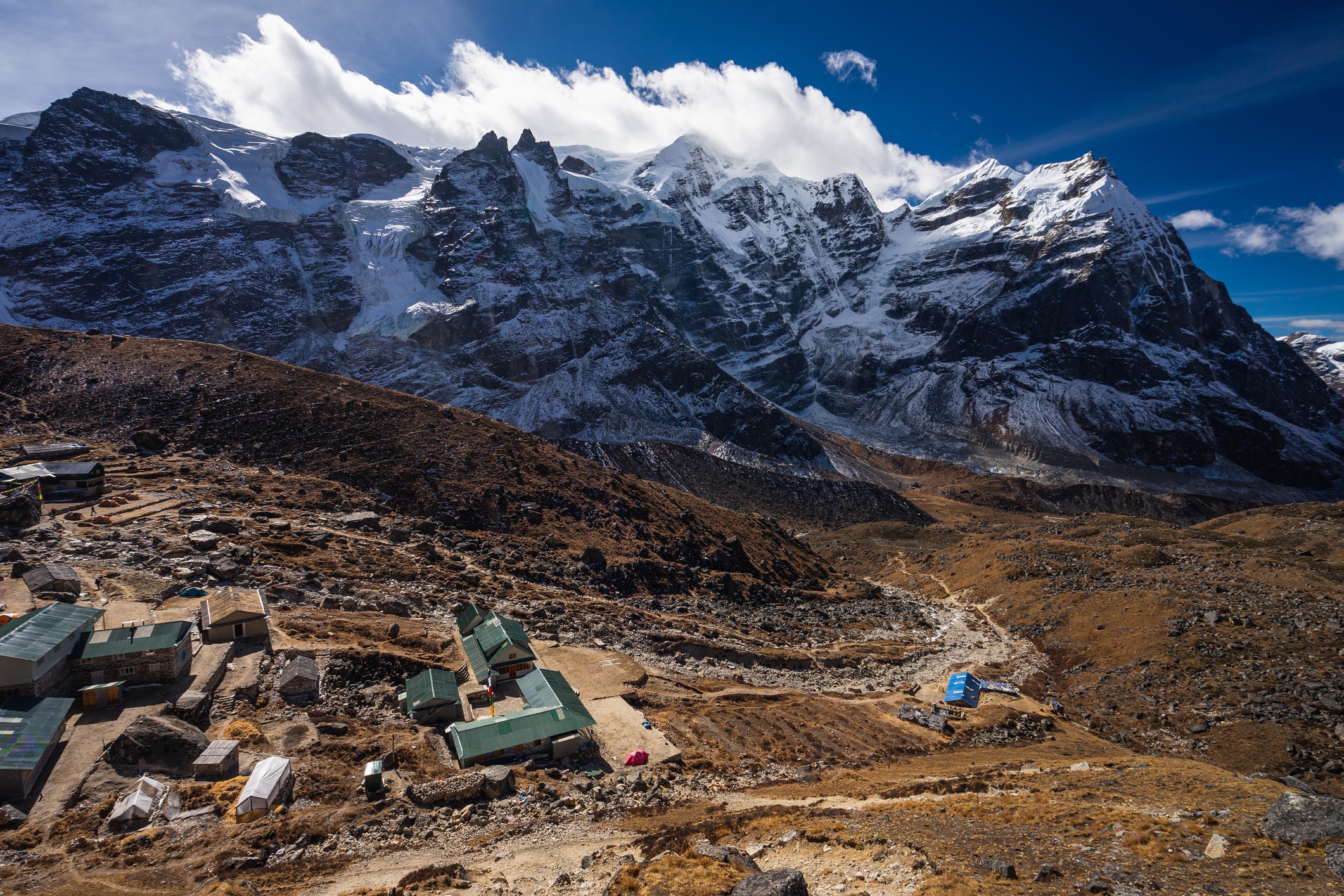
The mountaineering portion of your adventure is about to begin! Today your guide teaches you how to walk in crampons and how to climb on snow and ice using ropes and ice picks. It’s a good time to not only learn the basics but also practise them so that you feel confident tomorrow, when you head up to base camp.
Today’s task is trekking to Mera High Camp (5,780 m), where you spend your first night in a tent. The trek to high camp takes you over rocky and icy terrain, and so it’s time to pull out your mountaineering equipment and employ your newly learned skills. The views en route and from high camp itself are every bit as thrilling as you might’ve hoped, and include Everest, Makalu, Lhotse and other towering greats.


You start your adventure in the dark hours of the morning to allow plenty of time to reach the summit. Mera mountain actually has three peaks: Mera North (6,476 m), Mera Central (6,461 m) and Mera South (6,065 m). While Mera North is marginally higher than Mera Central, it’s the latter peak that you climb, as Mera North is more technical. Importantly, the views from Mera Central are truly breathtaking, and include Everest, Lhoste, Cho Oyu and Makalu. After drinking your full of the view, it’s time to descend to Khare for the night.
This is an important buffer day in case the weather yesterday was too inclement for climbing the peak, or something went awry and you want to make another summit push. Whatever the plans end up being for the day, you overnight in a cosy teahouse in the village of Khare.

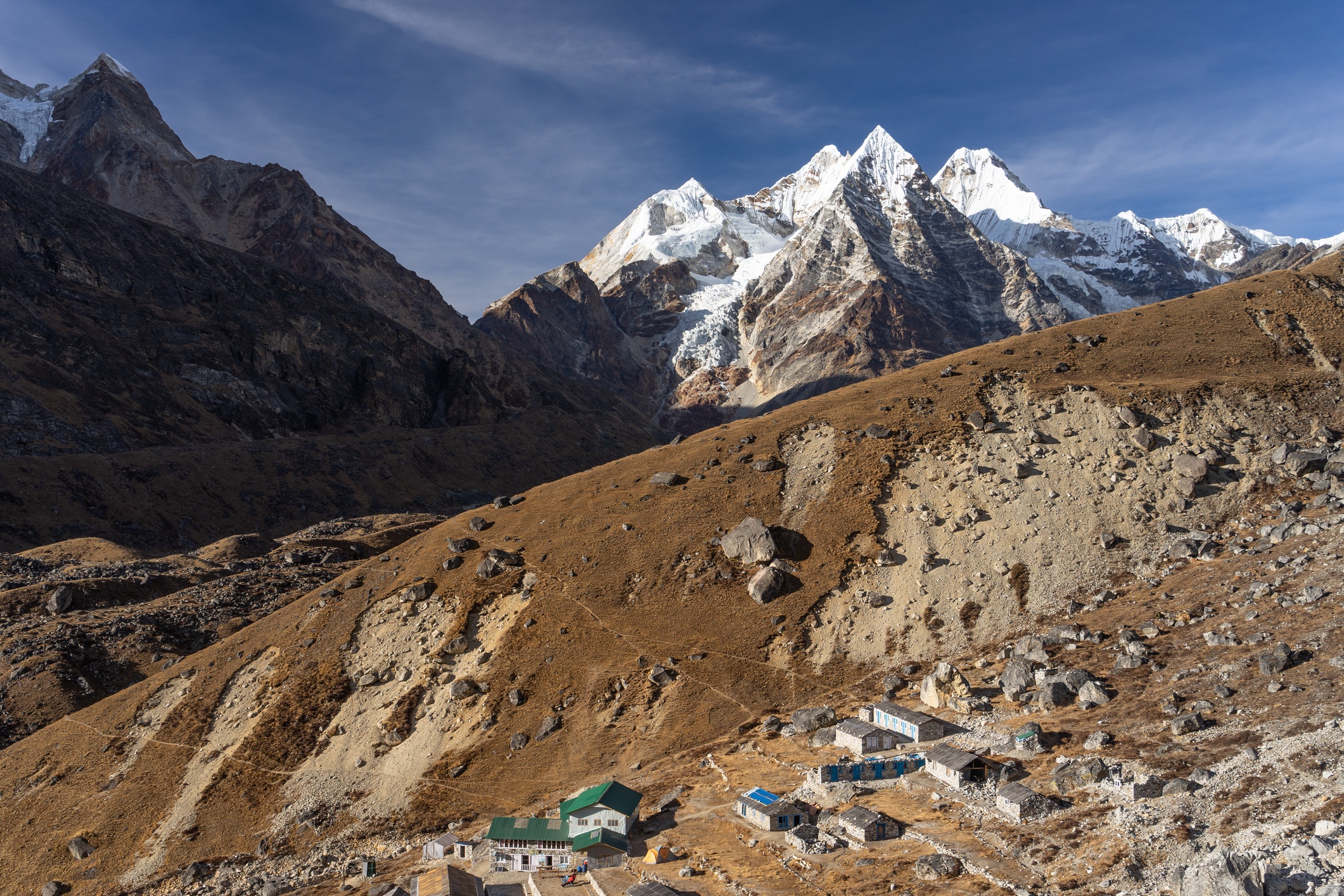
You start retracing your steps today, heading through open alpine meadows (look for blue poppies and edelweiss in season) and then back down into the forests to reach Kothe for the night.
You cover the remainder of the Hinku valley today to finally reach Chhatra La for the night.
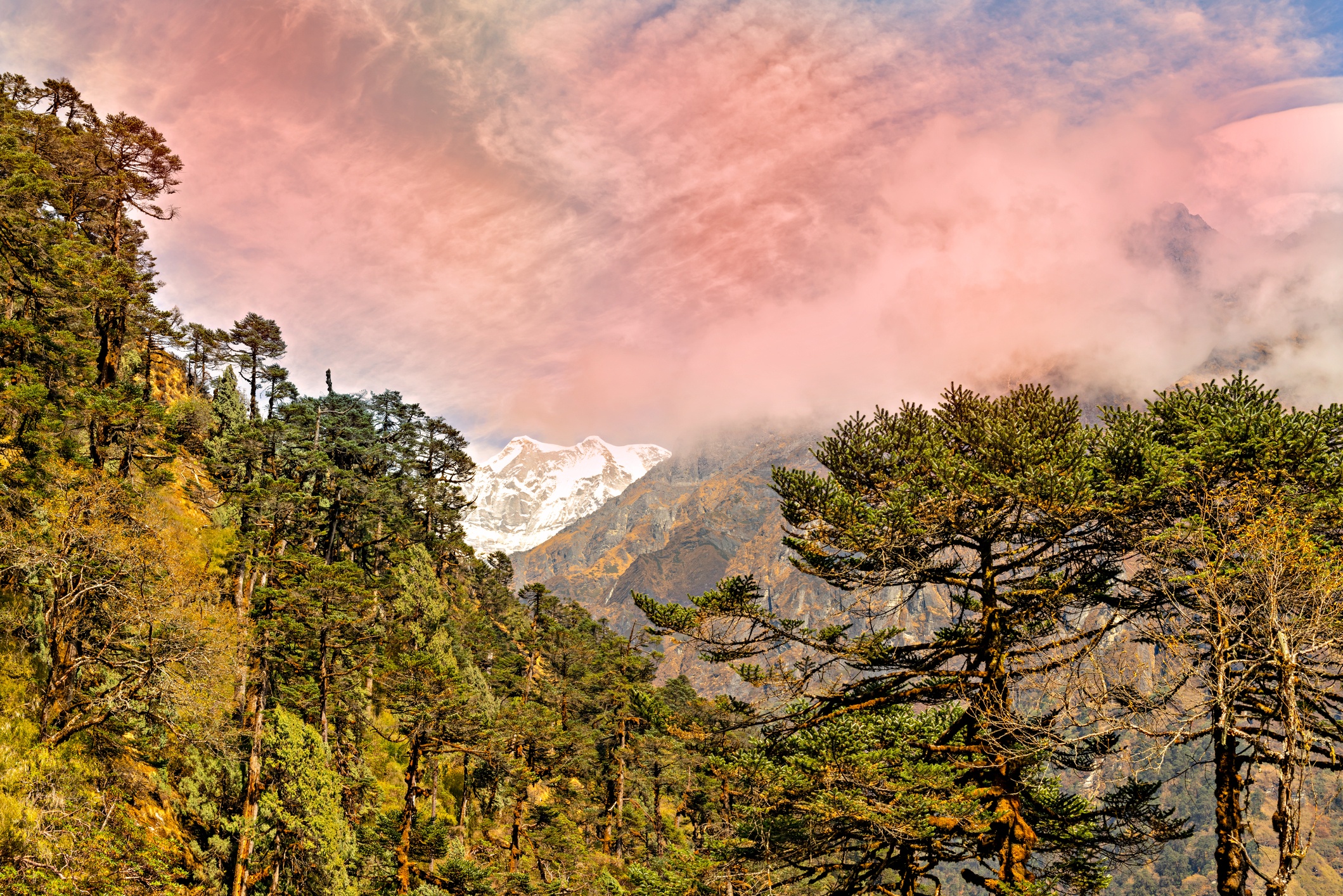
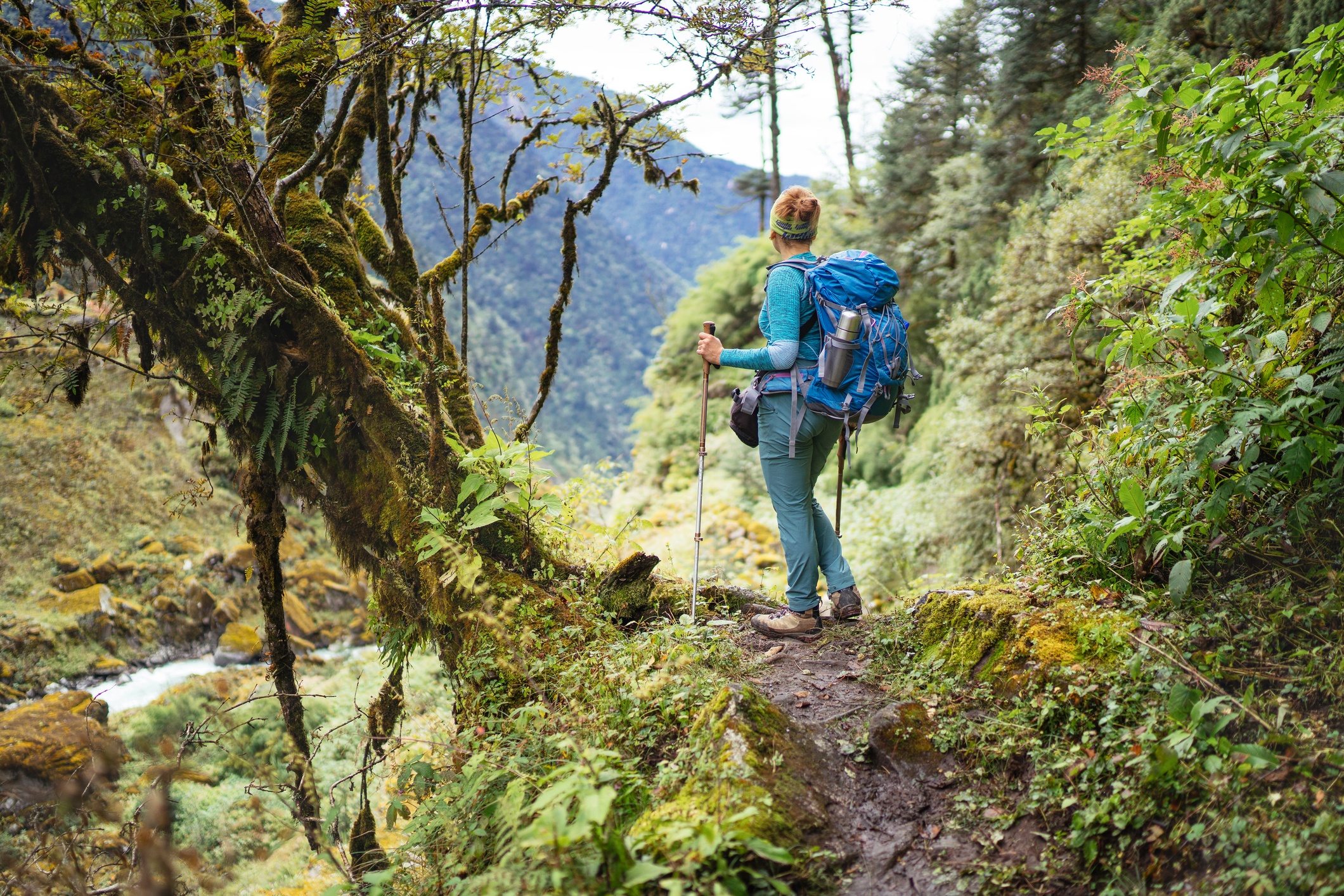
It’s a long day of trekking today, but also the final one, as you head up the Dudh Kosi river valley to reach the airport town of Lukla for the night.
Provided the weather is playing ball, you embark this morning on a short flight to Kathmandu. You then have plenty of time to explore the city or indulge in a spa treatment or two. In the evening you might like to head to a restaurant for a final dinner all together.


Your guide drives you to the airport for your onward journey, saying goodbye and leaving with you unforgettable memories of the Himalayas and your time atop Mera Peak.
Domestic flights
Airport transfers
Hotel accommodation before and after trek
A mix of lodge (teahouse) and tent accommodation during trek
Some meals before and after trek, all meals on trek
Drinking water for the entire trip
Experienced, English-speaking climb guide
Porter
Climbing equipment (climbing shoes, crampons, helmet, harness and jumar)
Group medical supplies
All taxes and permits
Nepali visa
International airfares
Any luggage in excess of 15 kg on domestic flights
Traveller's insurance
Wi-Fi on trek
Snacks, cool drinks and alcohol

We’re one of the only travel companies worldwide with perfect 5* reviews
Our dedicated travel consultants make adventuring easy for you by taking away all of the admin. Your only jobs are to train for the adventure if necessary and then pack your bags!
Our local guides look after you in every way. Our goal is to give every traveller the feeling you get when a friend is showing you their country.

On average, over 70% of your trip price stays in the local economy. It's important to us that the visited communities benefit the most since they're the ones hosting travellers.




Follow Alice Tours (T) LTD is registered in Tanzania and holds all the necessary licences to run Kilimanjaro climbs and safaris.