


Adventuring made easy
Our dedicated travel consultants make adventuring easy for you by taking away all of the admin. Your only jobs are to train for the adventure if necessary and then pack your bags!



You’ll arrive in Kathmandu and be welcomed with a warm transfer to Gokarna Forest Resort. Take some time to unwind, enjoy the peaceful forest surroundings, and prepare for the adventure ahead.


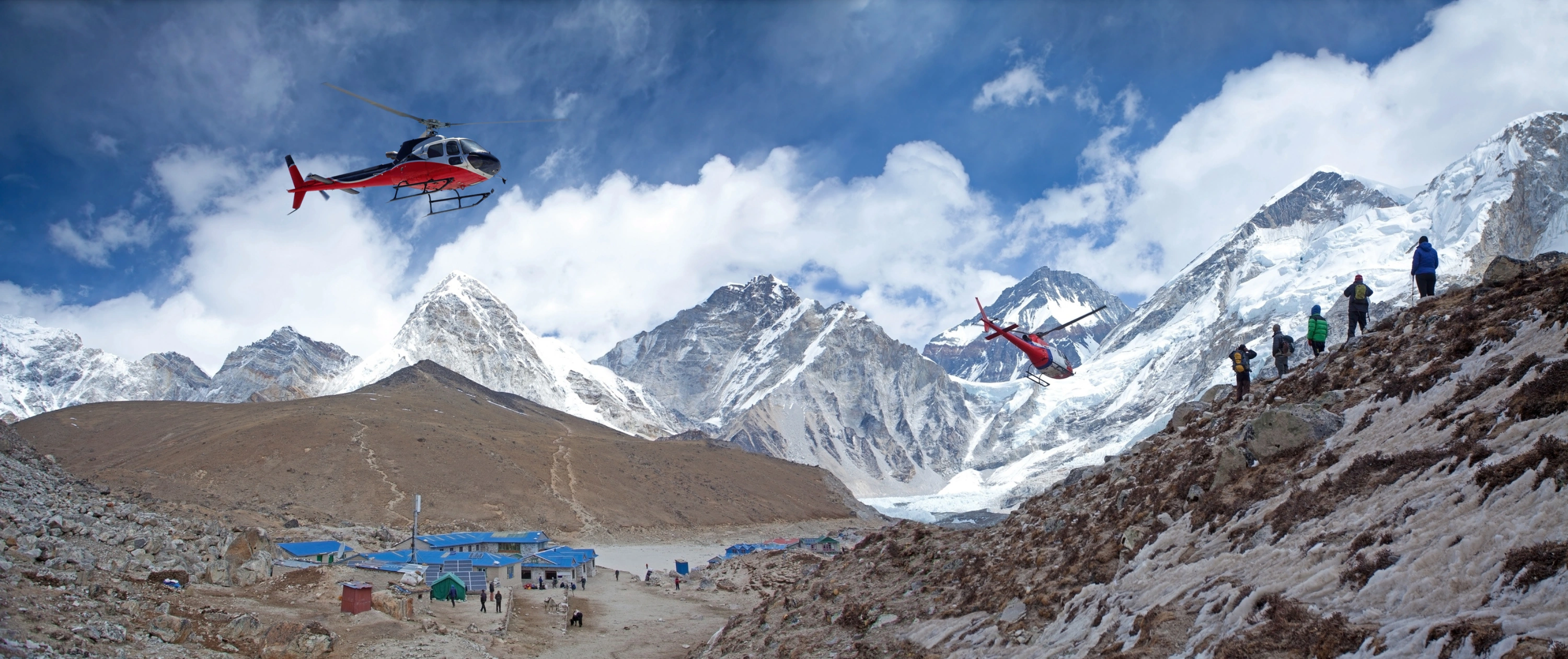
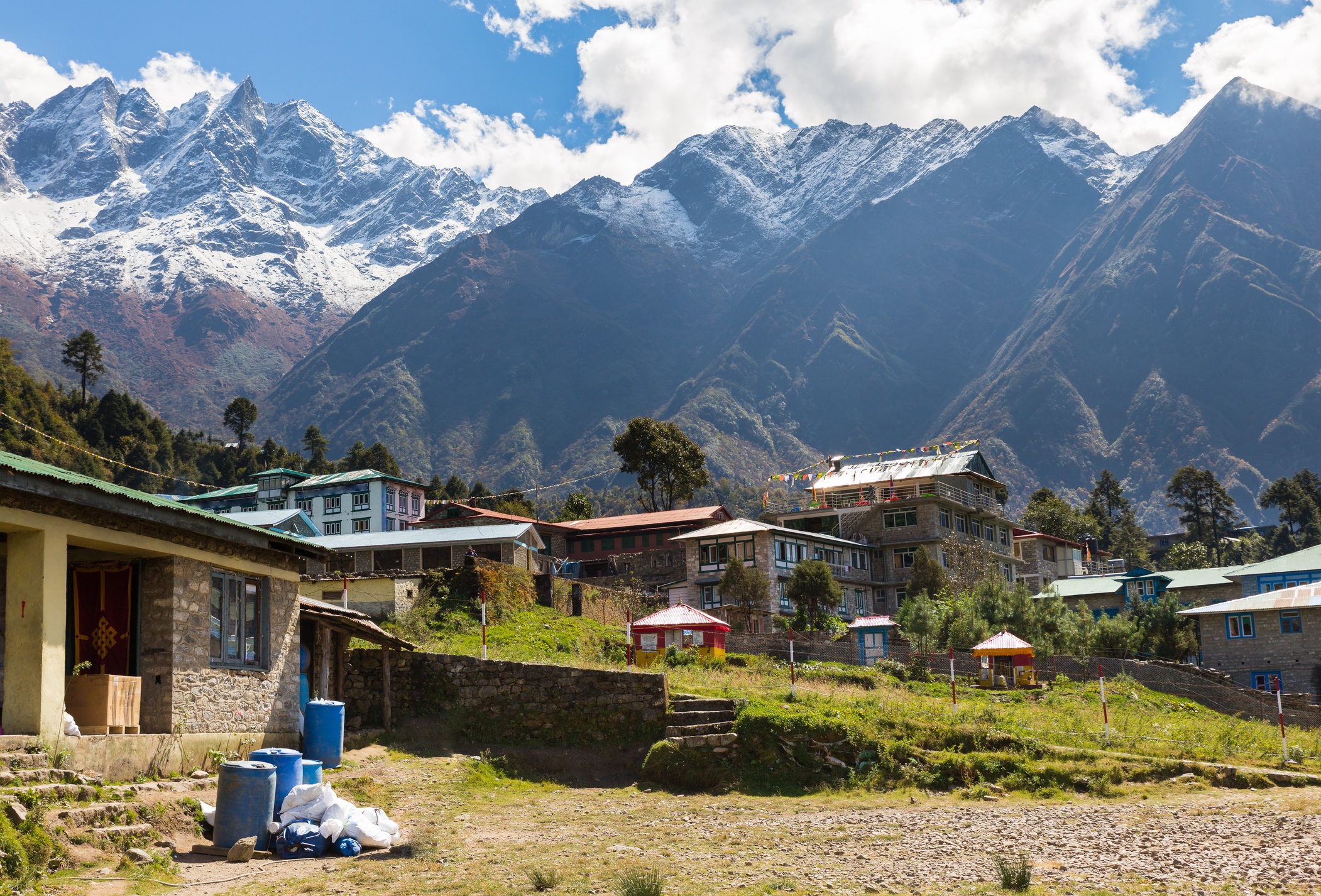
Start your journey with a scenic helicopter ride to Lukla, skipping the usual flight delays. From there, you’ll begin your trek along the Dudh Koshi River, arriving at the charming village of Phakding. Relax and settle in at Yeti Mountain Home.
You will cross several suspension bridges and climb through pine forests to Namche Bazaar, the main trading hub of the Khumbu region. Along the way, you will enjoy views of Thamserku and, weather permitting, Everest, overnight at Yeti Mountain Home.

Take a short hike to Syangboche and the Everest View Hotel to help your body adjust to the altitude. Enjoy sweeping Himalayan panoramas and visit local Sherpa villages before returning to Namche for another night at Yeti Mountain Home.
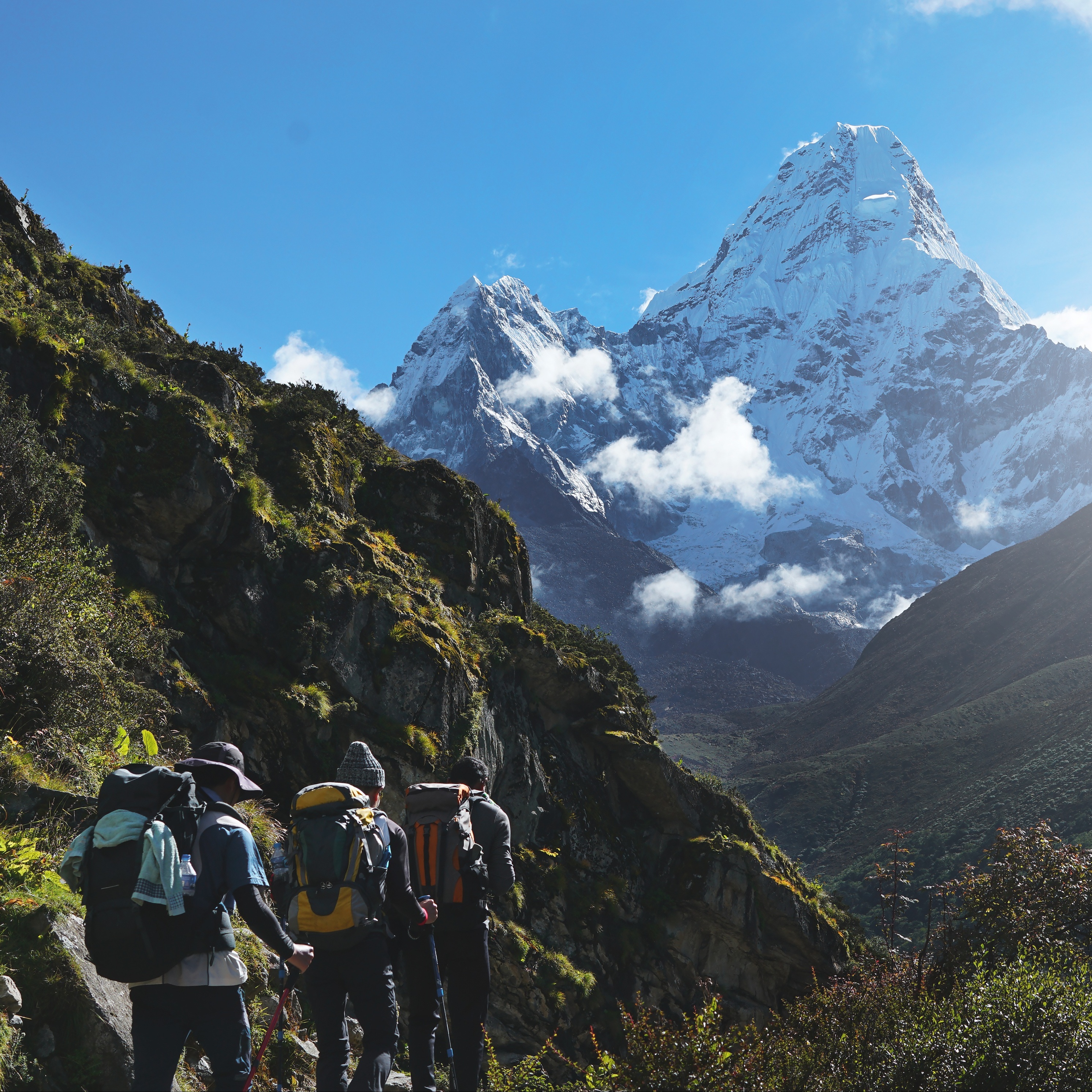
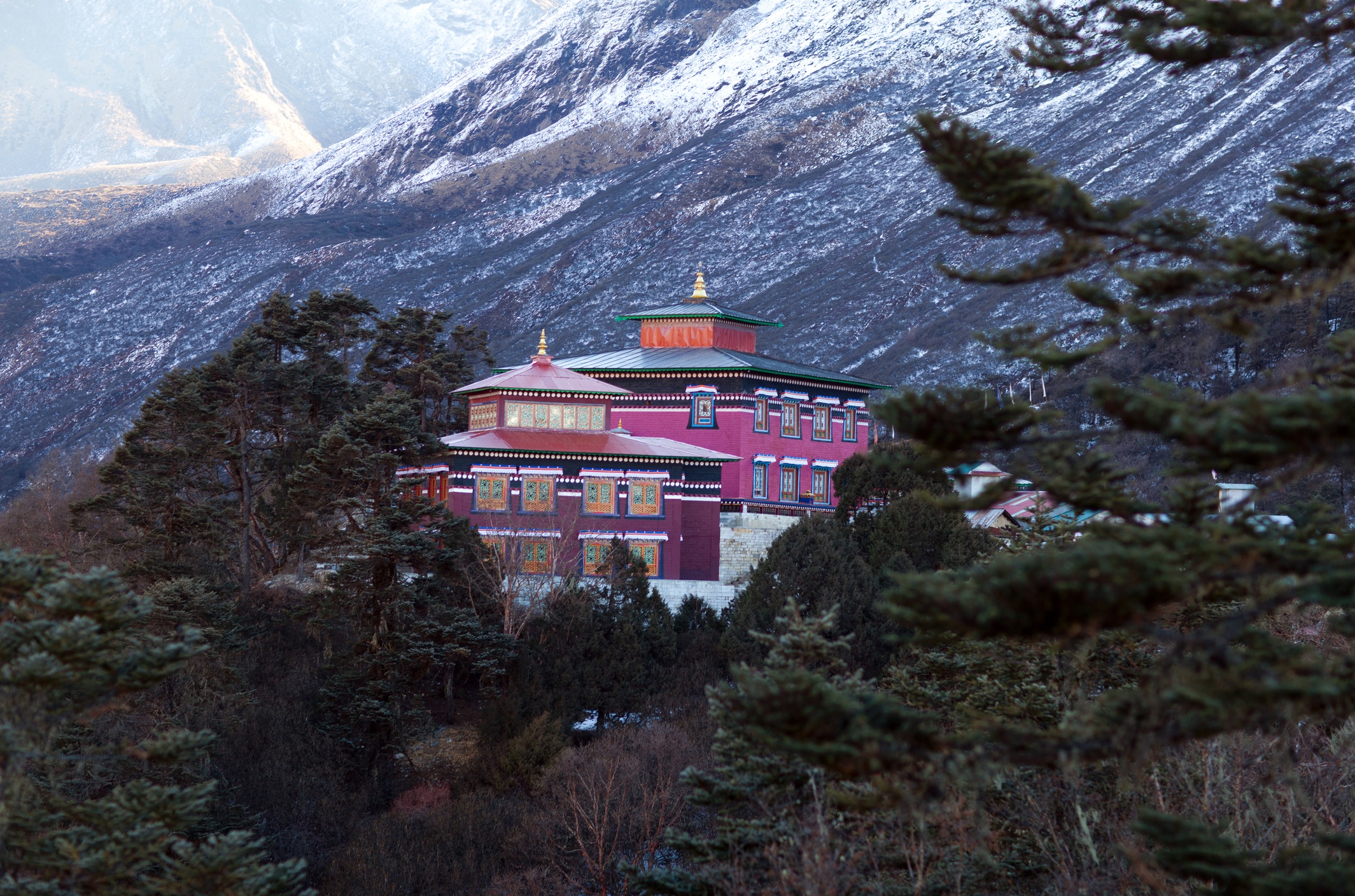
Hike through rhododendron forests and open valleys with Ama Dablam towering above. Visit the spiritual heart of the region, Tengboche Monastery, then settle into Rivendell Lodge or Yeti Mountain Home for a restful night.

Continue deeper into the Khumbu Valley, surrounded by a beautiful, dramatic alpine scenery. Dingboche offers stunning views and a peaceful village setting, making it the perfect spot to rest and soak in the surrounding mountains. Stay at Tash Delek Lodge with a private bathroom.
Follow the rocky trail past memorials at Thukla Pass, honouring climbers who lost their lives on Everest. Take in the glaciers and dramatic peaks, then rest at New EBC Lodge with an attached bathroom.


Reach Gorakshep, the last settlement before Everest Base Camp. You can choose an optional hike to base camp or climb Kala Patthar for unforgettable views of Everest and surrounding peaks. Overnight at Hotel Everest with a private bathroom.
After breakfast, enjoy a private helicopter ride back to Lukla, taking in aerial views of the Khumbu glaciers and peaks. Spend your final mountain night at Yeti Mountain Home, reflecting on the journey.

Your adventure ends with a helicopter ride back to Kathmandu. Return to Gokarna Forest Resort to relax, perhaps enjoy a spa, and reminisce about your trek through the world’s most iconic mountains.
All airport transfers in Kathmandu
Private helicopter flights: Kathmandu to Lukla, Gorakshep to Lukla, and Lukla back to Kathmandu
Accommodation in the best available lodges, including Yeti Home and Rivendell
All meals during the trek (breakfast, lunch, and dinner)
Certified English-speaking guide and experienced porter
All trekking permits: Sagarmatha National Park and Khumbu region fees
Down jacket and sleeping bag rental if required
Applicable government taxes and service charges
International airfare
Nepal visa fee
Selected meals in Kathmandu (lunch and dinner)

We’re one of the only travel companies worldwide with perfect 5* reviews
Our dedicated travel consultants make adventuring easy for you by taking away all of the admin. Your only jobs are to train for the adventure if necessary and then pack your bags!
Our local guides look after you in every way. Our goal is to give every traveller the feeling you get when a friend is showing you their country.

On average, over 70% of your trip price stays in the local economy. It's important to us that the visited communities benefit the most since they're the ones hosting travellers.

Yes, travel insurance is essential for trekking to Everest Base Camp. It should cover high-altitude trekking, emergency evacuation (like helicopter rescue), medical expenses, and trip cancellation. Having insurance protects you against unexpected situations and ensures peace of mind on the trail.
We discuss the type of traveller's insurance you should take out in more detail in the Everest Base Camp trek cost.

The classic Everest Base Camp trek covers approximately 130 km (81 miles) round trip. That’s about 65 km (40 miles) each way from Lukla to Base Camp and back. The distance is spread out over 12 to 14 days, giving your body time to acclimatise to the high altitude and allowing you to fully enjoy the stunning scenery along the way, from Sherpa villages to the beautiful Himalayan peaks.
The Everest Base Camp trek isn’t considered technically difficult, but it does come with real risks, mostly due to the high altitude. The biggest concern is altitude sickness, which can affect anyone regardless of fitness level. That’s why it’s important to acclimatise properly, follow a slow and steady pace, and stay well-hydrated.
Weather can also be unpredictable, and the terrain is rugged in places, so having a qualified guide, the right gear, and travel insurance is essential for staying safe. With the right preparation, most trekkers complete the journey safely and have an unforgettable experience.
Learn more about this important topic in How hard is Everest Base Camp?
To trek to Everest Base Camp, you’ll need sturdy and reliable gear to handle the cold, high-altitude conditions. Be sure to pack well-worn hiking boots, a warm down jacket, thermal base layers, and a four-season sleeping bag. Trekking poles are also essential for stability on uneven terrain, and you’ll want a comfortable daypack for your daily essentials. Your main belongings go in a duffel bag, which is carried by your porter or yak.
Read more: Everest Base Camp packing list
The Everest Base Camp trek isn’t inherently dangerous, but it does come with risks, mainly due to the high altitude. Altitude sickness is the biggest concern, which is why a well-paced itinerary with proper acclimatisation is so important. Weather can also be unpredictable, and the terrain can be tough in parts.
The Everest Base Camp trek is definitely a challenge, but it’s one that thousands of adventurers take on every year. You don’t need to be a super athlete, but a good level of fitness will help, especially with the long hiking days and high altitude. The real test is the thin air, not the trail itself.
With the right prep and mindset, it’s absolutely doable and incredibly rewarding.
You'll need gear suitable for high-altitude trekking and varying weather. Essentials include waterproof hiking boots, thermal layers, an insulated down jacket, trekking trousers, gloves, a sleeping bag (rated to -10°C), sunglasses, a daypack, and personal items like sunscreen and medication.
For a full list of what to pack, please read the Everest Base Camp packing list.
The best times of year to trek to Everest Base Camp are March to May and mid-September to November, when the weather is most stable and the views are clear. If you want to see Everest Base Camp in full swing, with climbers preparing for summit attempts, April and May are ideal.
Want help picking the right season for your trek? Read more here.
The Everest Base Camp trek starts in Lukla, a mountain town reached by a short flight from Kathmandu, Nepal’s capital. Due to airport renovations, flights now often depart from Manthali Airport, about a five-hour drive from Kathmandu, adding an extra day to your journey. From Lukla, the trek continues through scenic villages up to Everest Base Camp.

Follow Alice Tours (T) LTD is registered in Tanzania and holds all the necessary licences to run Kilimanjaro climbs and safaris.