







Standing at the crossroads between two of Nepal’s most captivating treks can feel overwhelming. The Nar Phu Valley trek and the Annapurna Circuit trek both promise unforgettable Himalayan experiences, yet they differ in how elevation gain shapes the journey.
Both treks demand respect for altitude and smart strategies. The Annapurna Circuit’s longer duration and abundance of villages offer better infrastructure for gradual acclimatisation, rest days, and emergency aid. Meanwhile, Nar Phu’s isolation, steep ascents, and limited facilities mean you must ascend conservatively, prioritise hydration and rest, and go with a seasoned guide like Follow Alice or an organised group. If you are still unsure, schedule a call with our team, and we will be happy to answer any questions you might have.
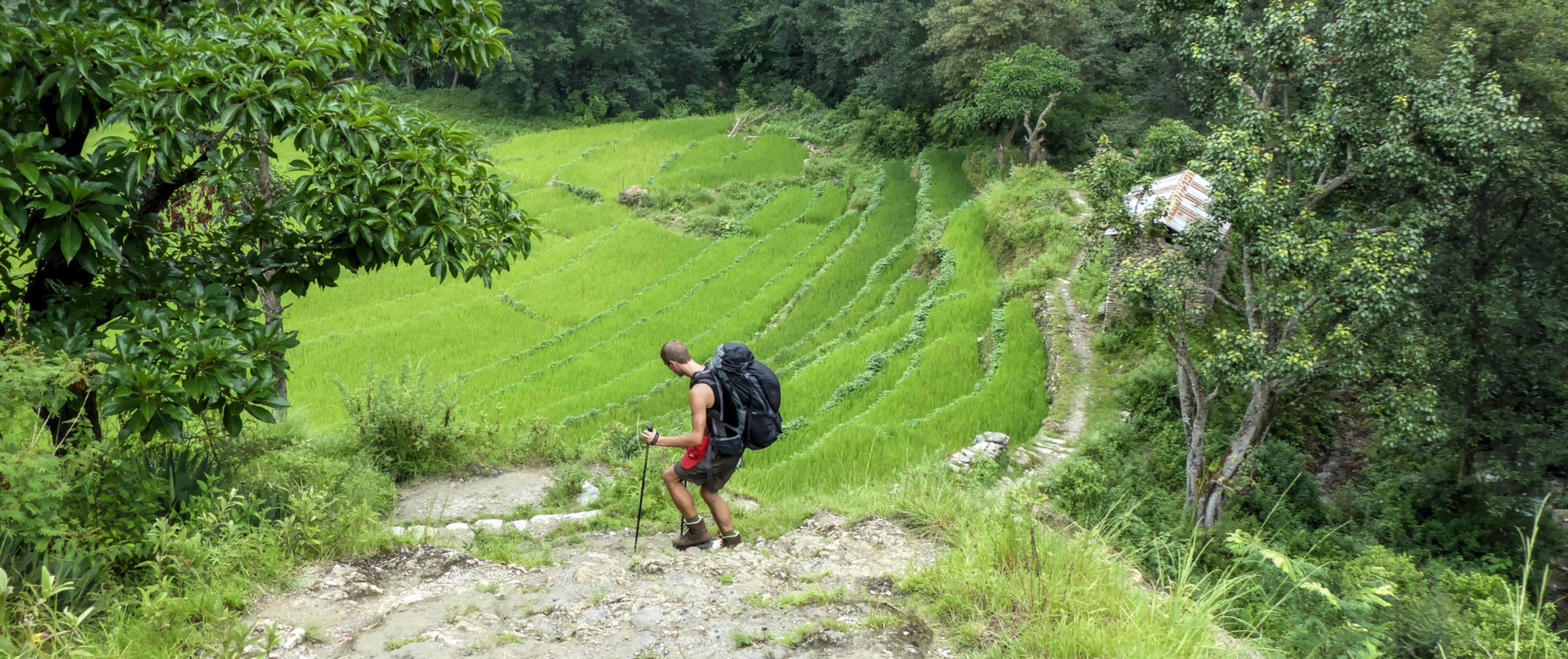
Trekker walking down lush terraces on the Annapurna Circuit.
Learn more: Annapurna Circuit route – a detailed day-by-day itinerary
What's the elevation gain on the Nar–Phu?
From the very beginning, the Nar Phu Valley trek hits high and stays high. The route leaves the Marsyangdi Valley near Koto (2,610 m) and quickly commits trekkers to elevations above 2,500 m for almost the entire journey. Unlike the Annapurna Circuit, which dips and rises through varied terrain, Nar Phu rarely allows the body to recover at lower altitudes.
The approach to Phu village (4,080 m) is one of the trek’s toughest stretches because it's long, exposed, and steadily climbing with little respite. Trekkers often feel the thinning air here first in subtle ways, like breathlessness on inclines, then more acutely as they push toward the stone gateway of Phu. Spending nights above 3,500 m is standard on this trek, and by that point, fatigue builds quickly.
The defining challenge comes at Kang La Pass (5,320 m). This high saddle between Nar and Manang is not only physically demanding but also psychologically taxing. At this altitude, oxygen levels drop to about 50–55 per cent of sea level. Even short rests leave the heart racing, and the steep final approach can take hours.
Guided groups are strongly encouraged by the Nepal Tourism Board to build in at least one acclimatisation stop in Nar or Phu before attempting the pass, given the reduced number of “low-sleep” opportunities compared with other treks.
This is what makes the Nar Phu Valley trek distinctive. It offers raw remoteness and authentic Tibetan-influenced culture as monasteries dating back centuries, yak pastures, and stone-built hamlets that feel suspended in time, but it demands stamina and careful pacing. Unlike the Annapurna Circuit, where infrastructure and rest days are abundant, Nar Phu tests resilience against sustained elevation gain with fewer safety nets.
If you want to trek Nar Phu, be sure to go slow, hydrate well, and travel with an experienced guide like Follow Alice, who knows how to spot the early signs of altitude sickness. Done right, the Nar Phu trek rewards you with one of the most unfiltered Himalayan experiences left in Nepal.

Traditional architecture in the ancient Tibetan Nar village in the Annapurna Conservation Area.
Learn more:What is altitude sickness? And can I prevent it?
Elevation gain on the Annapurna Circuit trek
The Annapurna Circuit trek is longer and more gradual in its approach to high altitude. Starting at around 760–800 m in the subtropical foothills near Besisahar, the trail gains elevation steadily over two to three weeks. Trekkers pass through rice terraces, pine forests, and alpine meadows before reaching the Manang Valley (3,500 m), an important stop, not just for scenery but for acclimatisation.
Unlike the Nar Phu Valley trek, where altitude is compressed into a shorter timeframe, the Annapurna Circuit is designed with acclimatisation in mind. The Nepal Tourism Board’s 2025 trekking guidelines recommend mandatory acclimatisation days in Manang or Braga, where trekkers can hike to viewpoints above 4,000 m during the day and return to sleep lower at night. This “climb high, sleep low” approach significantly reduces the risk of acute mountain sickness.
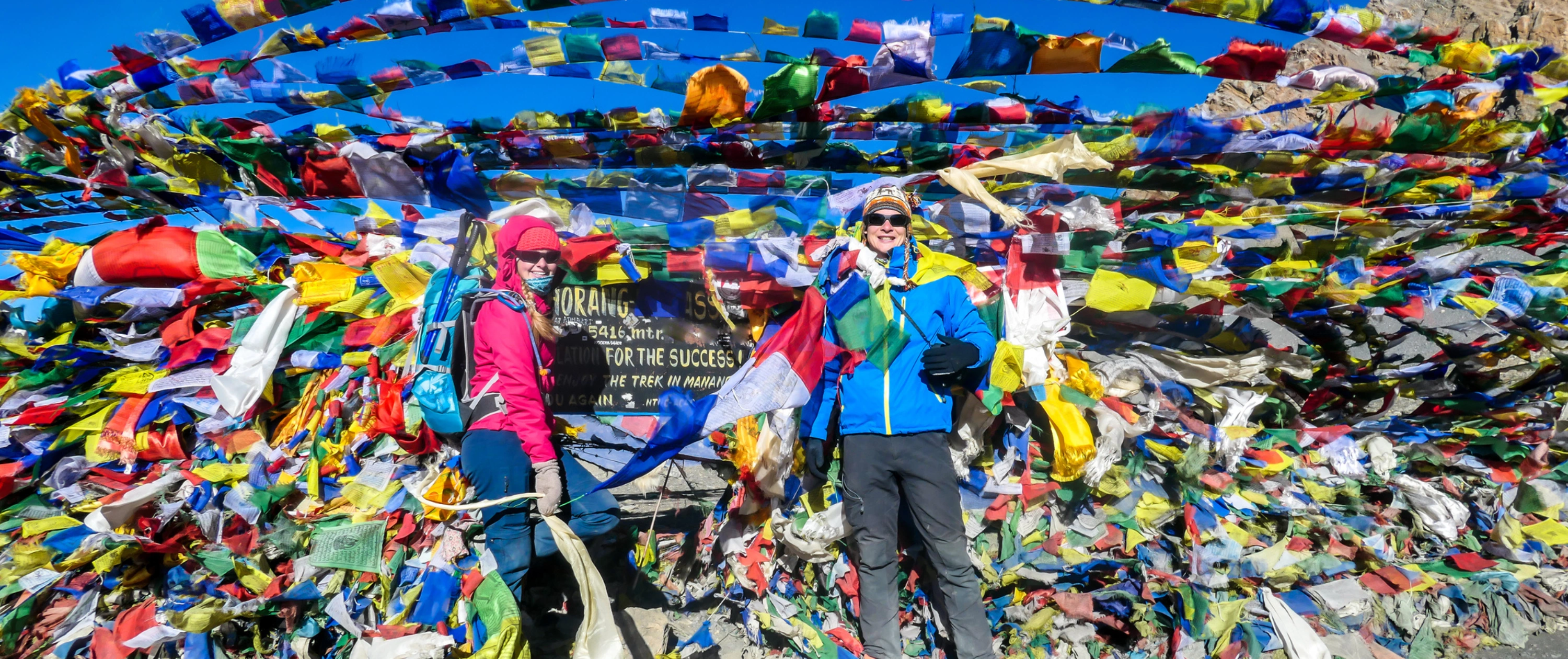
From Manang, the trail climbs toward Yak Kharka (4,050 m) and Thorong Phedi (4,450 m), preparing trekkers for the circuit’s ultimate challenge: Thorong La Pass (5,416 m). At this altitude, oxygen levels drop to roughly 50 per cent of sea level, and even well-acclimatised trekkers often take 6–8 hours to cross the pass.
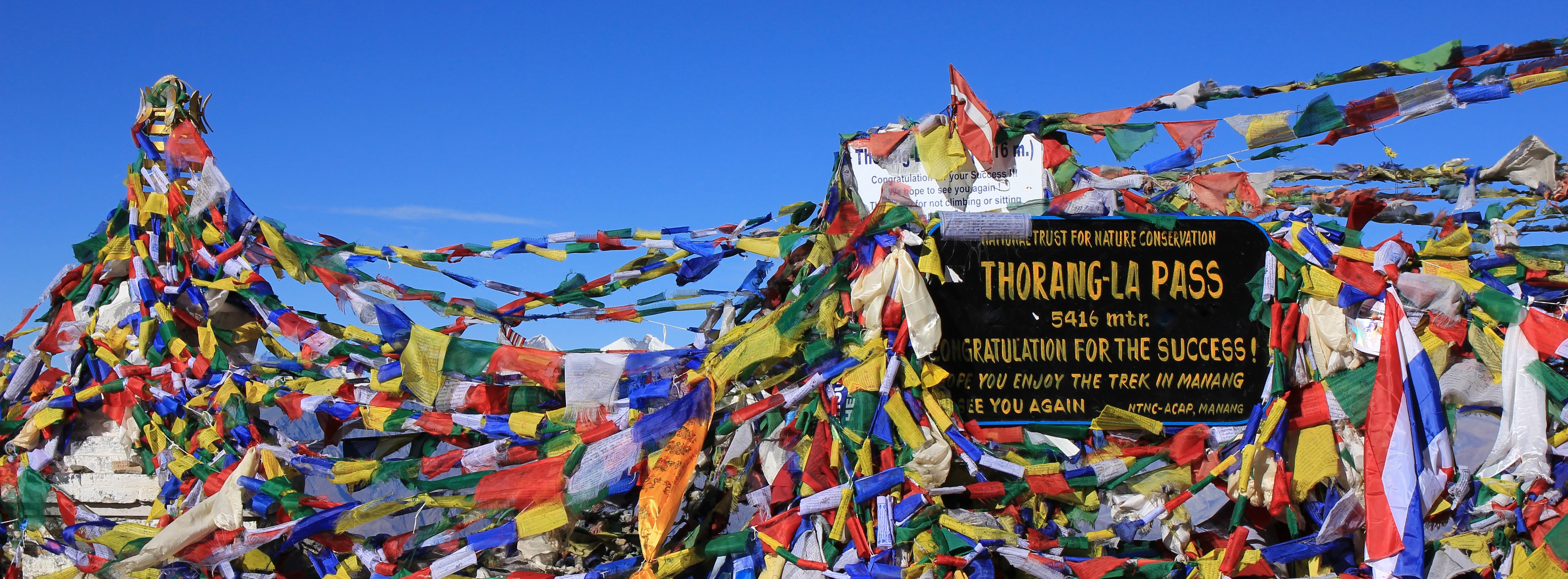
Thorong La Pass on the Annapurna Circuit, Nepal.
In 2025, Thorong La remains one of the most trekked high passes in the world, but local authorities continue to stress the importance of starting the crossing before dawn, as afternoon winds and weather shifts remain unpredictable.
Elevation gain on the Annapurna Circuit varies with detours, and trekkers can avoid road sections, but most itineraries involve 2,500–4,000 m of cumulative gain. The climb is still substantial, yet more forgiving than Nar Phu’s steeper profile. The extra length of the circuit allows the body more time to adapt, giving it one of the highest trekker success rates of Nepal’s major high-altitude routes to date.
The balance of gradual ascent, built-in acclimatisation days, and excellent infrastructure, combined with the diversity of landscapes and culture, is why the Annapurna Circuit continues to be regarded by National Geographic and other leading outlets as one of the world’s top long-distance treks.
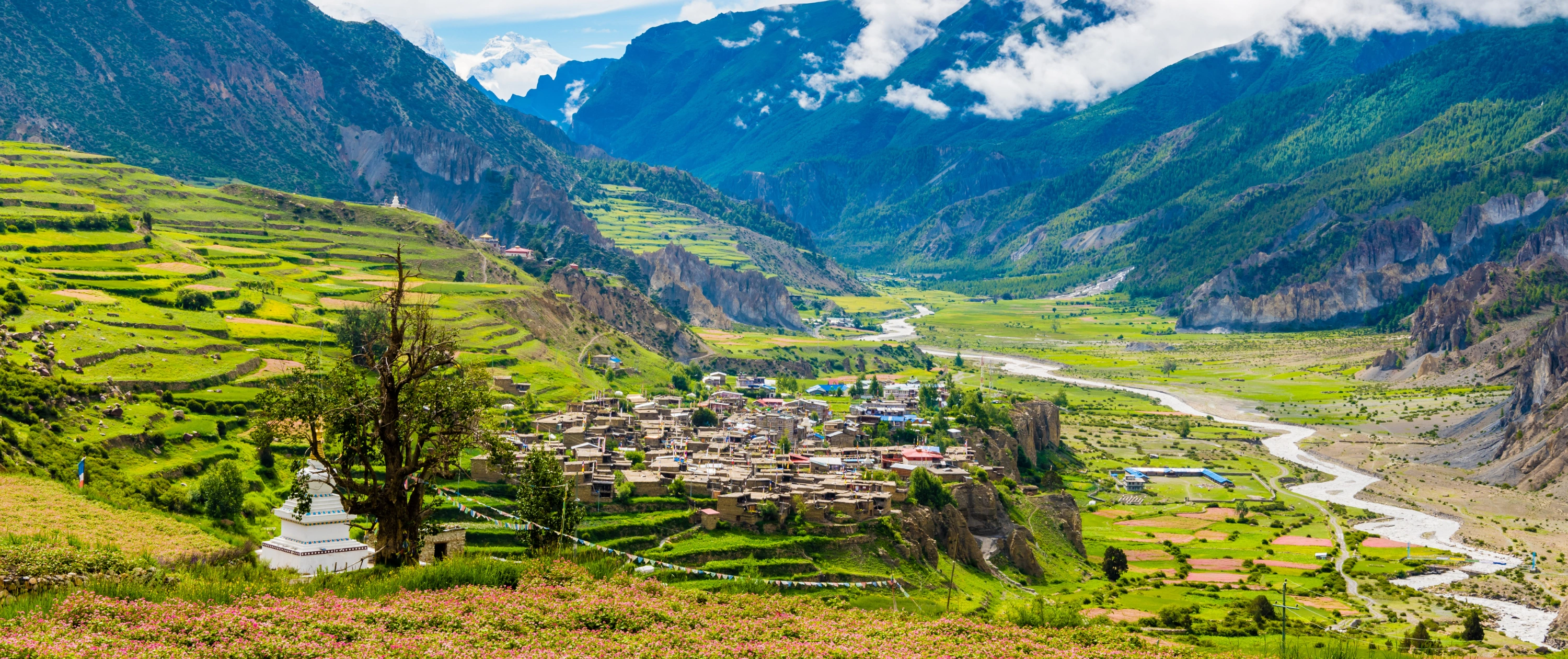
Manang village, a stunning high-altitude stop along the Annapurna Circuit, Nepal.
Comparing the Nar Phu Valley Trek and the Annapurna Circuit Trek
Both treks push you high into the Himalayas, but the Annapurna Circuit trek with Nar Phu extension adds extra challenge for those wanting the best of both worlds: remote Tibetan villages and classic Annapurna scenery. Where the Circuit allows for a smoother acclimatisation process, Nar Phu demands greater physical and mental grit.
On the Annapurna Circuit, elevation rises gradually over 15–20 days, giving trekkers time to acclimatise and absorb the different landscapes from subtropical forests to high valleys to Thorong La (5,416 m). In contrast, the Nar Phu trek delivers altitude faster and steeper, planning a jump from around 2,160 m in Bagarchhap to above 5,300 m within a short timeframe.
For Nar Phu, your daily elevation changes are dramatic: from Phu (4,070 m) to Kang La (5,240 m) in a single day, followed by a long descent to Ngawal (3,615 m). This packed vertical profile means Nar Phu tests your stamina and your altitude adaptability quickly. Annapurna, by contrast, buffers that gain, allowing your body more time to adjust, particularly if you tackle the high pass anti-clockwise
Both treks climb above 5,000 m, but the way you reach those heights through Nar Phu’s compressed, demanding profile or the Annapurna Circuit’s steady, staged ascent shapes the entire trekking experience.
Here is a table to highlight the differences:

Young woman trekking in the Himalaya mountain range in Nepal.
Learn more: How to Choose the Right Peak for Your First Climb in Nepal
Acclimatisation and trekking experience
Altitude is where the Nar Phu Valley trek and the Annapurna Circuit truly diverge. On the Annapurna Circuit, acclimatisation feels almost built into the journey. The gradual rise from subtropical valleys to alpine meadows gives the body time to adjust, with natural rest stops in places like Manang (3,500 m), where side hikes and rest days are the norm. This staged approach significantly lowers the risk of altitude sickness.
By contrast, the Nar Phu trek is less forgiving. Once you leave Koto, the trail climbs steeply and stays high, with limited chances to descend to lower sleeping altitudes. Trekkers often need to plan extra acclimatisation nights in Nar or Phu to safely tackle Kang La Pass (5,320 m). Without them, the compressed elevation profile can feel relentless.
Both treks top out above 5,000 m, yet the Nar Phu Valley trek feels tougher because of its sustained altitude and fewer infrastructure options. For those drawn to solitude, wild landscapes, and cultural immersion, it’s a raw and rewarding challenge. For trekkers who prefer a steadier climb with well-established guesthouses, the Annapurna Circuit remains the classic choice.
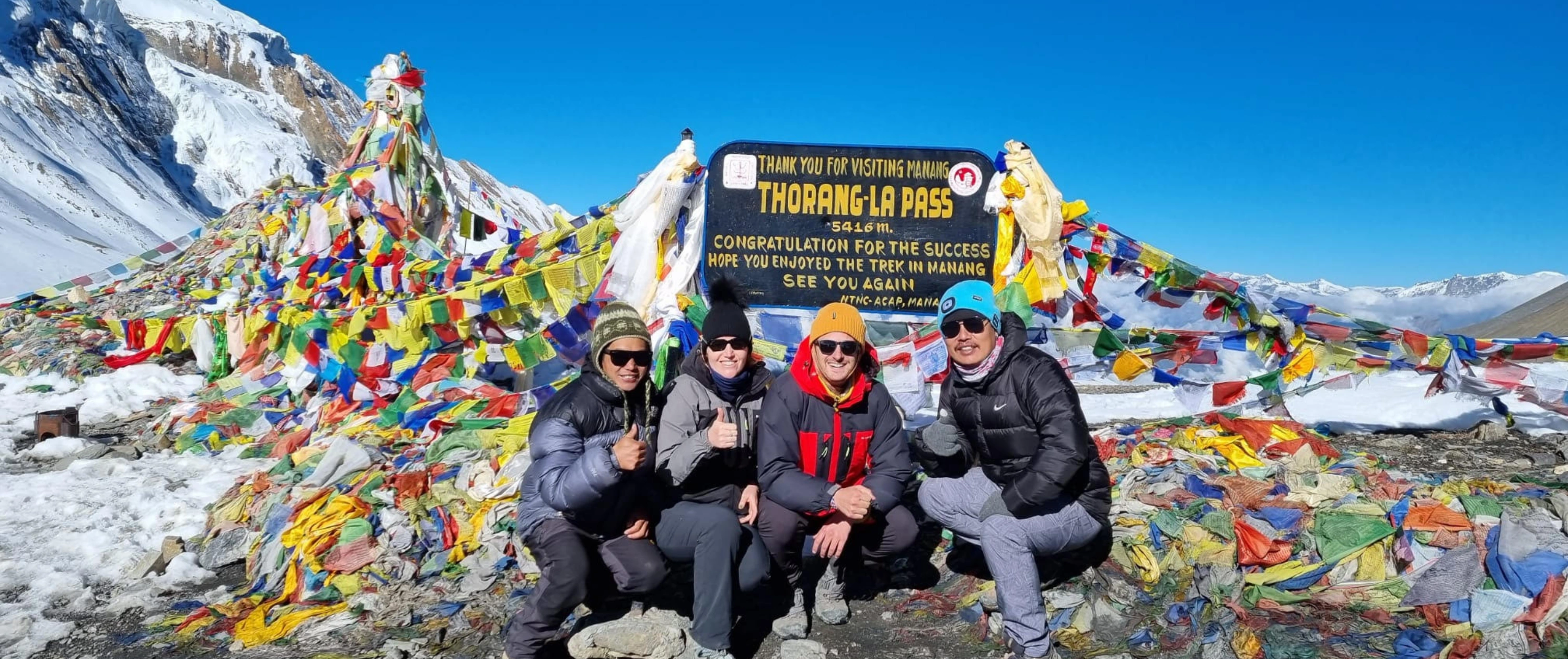
Trekkers celebrate at Thorong La Pass, surrounded by breathtaking Himalayan views.
Learn more: How much does it cost to trek the Annapurna Circuit?
Safety and risk considerations
Understanding the risks of high-altitude trekking is crucial, as it can affect your ability to complete your chosen route. When planning a trek, keep the following factors in mind:
- Altitude sickness: Symptoms include dizziness, nausea, and shortness of breath. The Nar–Phu Valley trek's rapid ascent increases the risk, while the Annapurna Circuit's gradual climb allows for better acclimatisation.
- Weather risks: Both treks are subject to unpredictable weather conditions. The Annapurna Circuit, being more popular, has better-established weather monitoring and emergency response systems.
- Emergency services: The Annapurna Circuit's infrastructure supports quicker access to emergency services. In contrast, the Nar–Phu Valley's remoteness can delay assistance.
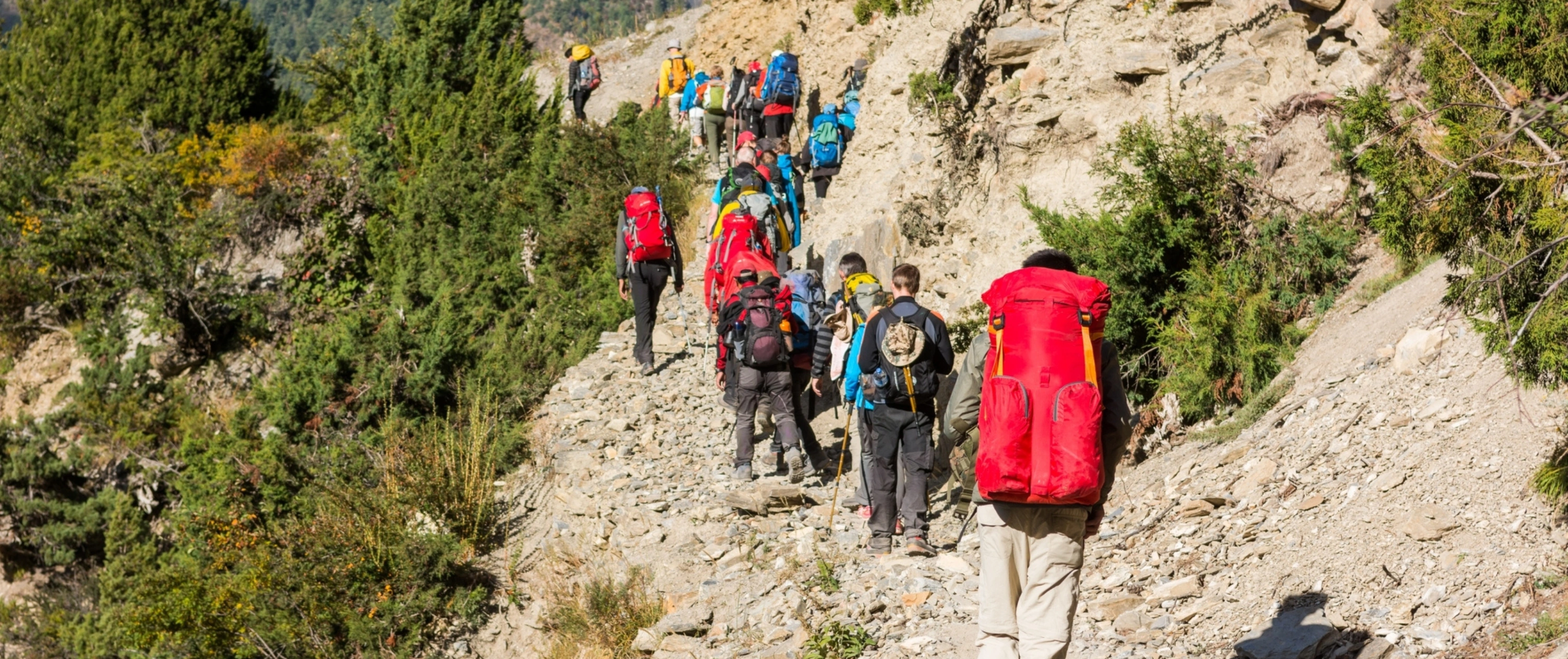
Trekker walking on a footpath in the Himalayas on the Annapurna Circuit.
Learn more: Your complete Annapurna Circuit packing list
Practical trekking tips
To ensure a safe and enjoyable trek, it’s essential to understand how high-altitude conditions interact with sustained elevation gain, particularly on challenging routes like the Nar Phu Valley trek and the Annapurna Circuit trek. Both treks reach elevations above 5,300 metres, but they approach altitude differently.
Regardless of the trek, recognising your own fitness level, monitoring symptoms, pacing yourself, and allowing for acclimatisation days are vital strategies. Carrying adequate gear, staying hydrated, and working with experienced guides like Follow Alice are equally important, especially in remote areas like Nar Phu, where medical assistance is limited. By respecting the demands of altitude and elevation gain, trekkers can navigate these Himalayan trails safely and fully enjoy the unique landscapes and cultural experiences each route offers
To ensure a safe and enjoyable trek, do the following:
- Preparation: Engage in cardiovascular and endurance training at least two months before the trek.
- Gear: Invest in high-quality trekking boots, layered clothing, and a reliable sleeping bag suitable for temperatures as low as -10°C.
- Hydration and nutrition: Maintain regular hydration and consume high-energy foods to combat fatigue.
- Pacing: Adopt a slow and steady pace, especially on ascent days, to facilitate acclimatisation.
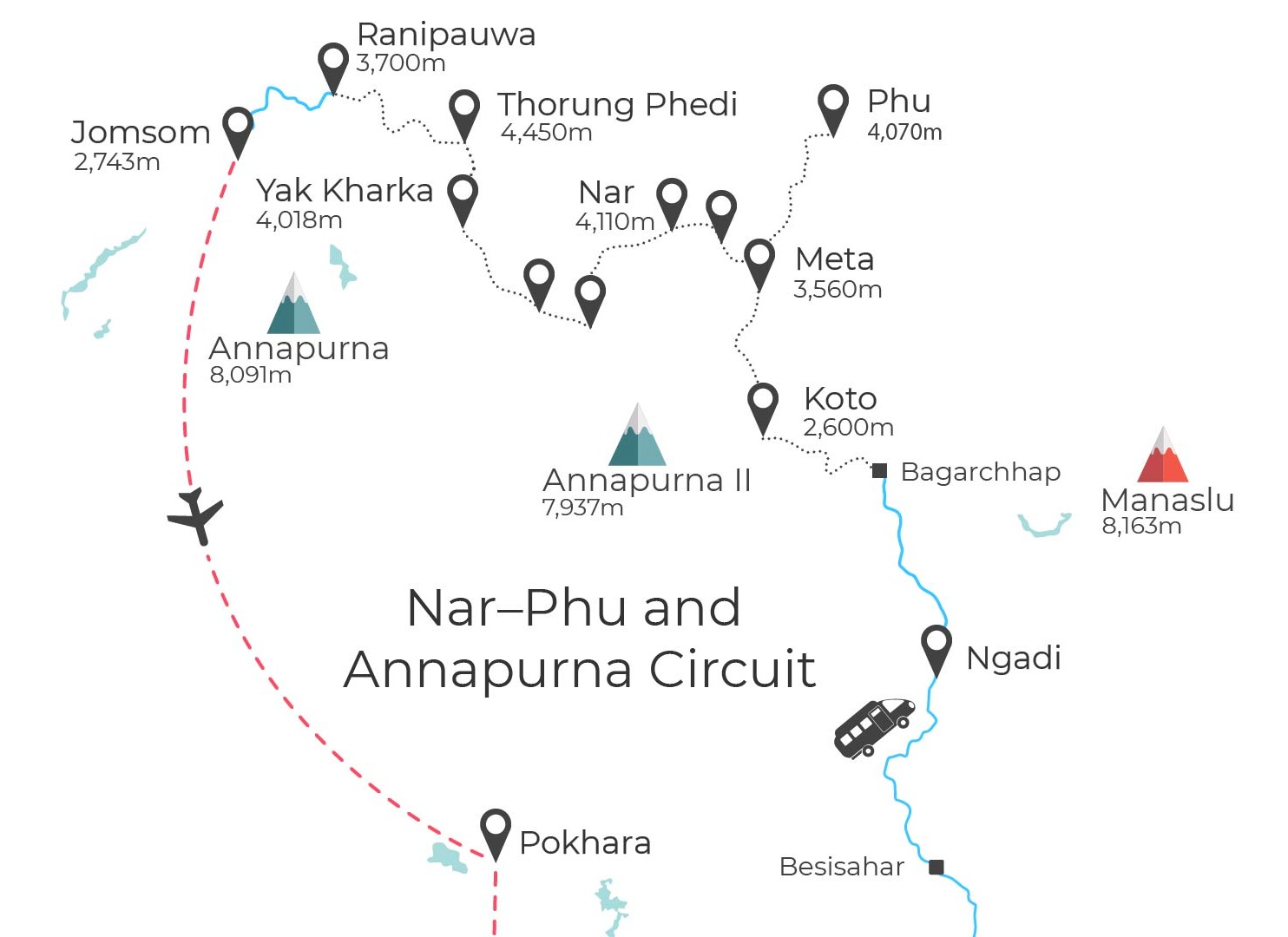
Zoomed-in map of Nar-Phu and Annapurna Circuit.
Learn more: Guided expeditions in Nepal: A gateway to high-altitude adventures
Choosing the right trek for you
Selecting between the Nar Phu Valley trek and the Annapurna Circuit depends on your trekking experience and goals:
- Nar Phu Trek: Ideal for seasoned trekkers seeking solitude, remote landscapes, and a challenging ascent.
- Annapurna Circuit: Suited for those desiring a balance of challenge and comfort, with opportunities for cultural immersion and established infrastructure.

A Himalayan village nestled in a steep, forested valley in Nepal.
{{leadmagnet-one}}
Elevation gain of the Nar Phu Valley Trek and the Annapurna Circuit
When it comes to elevation gain, the difference between these two iconic routes shapes the trekking experience. The Annapurna Circuit provides a gradual ascent, allowing trekkers to adjust comfortably to altitude while enjoying scenic valleys, alpine meadows, and well-established villages. The Nar Phu Valley trek, by contrast, pushes you quickly into high elevations, with sustained climbs that test stamina but reward trekkers with remote landscapes and authentic Tibetan-influenced culture.
For those seeking the ultimate Himalayan adventure, combining both routes in an Annapurna Circuit trek with Nar Phu extension creates a balanced journey: challenging elevation gain, immersive cultural experiences, and some of Nepal’s most striking mountain scenery.
Successfully navigating either trek requires preparation and careful pacing. At Follow Alice, our expert guides navigate each trek to your abilities, ensuring you experience the rewards of high-altitude trekking safely. It doesn't matter if you are ascending the rugged passes of Nar Phu or following the sweeping vistas of the Annapurna Circuit; your Himalayan adventure is both memorable and manageable. Our team is ready and waiting to guide you!