




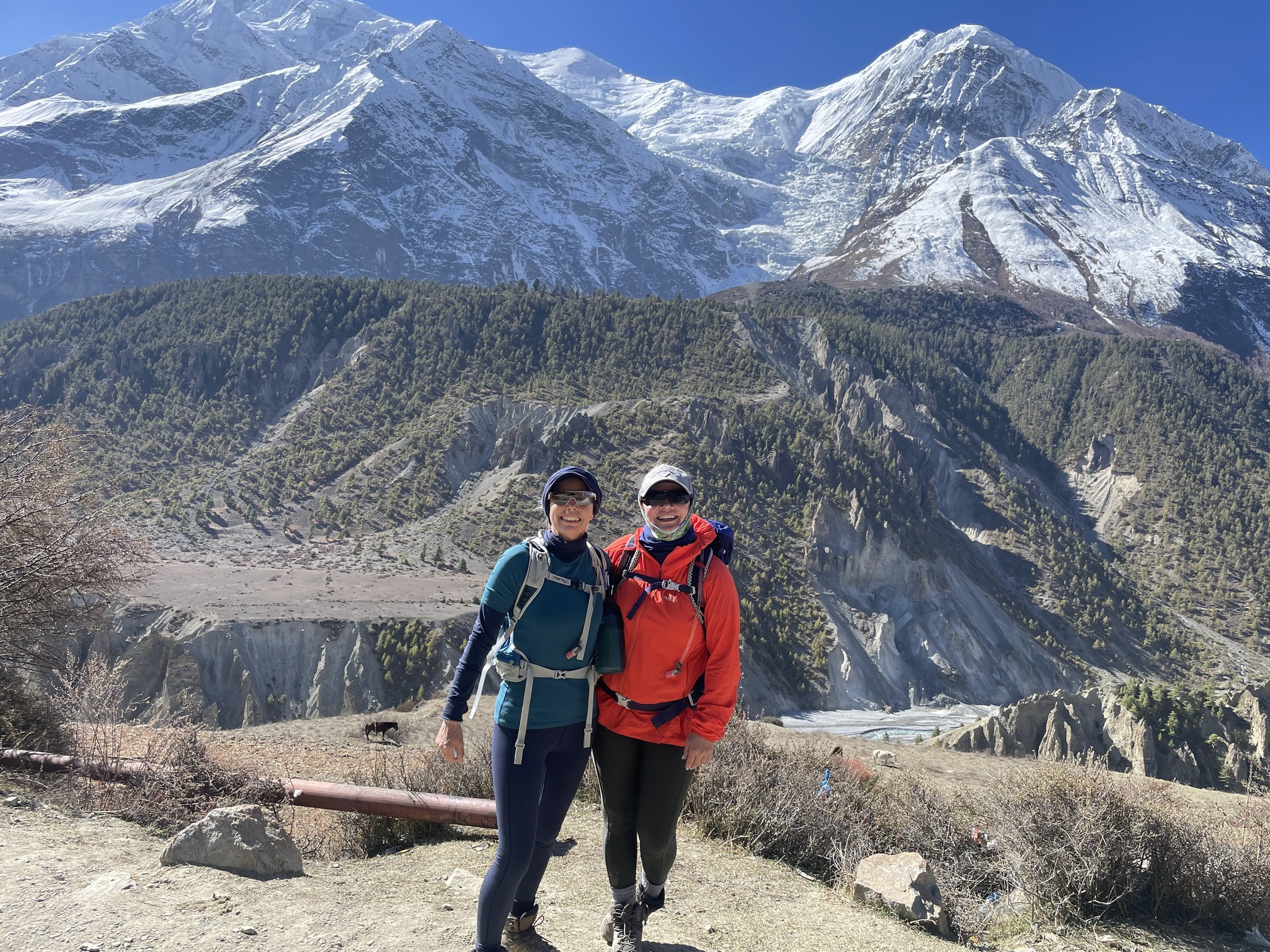



The Annapurna region of Nepal is widely regarded as one of the world’s most spectacular trekking destinations. Here you’ll find snow-capped peaks soaring above 8,000 m, dramatic valleys carved by glacial rivers, and villages where ancient traditions still shape daily life. At the heart of it all lies the Annapurna Circuit, a multi-day trek that many adventurers describe as the ultimate Himalayan journey.
If you’re considering taking it on, two important questions naturally arise: how hard is the Annapurna Circuit, and is it dangerous?
Before answering, it’s important to know the difference between two very different undertakings in this region: summiting Annapurna I, the 10th-highest mountain on Earth and one of the most dangerous climbs in the world, and trekking the Annapurna Circuit, a non-technical hike that circles the massif. Both are iconic in their own right, but they involve very different challenges, skill requirements, and levels of risk. If you are still unsure, schedule a call with our team. We are happy to answer any questions you might have
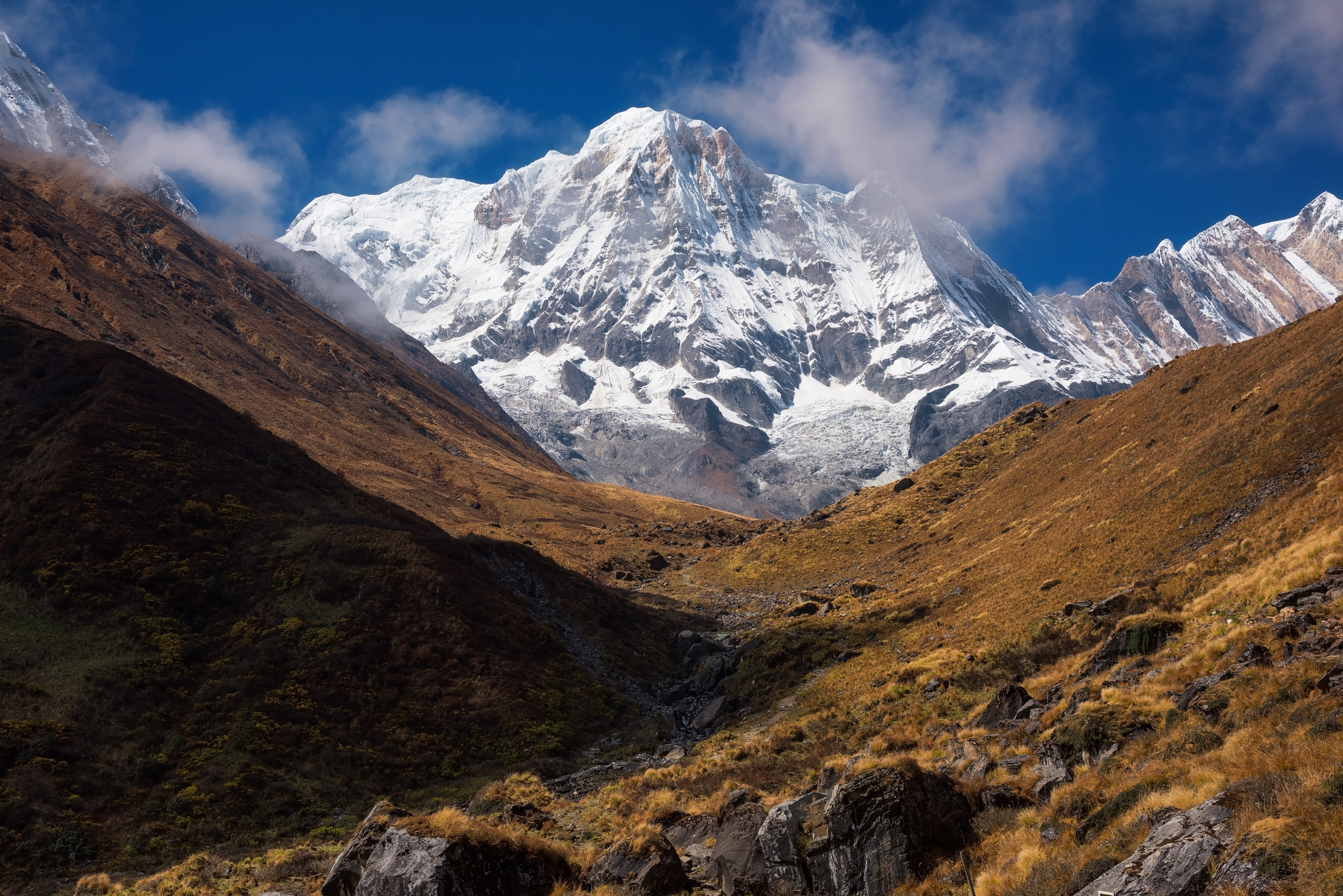
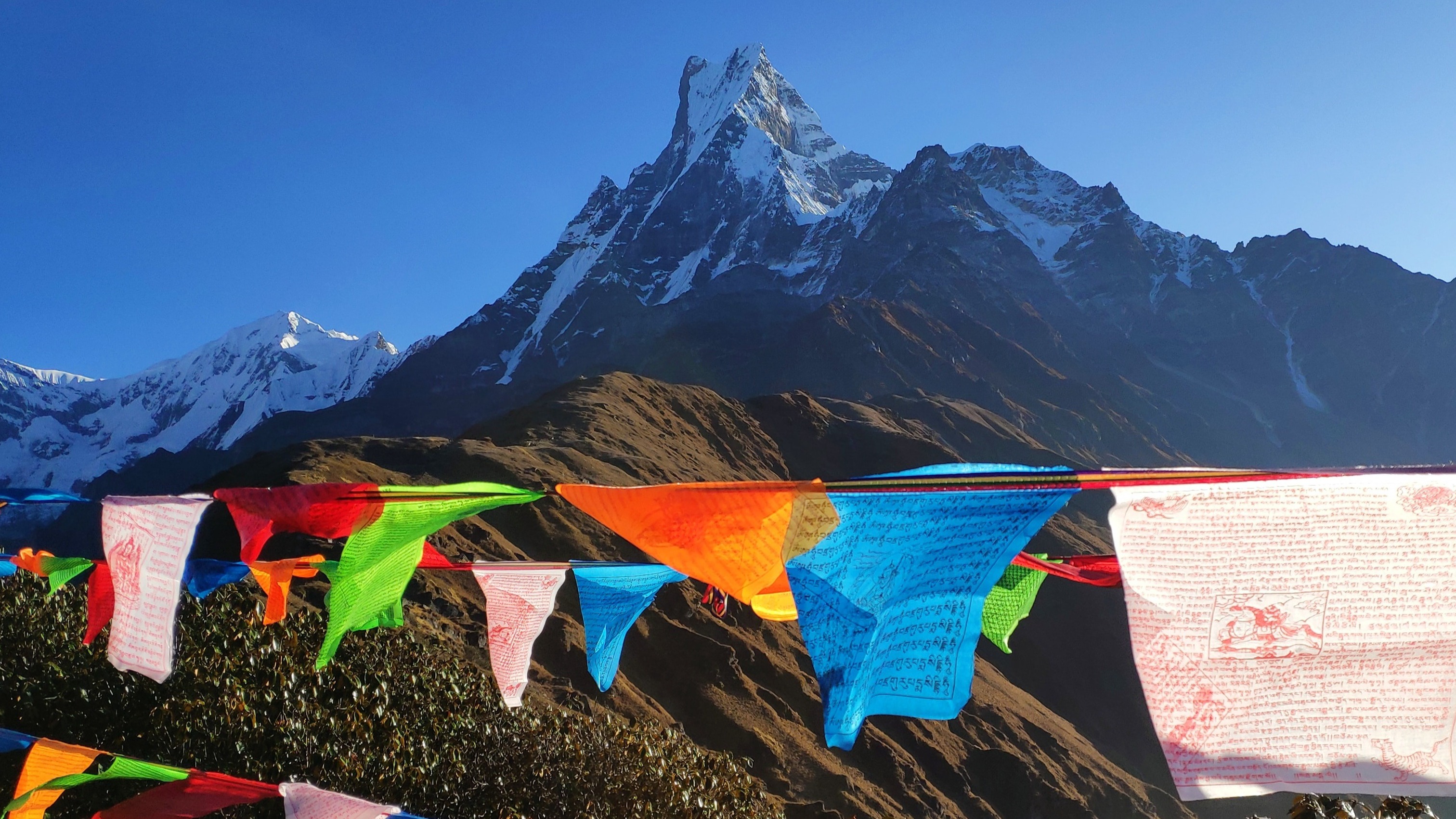
Mt Annapurna I (8,091 m) viewed from Machapuchare Base Camp in Nepal.
Learn more: 10 tips for trekking the Annapurna Circuit
Summiting Annapurna: One of the world’s toughest climbs
When travellers hear “Annapurna climb,” many mistakenly think it refers to trekking the Annapurna Circuit. In reality, climbing Annapurna I, the main peak of the massif, is an entirely different adventure. Standing at 8,091 m (26,545 ft), it’s the 10th-highest mountain on Earth and one of the most dangerous to attempt. It's often described as a cruel mistress who offers an intense battle to her summit.
Annapurna’s reputation in mountaineering circles is scary. The mountain has long held one of the highest fatality rates of any 8,000er, largely due to avalanches, unstable weather, and its notoriously steep and technical south face. While Annapurna was the first of the world’s 8,000-metre giants to be climbed (by a French team in 1950), it remains one of the least attempted because of the risks.
Summiting requires:
- Elite-level mountaineering skills and extensive prior experience at high altitude.
- Months of physical and technical preparation.
- Large, carefully coordinated expedition teams.
- A commitment of six to eight weeks on the mountain.
Climbers typically attempt it in spring (April–May) or autumn (September–October), when weather conditions are at their most stable. Yet even in these windows, success is never guaranteed.
Annapurna is named after the Hindu goddess of food and nourishment, and the massif includes 13 peaks over 7,000 m as well as the mighty Annapurna I. Stunning and severe, this mountain leaves no room for underestimating its power.
This is where confusion often arises: while the Annapurna Circuit trek is a popular, non-technical hiking route designed for adventurous trekkers, summiting Annapurna I is an extreme mountaineering challenge that only a handful of climbers attempt each year.
In short, the major difference is:
- Annapurna Circuit = a challenging, high-altitude trekking route open to fit hikers.
- Annapurna I summit = one of the toughest and deadliest climbs in the world, suitable only for elite alpinists.
Understanding this difference is really important before you plan your trip to the Annapurna region.
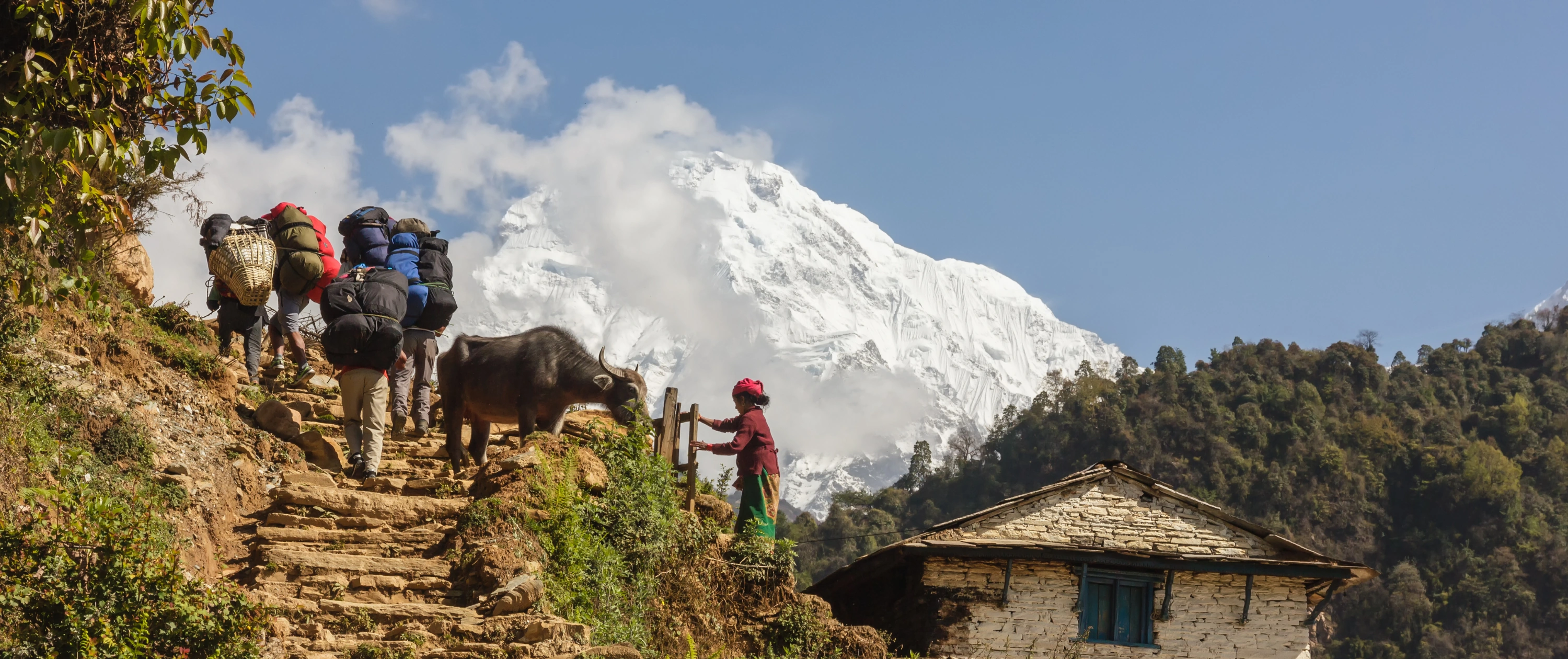
Trekkers making their way along the Annapurna Circuit, surrounded by towering Himalayan peaks and traditional Nepali villages.
Learn more: Annapurna circuit length: Distance, duration & what to expect
How hard is the Annapurna Circuit trek?
The Annapurna Circuit remains one of Nepal's most iconic and diverse trekking routes. In 2025, it continues to attract trekkers with its blend of challenging terrain, high-altitude passages, and rich cultural experiences. While the trek is non-technical, it demands physical endurance, mental resilience, and thorough preparation. Let's have a look at what this trek is about:
1. Annapurna Circuit length and duration
The Annapurna Circuit is a multi-day journey that tests both stamina and perseverance, winding through a variety of landscapes from lush valleys to high alpine terrain. Understanding the trek’s distance and timeframe is key to preparing effectively:
- Distance: The full route covers approximately 160–230 km (100–145 miles), depending on your chosen start and finish points, as well as optional side treks to places like Annapurna Base Camp or Tilicho Lake.
- Duration: Most trekkers complete the circuit in 13–18 days, allowing for necessary acclimatisation stops and a comfortable daily pace that balances challenge with safety.
This combination of distance and duration makes the trek a substantial undertaking, rewarding those who plan carefully and pace themselves wisely.
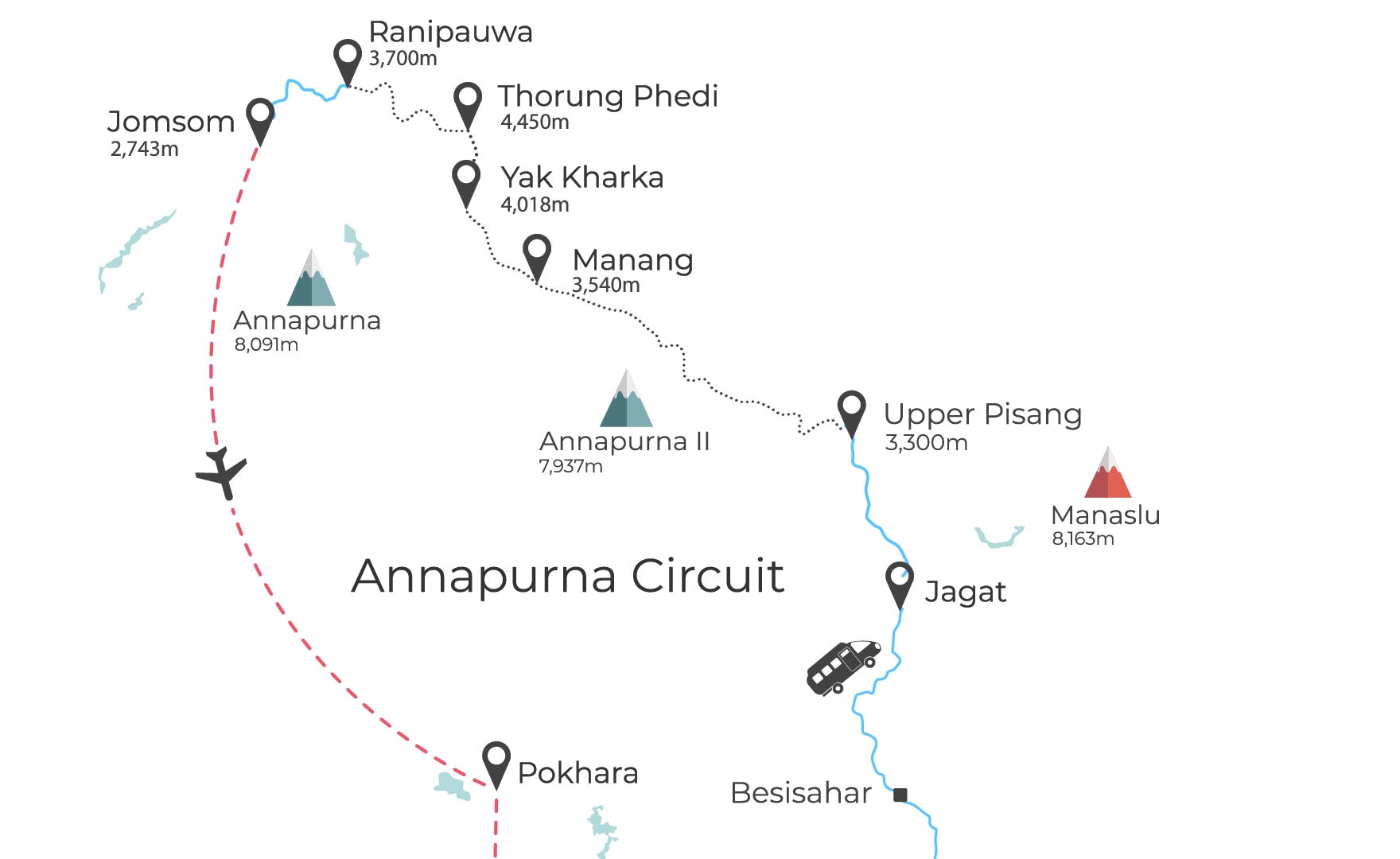
Map of the Annapurna Circuit, showing key trekking routes and high passes along the trail.
{{leadmagnet-one}}
2. Altitude and terrain
One of the defining challenges of the Annapurna Circuit is the dramatic change in altitude and landscape, which tests both physical endurance and mental resilience. Trekkers move through a variety of ecological zones, each with its own demands and rewards:
- Highest point: The trek reaches its peak at Thorong La Pass (5,416 m / 17,769 ft), where the air is thin and every step requires extra effort.
- Altitude considerations: Hikers ascend through elevations ranging from 1,000 meters to over 5,000 meters, with several nights spent above 3,500 meters. Proper acclimatisation is important to reduce the risk of altitude sickness.
- Terrain: The circuit winds through subtropical forests, alpine meadows, rocky trails, and high-altitude deserts. Steep ascents and descents are particularly challenging near Thorong La Pass, testing stamina, balance, and careful pacing.
This combination of altitude and varied terrain is what makes the Annapurna Circuit both demanding and profoundly rewarding, offering ever-changing landscapes and breathtaking views at every stage of the trek.

High altitude village of Yak Kharka on the Annapurna Circuit Trek in Nepal.
Check out a Follow Alice group experiencing the Annapurna Circuit firsthand:
3. Physical and mental challenges
The Annapurna Circuit is as much a test of endurance and mindset as it is a scenic journey. Trekkers face sustained physical effort alongside changing conditions that require focus, adaptability, and perseverance:
- Physical requirements: Although the trek involves no technical climbing, it demands good cardiovascular fitness, leg strength, and stamina. Most days involve five to eight hours of walking, often on steep or uneven terrain, so daily conditioning is essential.
- Mental resilience: Beyond physical exertion, hikers must navigate long days, unpredictable weather, and high-altitude environments, which can be mentally taxing. Maintaining focus, pacing yourself, and staying motivated are critical for a successful and safe trek.
By preparing both body and mind, trekkers can handle the Circuit’s challenges while fully appreciating the incredible landscapes and cultural experiences along the way.
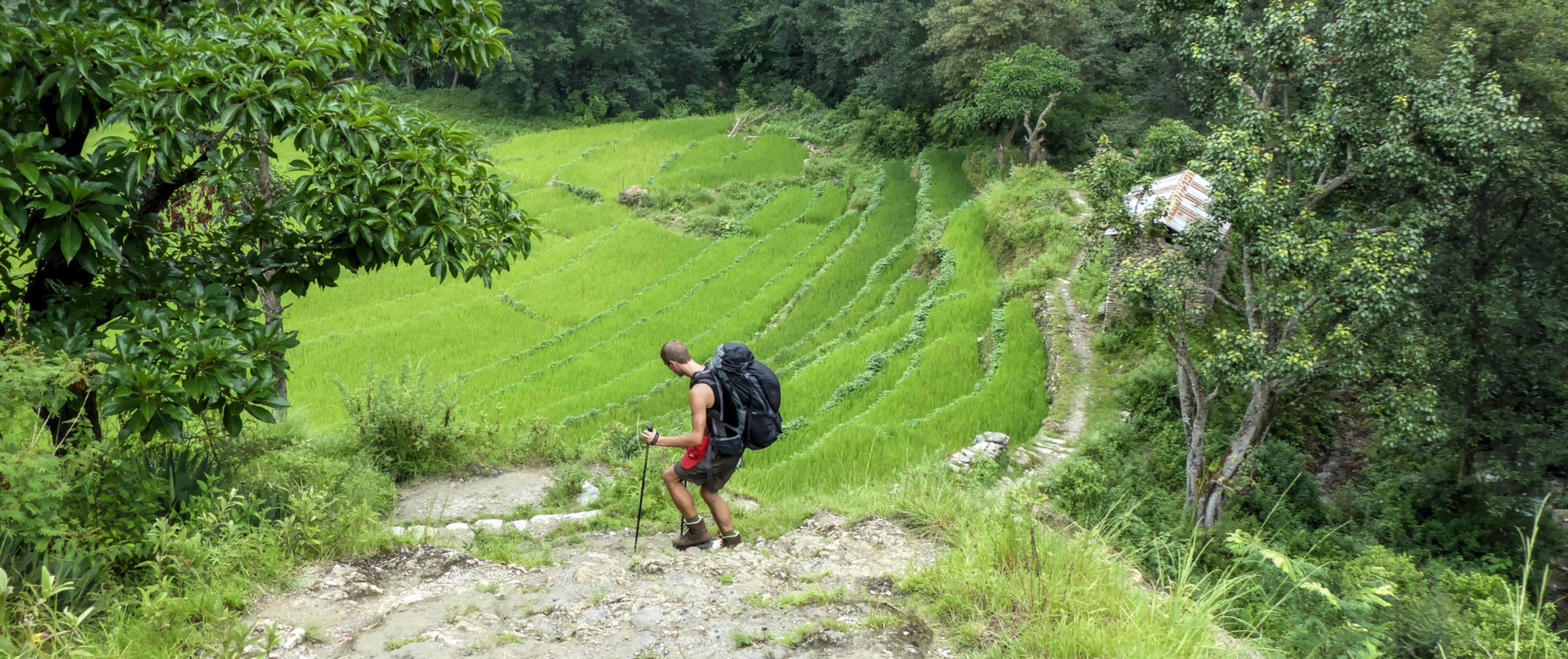
Trekker walking down lush terraces on the Annapurna Circuit.
Learn more: How should I train for the Annapurna Circuit?
4. Weather and best seasons
Weather plays a crucial role in the Annapurna Circuit, influencing both safety and the overall trekking experience. Knowing when to go can make a significant difference in comfort, visibility, and risk:
- Best seasons: Spring (March–May) and Autumn (September–November) are ideal for trekking. During these periods, trekkers enjoy stable weather, clear skies, and moderate temperatures, which provide optimal conditions for hiking and photography.
- Winter challenges: Winter (December–February) can be harsh, with snow-covered trails, icy paths, and potential route closures at high altitudes. Trekkers attempting the circuit in winter need experience, proper gear, and readiness for cold, unpredictable conditions.
Timing your trek thoughtfully ensures that you can focus on the journey and the scenery rather than battling bad weather conditions.
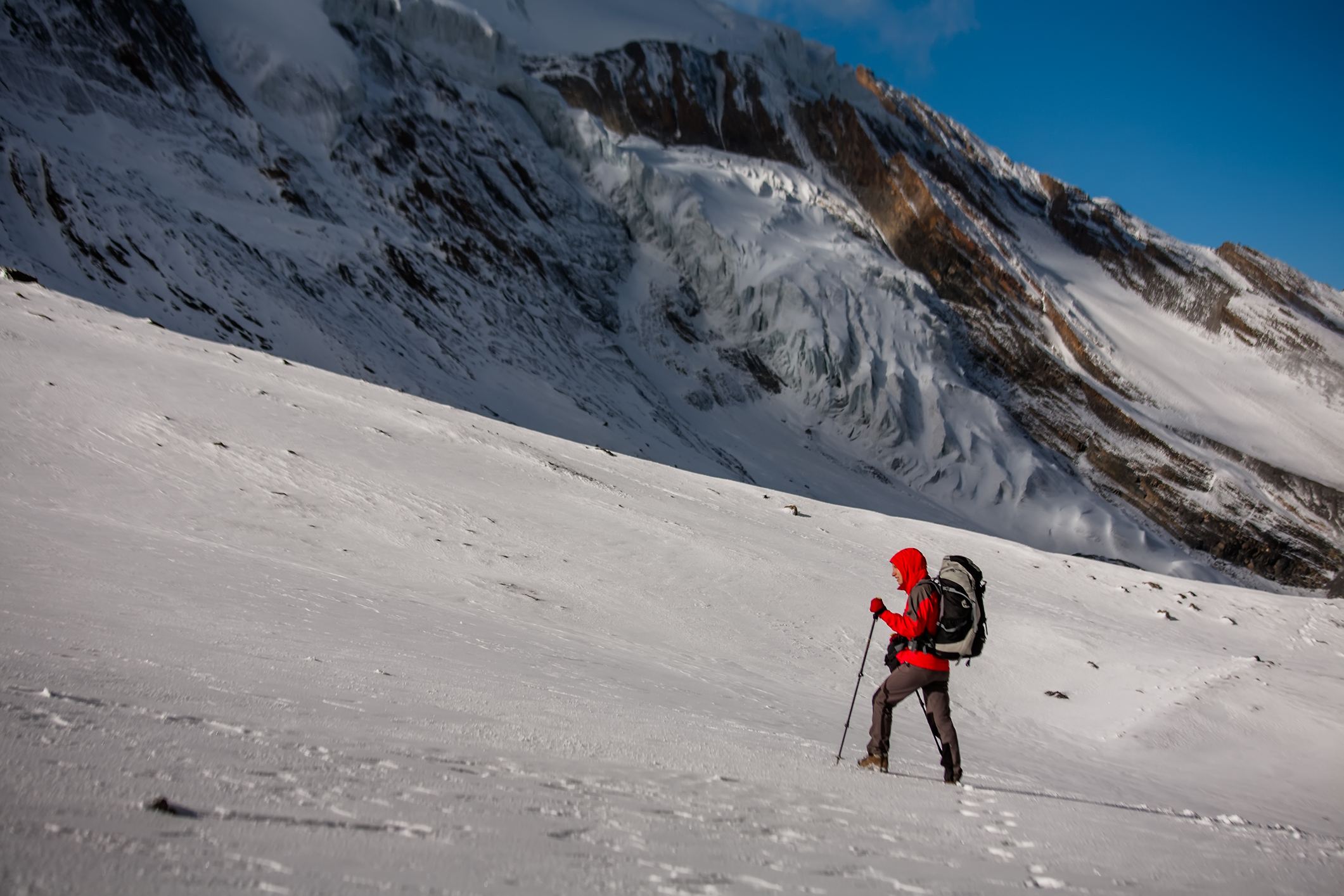
Annapurna Circuit trekker walking in snow near Thorung La pass, Nepal.
5. Accessibility and permits
Understanding the regulations and access requirements of the Annapurna Circuit is essential for planning a safe and hassle-free trek. Permits and local rules are designed to protect both trekkers and the fragile Himalayan environment:
- Solo trekking: Since April 2023, solo trekking on the Annapurna Circuit has been prohibited. All trekkers are required to hire a licensed guide, ensuring safety, compliance with regulations, and local support throughout the journey.
- Permits required: Every trekker must obtain an Annapurna Conservation Area Permit (ACAP) and a Trekkers’ Information Management System (TIMS) card. These documents regulate access to the protected area and help maintain the region’s environmental and cultural integrity.
By adhering to these rules and arranging the necessary permits in advance, trekkers can focus on the adventure itself while supporting responsible tourism in the Annapurna region.
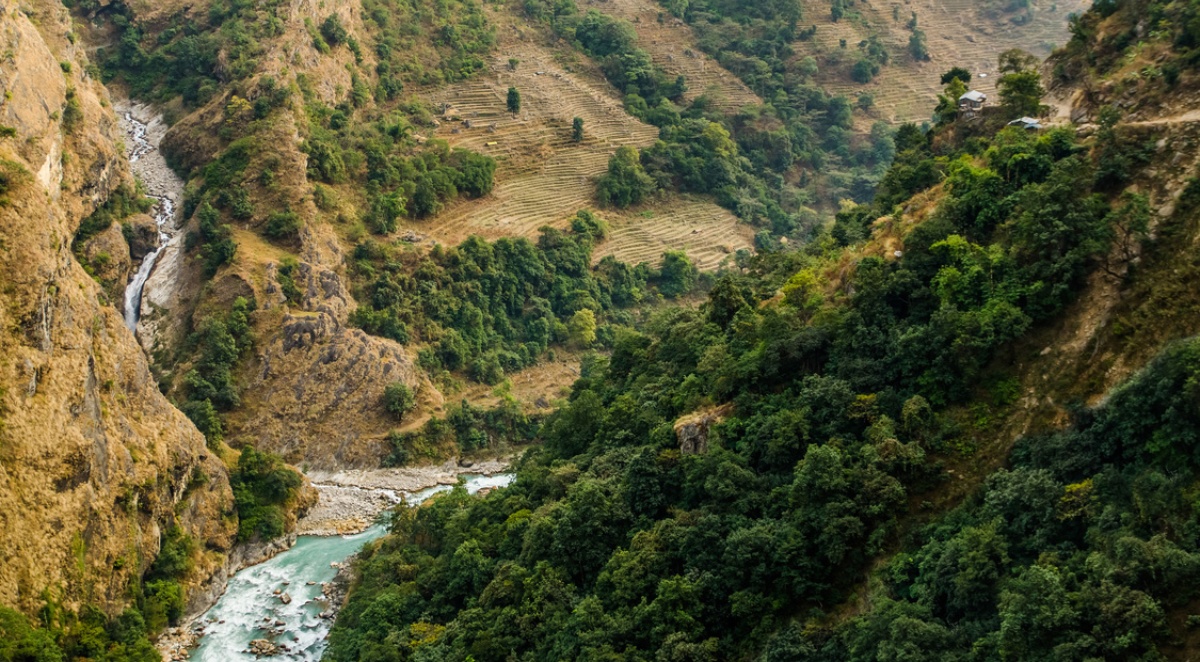
Marsyangdi River near Jagat in the Annapurna conservation area in Nepal.
Learn more: Trek guides are now compulsory in Nepal
Annapurna Circuit difficulty
As mentioned throughout this blog, trekking the Annapurna Circuit is an unforgettable adventure, but it’s not without its tests. Even experienced hikers find certain sections demanding, and understanding the main challenges beforehand can make the difference between a gruelling slog and a triumphant journey. Here’s what makes the Annapurna Circuit both challenging and rewarding:
1. Altitude
The biggest hurdle for most trekkers is altitude. Thorong La Pass, the highest point on the circuit at 5,416 meters (17,769 feet), towers far above peaks like Mont Blanc and even some camps on Kilimanjaro. At this elevation, oxygen levels are roughly half of what you breathe at sea level, putting a strain on your body and cardiovascular system. Altitude sickness can affect anyone, regardless of age or fitness, causing headaches, nausea, and fatigue. Proper acclimatisation is important, which is why rest days in villages like Manang or Pisang are important before attempting the pass.
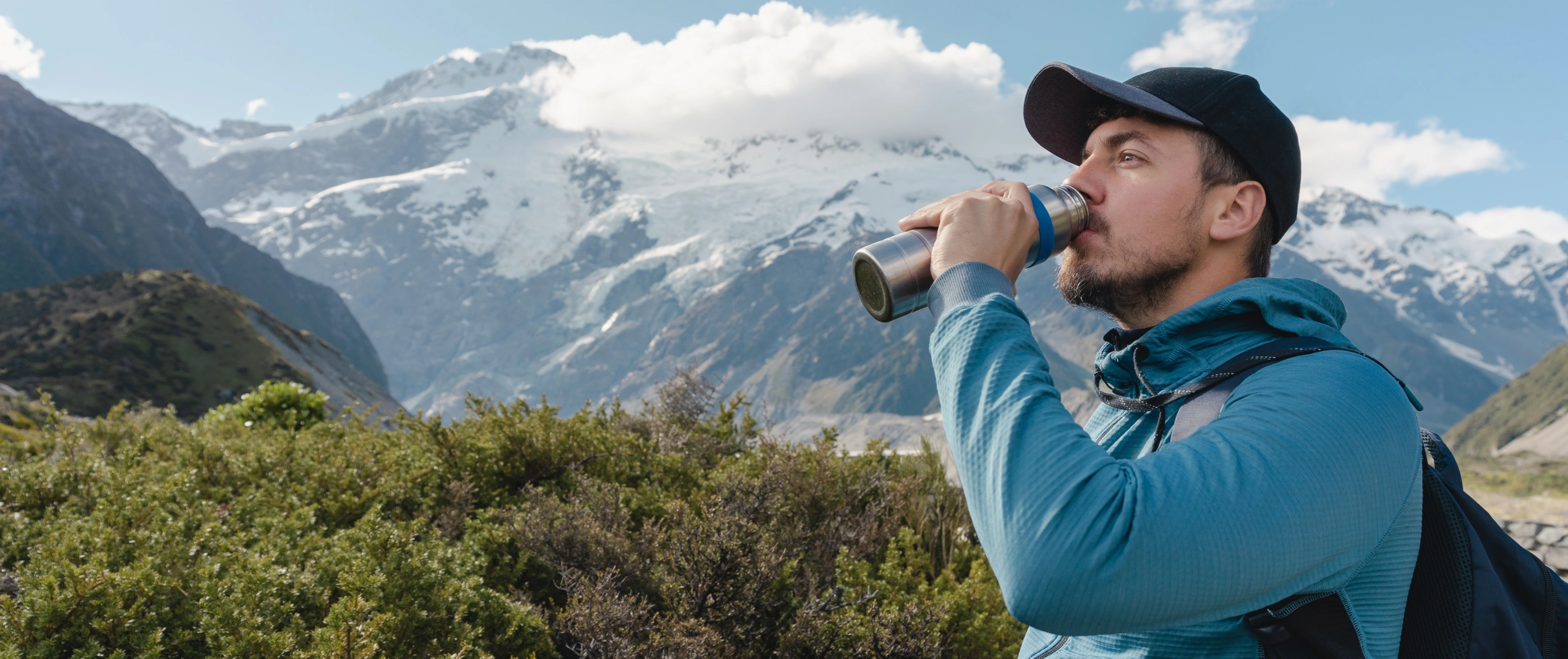
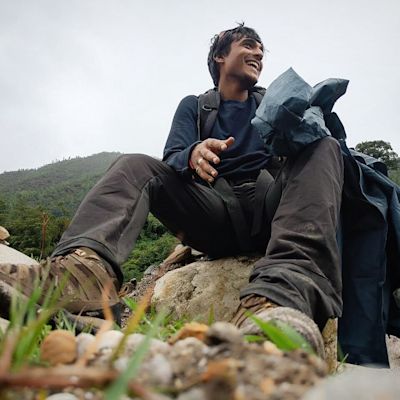
Trekker carefully paced himself to acclimatise to the high-altitude conditions.
2. Basic facilities
The Annapurna Circuit is well-travelled, but it’s still a remote high-altitude trek, and facilities reflect that. Teahouses provide meals and lodging, but comfort is simple, think shared rooms, basic bedding, and local cuisine. Hot showers, electricity, and Wi-Fi are limited the higher you go, and trekkers need to be mentally prepared for rustic accommodations. Planning for supplies and personal comfort items can make the experience more manageable.

A trekker relaxing at a teahouse along the Annapurna Circuit.
3. Cultural and social encounters
One of the most rewarding aspects of the Annapurna Circuit is the opportunity to immerse yourself in local culture. Trekkers pass through villages inhabited by Thakali, Gurung, and other communities, each with their own traditions, languages, and ways of life. Sharing meals at teahouses, observing local festivals, and visiting monasteries provide a deeper understanding of the region beyond the mountains. Respecting local customs, removing shoes in homes, dressing modestly, and asking permission before photographing people is essential. While language can be a barrier, a smile and basic Nepali phrases go a long way in fostering connection and goodwill.

Teahouses high up in the alpine desert of the Annapurna Circuit in Nepal.
4. Safety and health considerations
Trekking at high altitude presents inherent risks that require careful preparation. Acute Mountain Sickness (AMS) is the most common concern; symptoms can appear at elevations above 3,000 meters. Proper acclimatisation, hydration, and pacing are vital. Emergency response options are limited in remote areas, so carrying a first-aid kit, a means of communication, and travel insurance is highly recommended. Trekkers should also be aware of weather hazards, slippery trails, and occasional landslides, and follow their guides’ advice to minimise risks.

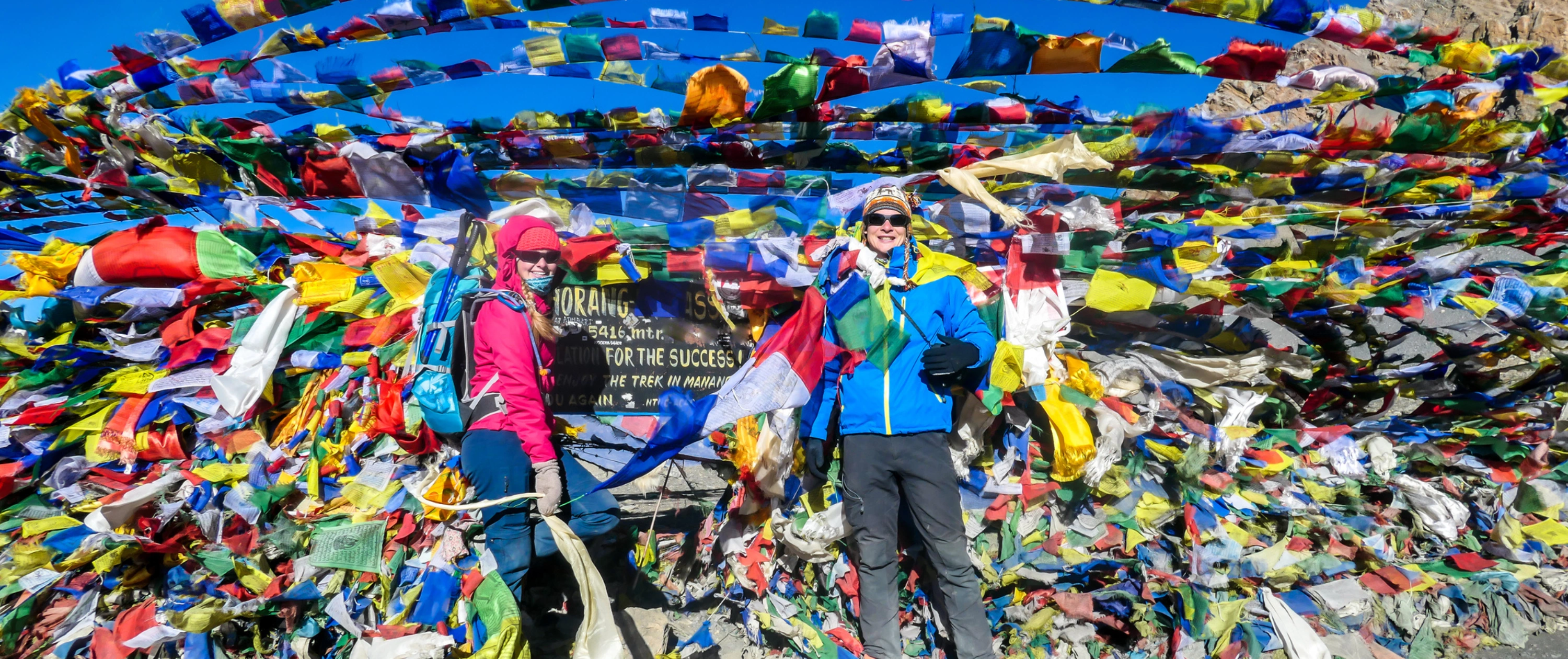
Trekker at the Thorung La pass, the highest point of the Annapurna circuit in Nepal.
5. Logistics and planning
Most trekkers should hire licensed guides or porters like Follow Alice, both for safety and to support the local economy. Planning your gear is equally important: layered clothing for variable temperatures, sturdy boots for rocky paths, and a reliable backpack can make a significant difference. Organising accommodation, daily provisions, and contingency plans ensures a smoother and more enjoyable journey through this remarkable region.
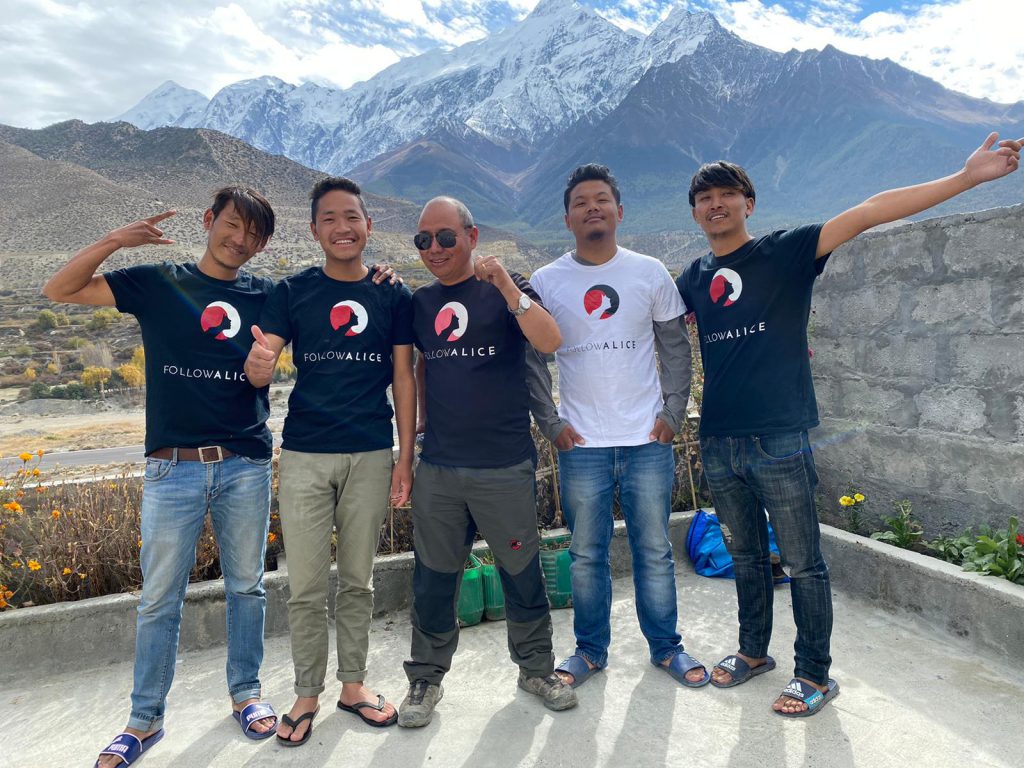
Follow Alice trek guide team posing together during a Nepal trekking expedition.
Learn more: Annapurna Circuit vs Everest Base Camp
Is the Annapurna Circuit dangerous?
For anyone planning the trek, understanding the risks is important. While it’s much safer than climbing Annapurna I, the circuit still has challenges that need preparation and care. The Annapurna Circuit is one of Nepal’s most iconic trekking routes, offering stunning landscapes, cultural experiences, and the excitement of high-altitude adventure.
While it’s accessible to fit trekkers, it presents several challenges that require preparation and awareness. The trek covers 160–230 km (100–145 miles) over 12–18 days, with daily walking often ranging from five to eight hours. The terrain varies dramatically, from lush subtropical forests and fertile valleys to rocky paths, high-altitude deserts, and steep ascents and descents, including the long drop after Thorong La Pass.
Human factors play a role as well. Fatigue, poor decision-making, or trekking without proper gear can turn manageable challenges into serious risks. Facilities along the route are basic: teahouses provide meals and lodging, but comfort is limited, and hot showers, electricity, and Wi-Fi become scarce at higher altitudes.
Despite these challenges, the Annapurna Circuit is safe and highly rewarding if trekkers prepare carefully. Key steps include building fitness beforehand, planning acclimatisation days, trekking in the right season, hiring guides or porters for local support, packing appropriate layers and gear, and ensuring travel insurance covers high-altitude trekking and emergency evacuation. With preparation, caution, and respect for the mountains, the Annapurna Circuit offers an unforgettable journey through some of the most breathtaking landscapes in the Himalayas.
Before investing time and money in travelling to Nepal, potential trekkers naturally want to know: Is the Annapurna Circuit hard? The answer is yes, it’s challenging, but not too difficult. It’s a trek anyone with reasonable fitness can tackle and hope to complete. What makes it hard is not only the steep climbs and long distances, but also the altitude and, for some, the pared-down amenities.
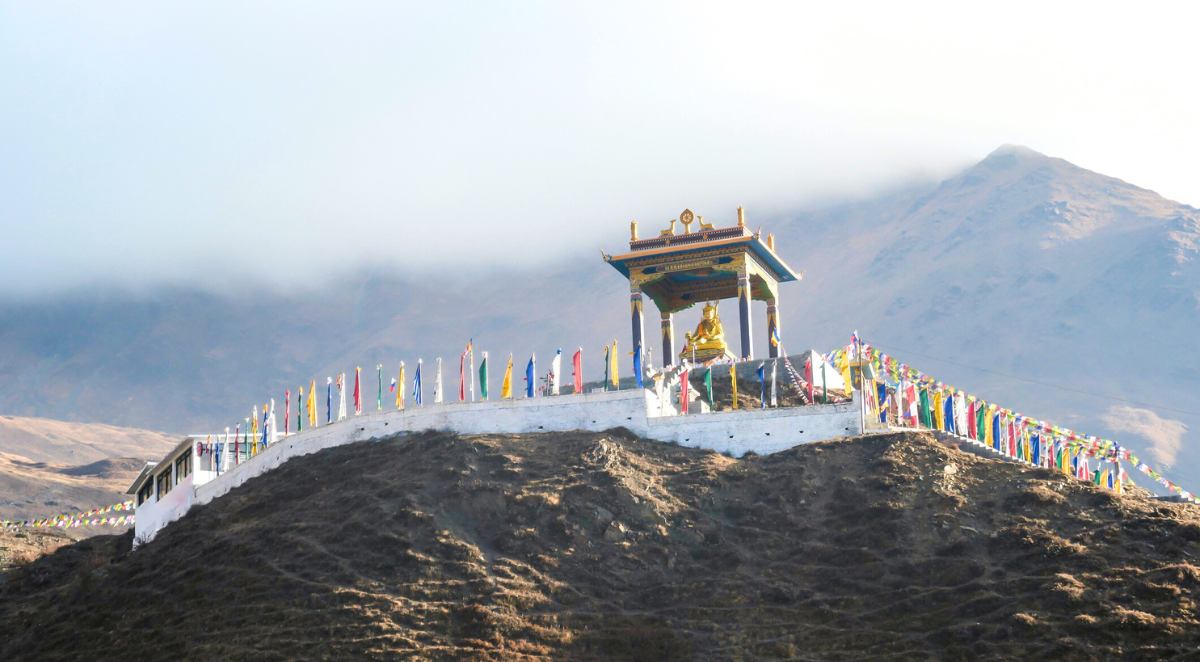
A Buddhist temple located on a steep slope in Muktinath, along the Annapurna Circuit Trek in Nepal.
Learn more: Your complete Annapurna Circuit packing list
Plan your Annapurna Circuit trek
The Annapurna Circuit is indeed the golden child of Nepal, offering a blend of high-altitude adventure, cultural experiences, and beautiful scenery. While it presents challenges ranging from long distances and steep terrain to high-altitude conditions and variable weather, it is entirely achievable for trekkers who prepare physically, mentally, and logistically. Understanding the trek’s difficulty, respecting altitude limits, and planning for proper acclimatisation are key to turning this demanding journey into a safe and unforgettable experience.
Beyond the physical and mental rewards, the Annapurna Circuit immerses you in a rich tapestry of Himalayan villages, dramatic valleys, and alpine landscapes. Every step offers a chance to witness local culture, meet friendly communities, and experience the serenity and grandeur of Nepal’s mountains. If you’re drawn by the challenge or the scenery, the trek leaves a lasting impression that goes far beyond the summit.
At Follow Alice, we make planning your Annapurna adventure stress-free. We have a curated list of itineraries tailored for different fitness levels, timeframes, and experience preferences, ensuring you get the most out of your trek without the stress of logistics. Explore our Annapurna Circuit itineraries today and start planning the journey of a lifetime. If you are still unsure, feel free to book a call with our team, and they will be happy to help.